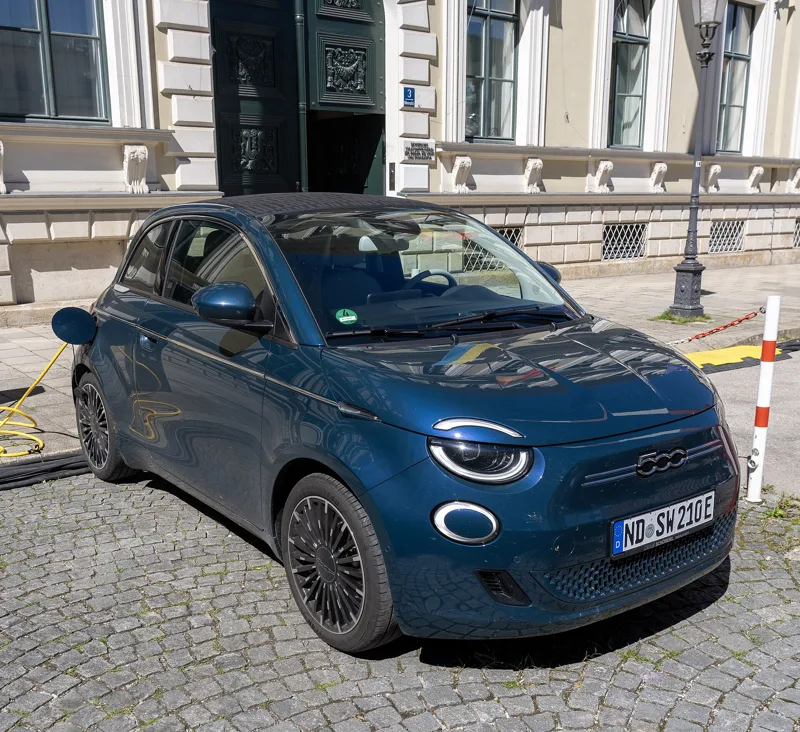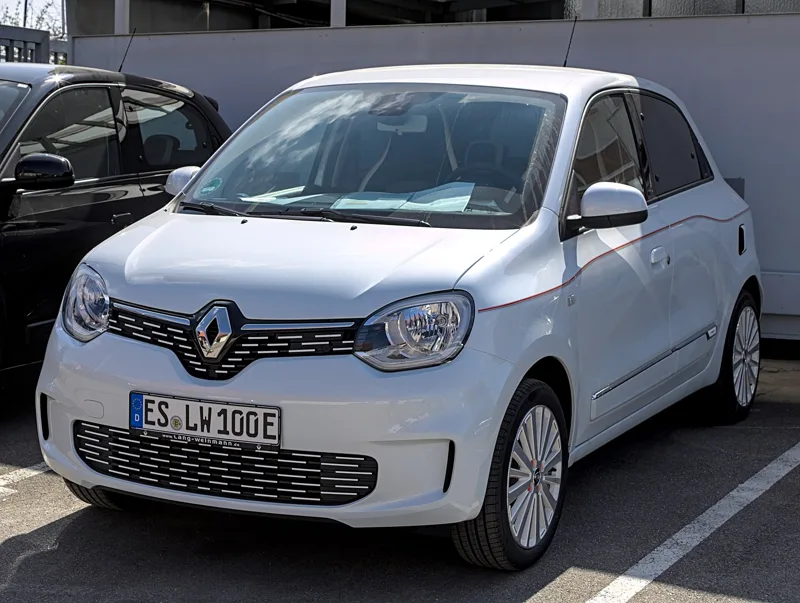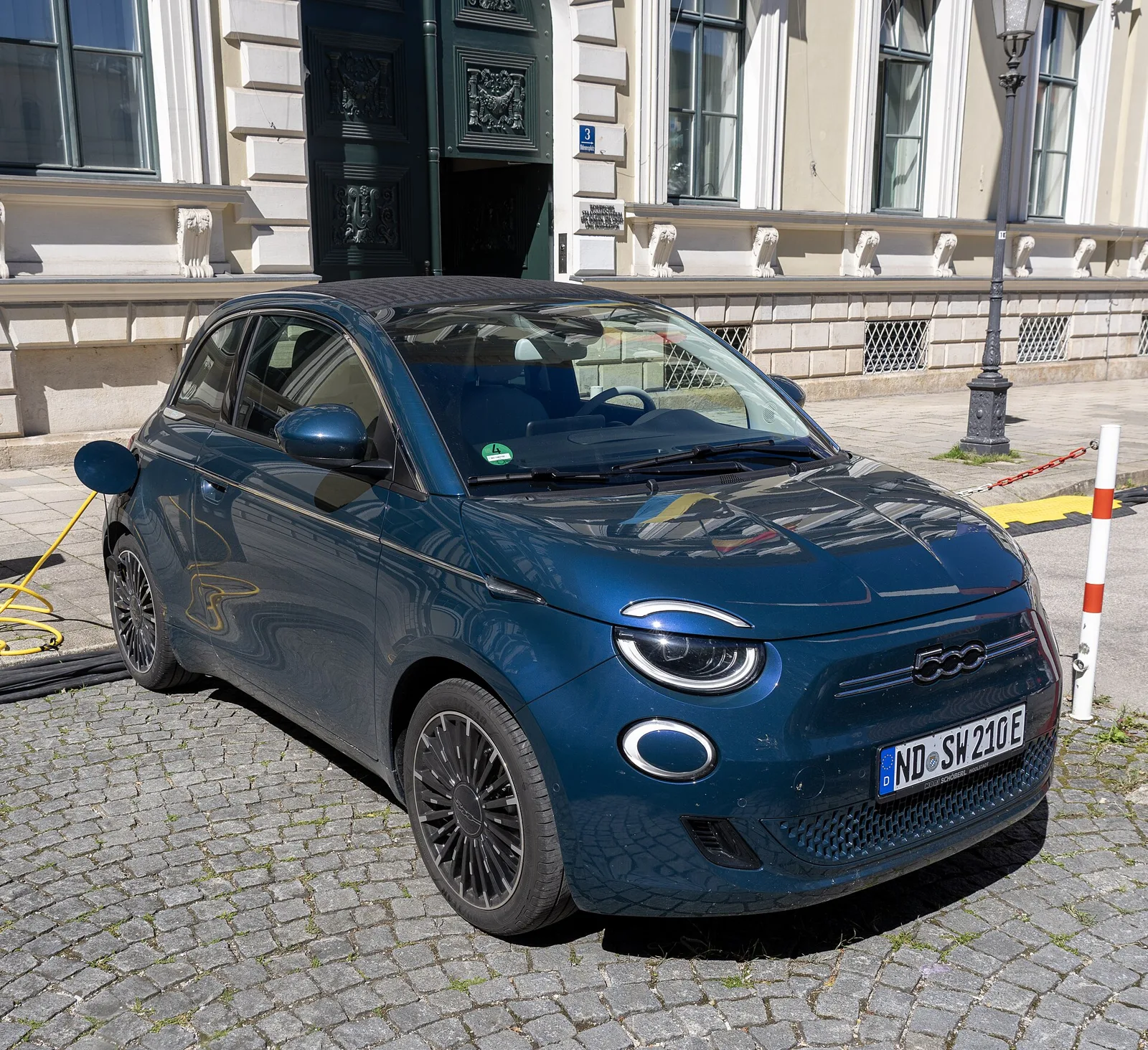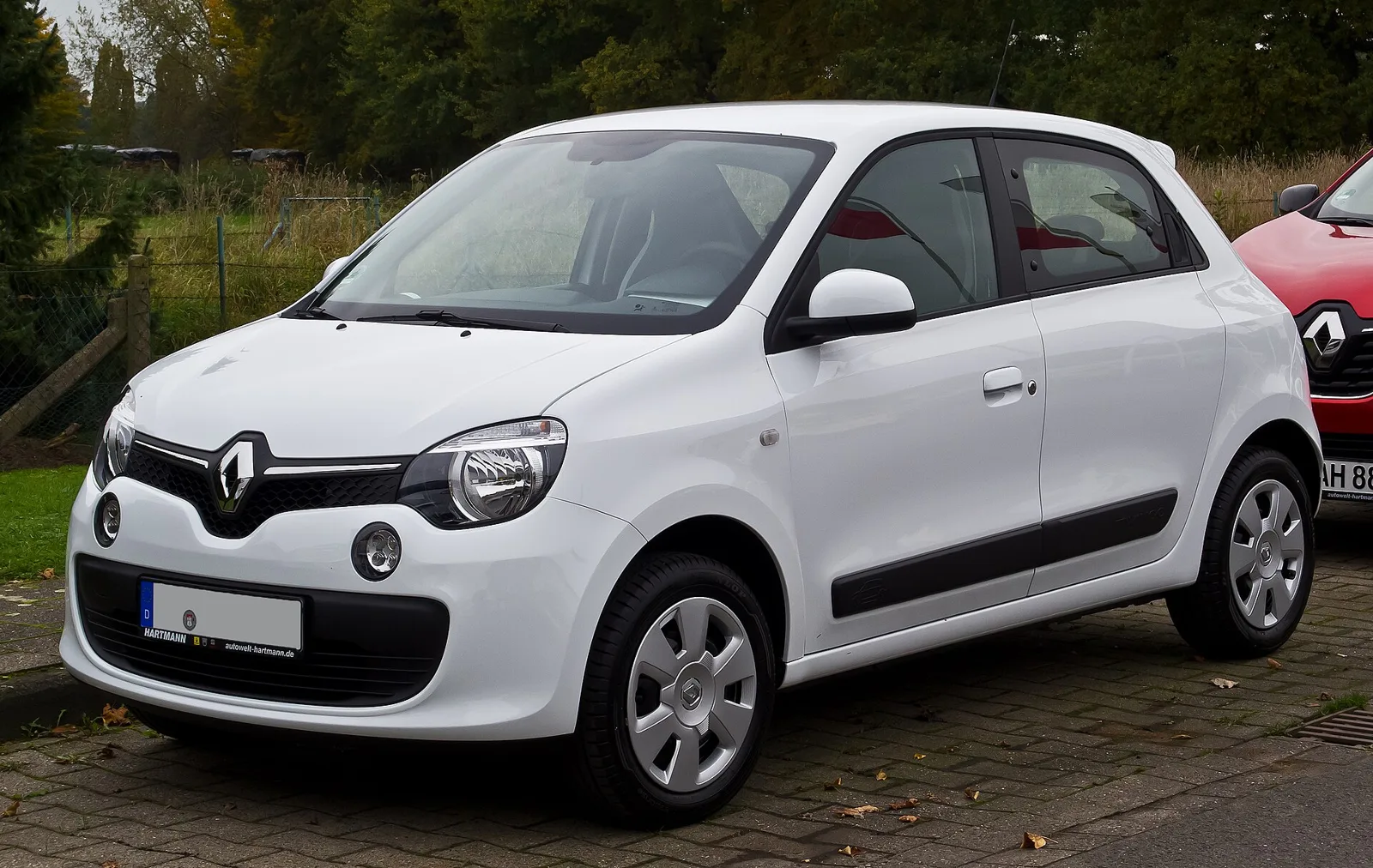
The Renault Twingo and the Fiat 500e both set out to make city driving easier, but they reached that goal from opposite ends of the car, one with a rear engine and one with a battery pack and a retro shape.
The Renault Twingo and Fiat 500e are compact city cars with different architectures. The Abarth 500e offers the quickest sprint in this comparison, while the Twingo's rear engine favours its turning circle and manoeuvrability in town, and the electric published figures all belong to the Fiat.
The Renault Twingo and the Fiat 500e both aim at the same crowded urban market, but they arrive there by different routes. The Twingo's third generation put its engine at the back on a platform shared with Smart, while the 500e is a battery-electric car that keeps the shape of Fiat's best-known city car. The Twingo Electric's own battery figures sit outside this comparison, so the weighing rests on what is published here.
Were the Twingo and 500e rivals?
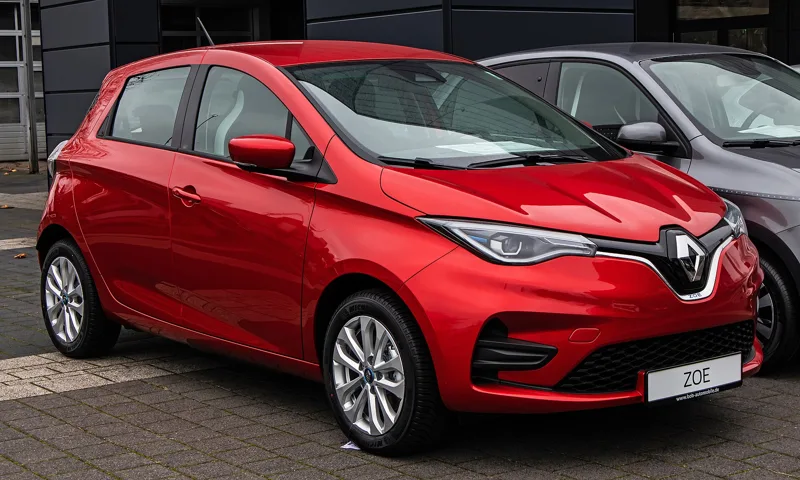
They were. The 500e is listed as a rival of the electric Renault Twingo, along with the Renault Zoe, the Mini Electric, the Peugeot e-208 and the BMW i3, all of which compete for the same city buyers.
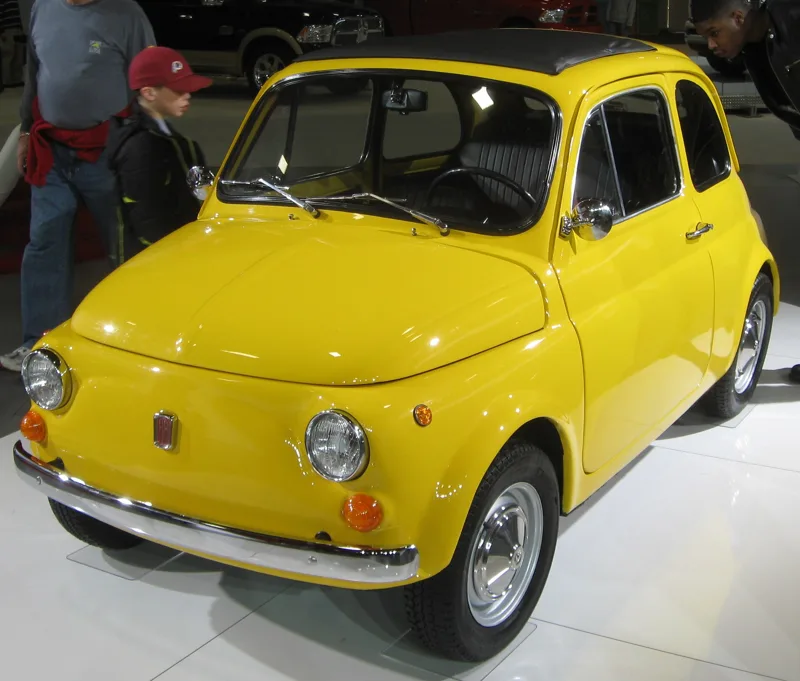
Both cars trade on charm as much as on engineering. The Twingo's front is a smile that dates back to the first car, and the 500e carries its shape forward from Fiat's original city car.
A rear-engined city car with a smile on one side, a retro Fiat with an electric heart on the other.
How did the Twingo come to be?
Renault built the Twingo for three generations between 1992 and 2024. The first car was shown at the Paris Motor Show in October 1992, and its formal sale in continental Europe began in April 1993.
The third generation debuted at the 2014 Geneva Motor Show, and its launch in Europe followed in September 2014. The line stopped in summer 2024, and the all-electric Twingo E-Tech took its place.
How did the Twingo's platform work?
In March 2010 Renault and Daimler announced Project Edison, a shared platform for small city cars. Edison was built to accept a combustion engine or an electric motor as its main drive.
The first models to use Edison were the third-generation Twingo and the Smart Forfour. The two firms shared the research costs equally, with Renault specialising in engines and Daimler in transmissions.
Specifications side by side
| Specification | Renault Twingo (third generation) | Fiat 500e |
|---|---|---|
| Launch | Geneva Motor Show, March 2014; European launch September 2014 | Milan, 4 March 2020 |
| Layout | Five doors, engine mounted behind the seats, rear wheels driven | Battery-electric city car; mild-hybrid variant also offered |
| Power | Three-cylinder petrol: 0.9-litre turbo or 1-litre atmospheric | 87 kW (117 hp) electric motor in most versions |
| Battery and range | Electric figures outside this comparison | 42 kWh battery; 320 km WLTP combined range |
| Turning circle | 8.6 m | Not part of this comparison |
| Built at | Novo Mesto, Slovenia | Mirafiori, Turin |
| Hot version | GT with TCe 110 petrol from November 2016 | Abarth 500e, 113.7 kW (152.5 hp) |
Which car was quicker?
On the figures in this comparison the Abarth 500e is the quickest car, reaching 100 km/h in 7 seconds. Its motor delivers 152.5 hp (113.7 kW) and 235 N m, both above the standard car.
The Twingo's quickest version here is the GT, which uses the TCe 110 petrol engine. No sprint time for that version is published, so the two cars cannot be ranked on acceleration in the same way.
How did the Abarth 500e get its extra performance?
Better inverter and battery wiring, plus a shorter final-drive ratio, gave the Abarth its extra power and torque. Its rear drum brakes were swapped for discs.
Drivers choose between Turismo, Scorpion Street and Scorpion Track. Turismo caps output at 130 hp (100 kW) and 220 N m. Scorpion Street leans hardest on regenerative braking to mimic the engine braking of a manual car, and Scorpion Track gives up range for performance.
How heavy and how far can the Abarth go?
The Abarth 500e weighs 1,410 kg (3,110 lb) with its 295 kg (650 lb) battery. Its pack holds 42.2 kWh gross, or 37.3 kWh net, which gives a claimed WLTP range of 264 km (164 mi) on the standard 17-inch wheels.
The 18-inch wheels trim that claim to 253 km (157 mi). Real-world mixed driving on the larger wheels managed about 212 km (132 mi), at 3.4 miles per kWh.
How far can the standard 500e travel?
On the European WLTP combined cycle the standard 500e has a 320 km (199 mi) range, rising to 400 km (249 mi) on the urban part of that test. The urban figure is the one that generally favours electric cars.
Most versions use an 87 kW (117 hp) motor fed by a 42 kWh lithium-ion battery. The entry-level Action in the UK made do with a smaller motor and a 24 kWh battery, charging at up to 50 kW.
How did the 500e come to market?
The third-generation 500e, also called the 500 elettrica and carried under project 332, is the third generation of Fiat's 500 city cars. It followed the original 500 of 1957 to 1975 and the second-generation 500 of 2007.
The car was due to be shown at Geneva, but that event was cancelled because of the COVID-19 pandemic. It was launched in Milan on 4 March 2020, after production had started at Mirafiori on 18 February 2020.
How big is the 500e compared with its predecessor?
The 500e uses a fresh platform and is a little larger than the car it replaces. It is 60 mm (2.4 in) longer, 60 mm (2.4 in) wider and 40 mm (1.6 in) taller, with a wheelbase 20 mm (0.79 in) longer.
The second-generation 500 remained in production until 2024 with combustion or mild-hybrid power, and the 500 Ibrida later used a mild-hybrid version of the third-generation car at Mirafiori.
How did the Twingo's size and handling compare?
The third-generation Twingo was about 10 mm shorter than the second-generation car. Its rear engine improved manoeuvrability and cabin space, but cut boot capacity. It used MacPherson struts at the front and a De Dion tube at the rear.
Its steering reached a 45 degree angle, giving an 8.6 m turning circle that suits tight town manoeuvres. Its brakes were ventilated discs at the front and drums at the rear.
How did the Twingo and 500e perform on trim and equipment?
The Twingo III launched with four trims, Expression, Play, Dynamique and Dynamique S, plus a range of packs. Its R&Go smartphone cradle and R-Link infotainment were optional features, and an Energy trim was later added.
The 500e's trims ran from the Action to La Prima. A three-door hatchback arrived in June 2020, and Fiat added a four-door 3+1 hatchback in October that year. The La Prima was the top model, at 30,495 pounds in the UK.
How did the 500e's prices and special editions compare?
The La Prima launch edition was priced at 37,900 euros in Italy before any incentives, and it was limited to 500 examples per country. In the UK, the Action three-door cost 22,995 pounds, the Passion and Icon cost 26,495 and 27,995 pounds with the 42 kWh battery.
Fiat also offered one-off models styled by Armani, Bvlgari and Kartell, with proceeds going to environmental causes. The Abarth Scorpionissima was limited to 1,949 examples in acid green or poison blue.
How did the cars perform in the market?
By August 2022 the 500e had become Italy's top-selling electric car. Its sales were weaker elsewhere, and in the United States fewer than 500 were sold in 2024, the year it returned there.
The Twingo III was popular with UK reviewers, and TopGear Magazine named it City Car of the Year for 2014. UK sales were weaker, with only 877 sold in 2018, and Renault UK stopped marketing the right-hand-drive model after that.
What technology did each car offer?
The 500e claims the first level 2 autonomous driving for a city car, and it was the first FCA model with the UConnect 5 system. Its screen is 260 mm (10.25 in) across, with Android Auto and wireless Apple CarPlay.
The 500e's low-speed sound follows an EU requirement for electric cars to make noise for pedestrians. It plays the score from Amarcord, composed by Nino Rota, when cruising below 20 km/h (12 mph).
What did the 500e's North American launch involve?
Fiat showed three 500e concepts designed by Armani, Kartell and Bvlgari at the 2022 Los Angeles Auto Show in November. The North American car was expected to be unveiled at the 2023 show, and it was due on sale in the first quarter of 2024 as a 2024 model.
Stellantis skipped the 2023 Los Angeles show, and the car appeared online on 6 December instead. Production for North America began in February 2024 at Mirafiori, and a Product Red version became available to order in the US and parts of Canada.
Three further trims followed. Inspired By Music came only in black with a JBL Premium Audio system, Inspired By Beauty came only in rose gold, and Inspired By Los Angeles came in a blue-grey called Marine Layer Mist.
How did the 500e's production and sales fare?
Production of the 500e began on 18 February 2020, shortly after the new line at Mirafiori was completed. It was paused from 13 March 2020 during Italy's nationwide lockdown, and by August 2022 the car was the best-selling electric car in Italy.
Sales were weaker in Europe and especially in the United States, and Stellantis later paused production at Mirafiori. Fiat also widened the 500 family with the 600e, a five-door crossover unveiled on 4 July 2023 with styling inspired by the 500e.
In May 2025 Fiat showed the 500 Hybrid, a converted 500e fitted with a mild-hybrid 1.0 Firefly petrol engine and a six-speed manual. Production of that car started in November 2025.
How did Renault market the third-generation Twingo?
Renault gave Publicis the job of European advertising for the car, and the visual campaign was designed by the French artist duo Kuntzel+Deygas around the theme Go Anywhere, Go Everywhere. A strip-tweet event in February 2014 helped promote the car online before its launch.
A 2015 short music video, Show me a car, followed a twee woman searching for a nifty car, and it ended with a reference to the Papa and Nicole Clio adverts. It reached about 300,000 views in four weeks in the UK, and a pop-up store opened at the Cremerie de Paris in Paris.
Which car suits which buyer?
A buyer who wants a rear-engined, compact city car with a shared Smart heritage will look at the Twingo. Its rear layout gives the cabin room and manoeuvrability in town.
A buyer who wants an electric city car with the Fiat 500's shape, a choice of trims and a sporty Abarth variant will look at the 500e. Its range on the WLTP cycle and its performance versions give it a clear identity.
Buyers should note that the electric figures in this comparison all belong to the 500e. The Twingo Electric's own battery and range numbers are not covered here, so anyone choosing between the two should check the Renault's specifications before deciding.
Neither car is better on every count. The Twingo offers the turning circle and the rear-engined layout, while the 500e offers the electric range figures and the Abarth performance.