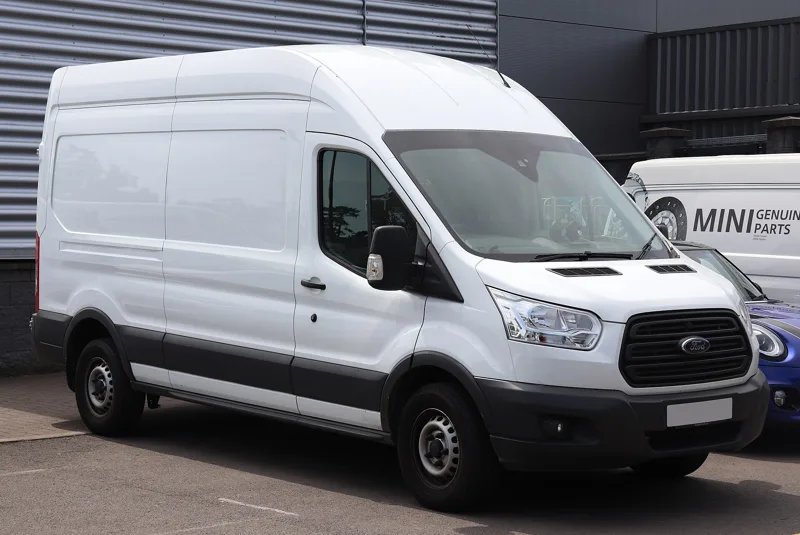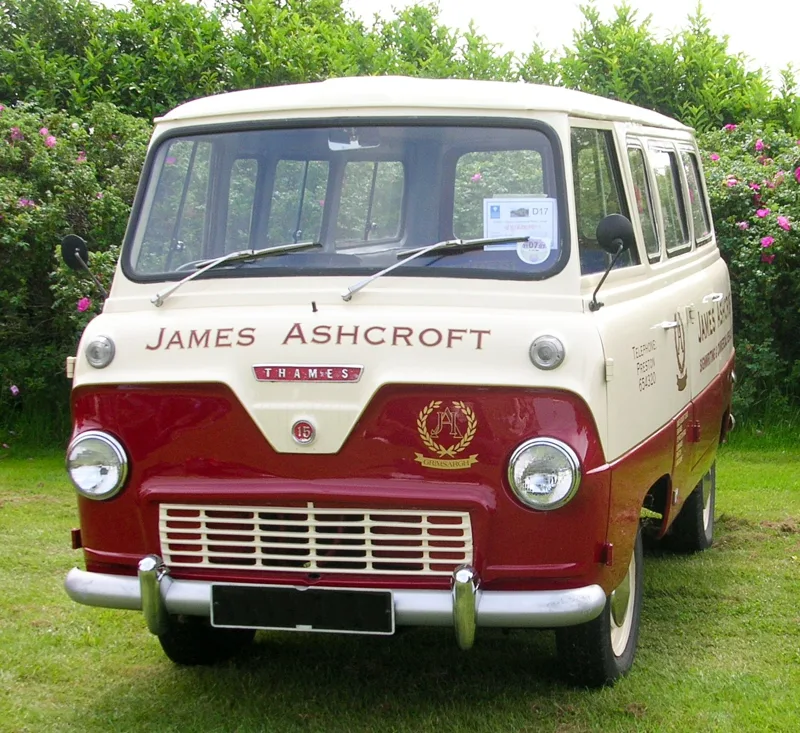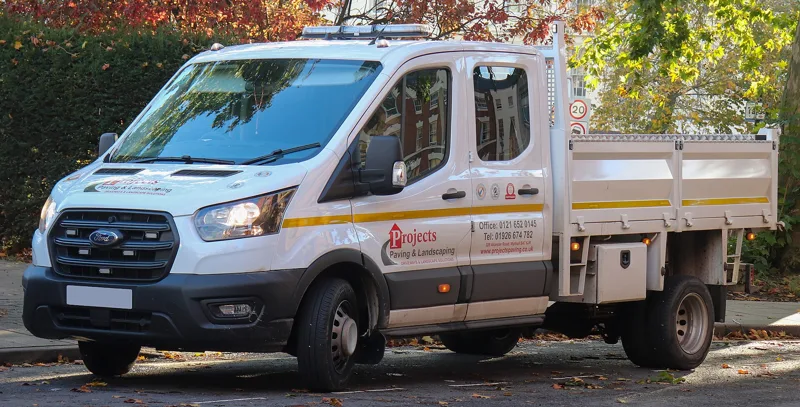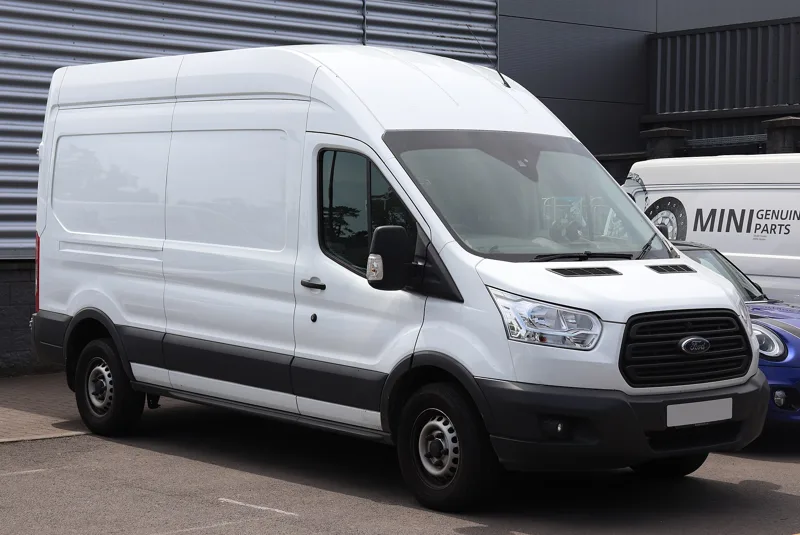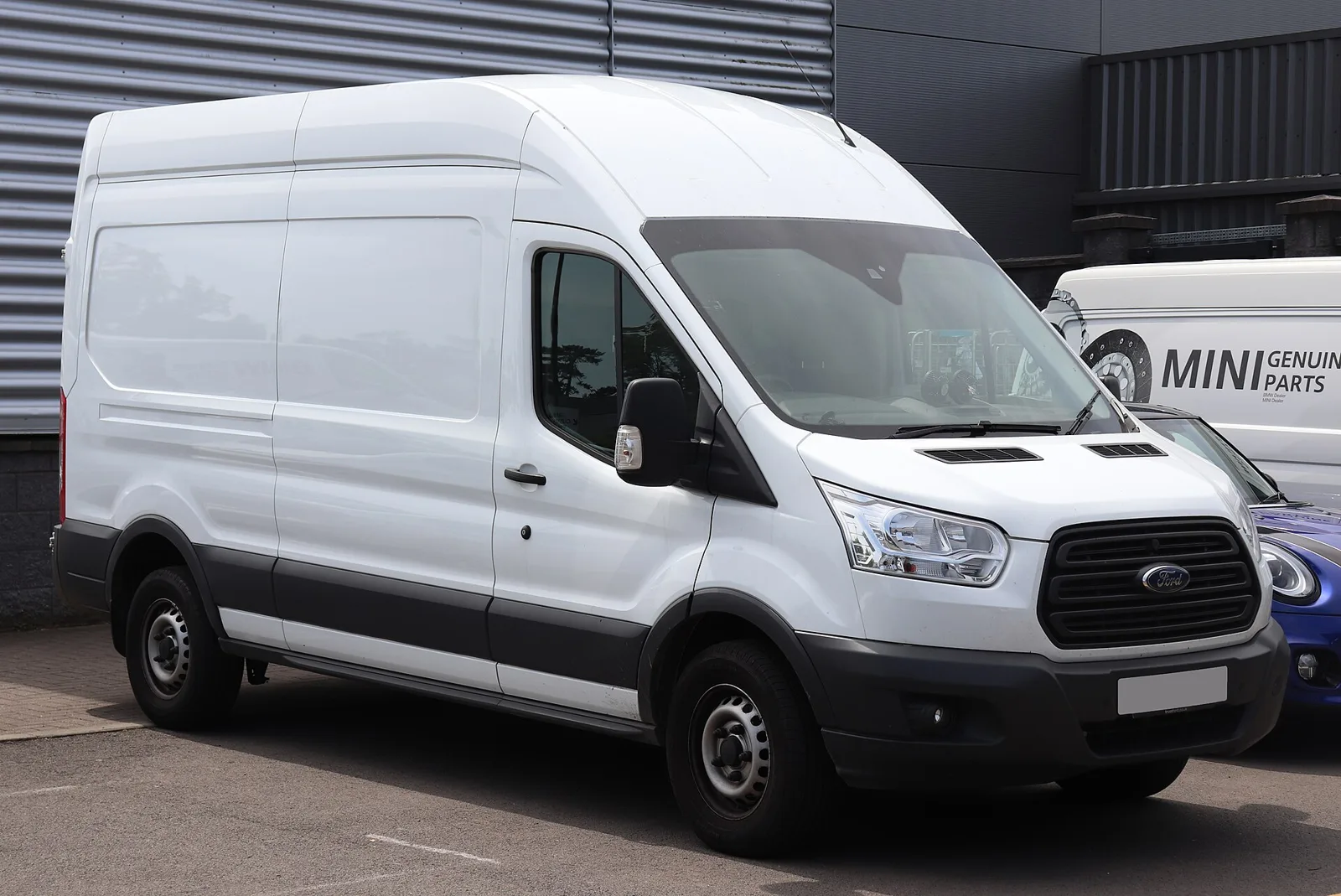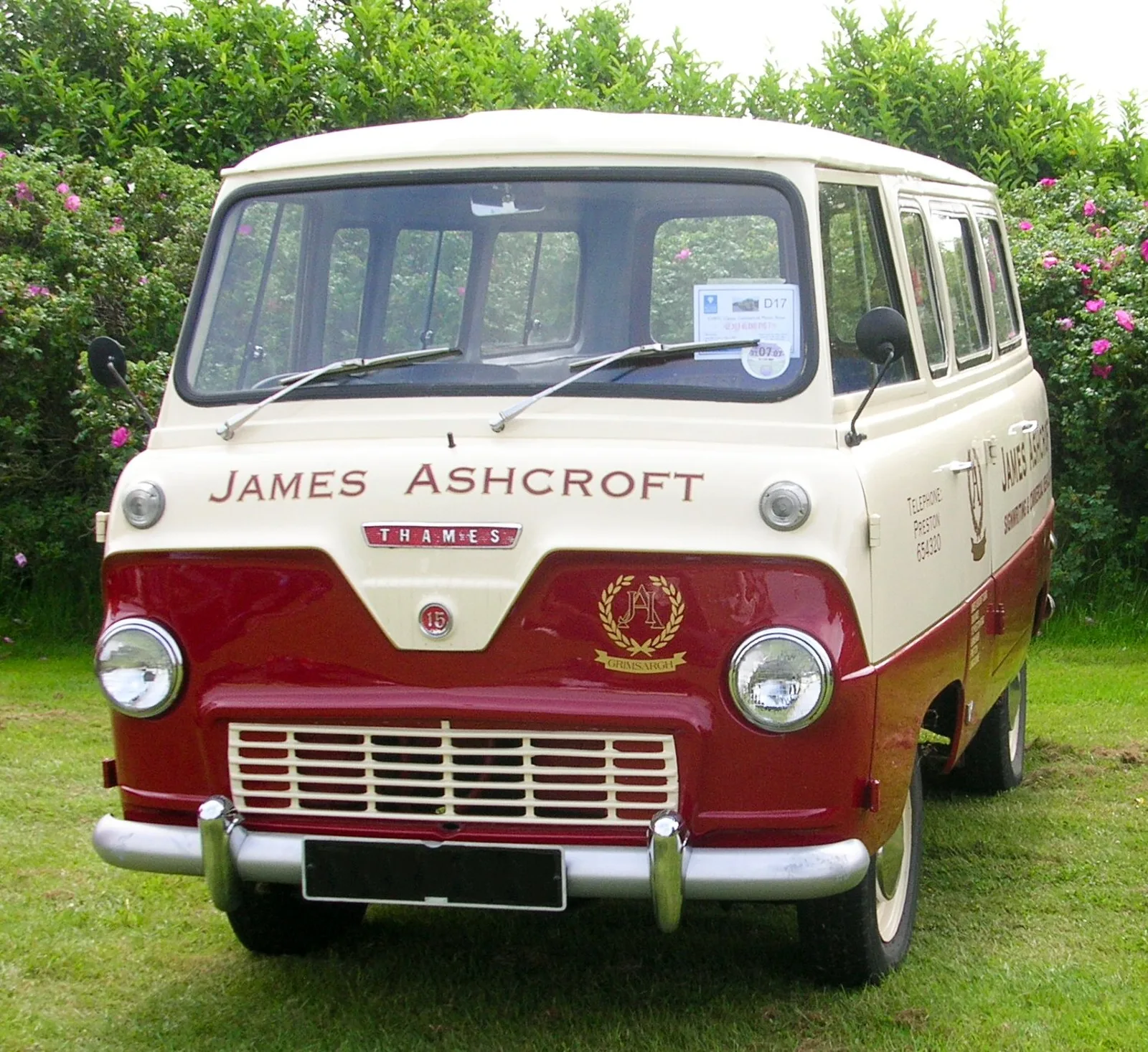
Ford's Thames 400E was a British forward-control van from 1957, and the Transit that followed in 1965 became one of the best-selling vans of all time.
The Ford Thames 400E was a British forward-control van built from 1957 to 1965, with 187,000 made. Its successor, the Transit, arrived in October 1965 and has sold 8 million vans by 2015, which makes it one of the best-selling vans ever built.
The Ford Thames 400E and the Ford Transit were both forward-control vans from Ford's British operation, and they were on sale together only for a short time in 1965. The 400E was the Thames range introduced in 1957, while the Transit replaced it in October 1965 and went on to be one of the best-selling vans ever. Comparing them shows how Ford moved from a small forward-control van to a unified European model.
Were the Ford Thames 400E and Ford Transit rivals?
Not in the usual sense. The Transit was built to replace the Thames 400E, so the two were successor and predecessor rather than competing models. They overlapped only in the closing months of 1965, when the last 400E vans were built.
The 400E had rivals of its own, and the Transit inherited the same class of buyers when it arrived.
The 400E had rivals of its own. Morris, Austin, Trojan and Bedford all had vans in the same payload class, and Ford's engineers studied them closely before designing the 400E.
The Transit's rivals came later. In a UK market dominated by the Bedford CA, the 400E's restricted load area had failed to attract fleet users in enough numbers, which is why Ford changed the layout for the Transit.
A forward-control van that gave way to a front-engined successor, which went on to become one of the most successful vans ever built.
When did each van go on sale?
The Thames 400E went into production in September 1957, and it was made until September 1965, with 187,000 built in total. The first generation of the Transit was introduced in October 1965, taking over directly from the 400E.
The 400E's last models were built in August 1965. The Transit was developed under the Redcap codename, which had been under way since about 1963.
The Transit then had an unusually long first run. It stayed largely unaltered for 12 years, until a major update in 1977, and its platform lasted more than 20 years before the VE6 replaced it in 1986.
Why did Ford replace the Thames 400E?
Ford's light commercial line had been out of date for years, and the 400E was designed to fill a gap in the 10 to 15 cwt market. Its forward-control layout put the driver over the engine, which gave a narrow track and a restricted load area.
The Transit moved Ford to a front-engined layout, in line with Bedford's well-regarded CA series of the 1950s. Its broad track gave a huge advantage in carrying capacity over comparable vans of the day.
The change was also part of a bigger shift at Ford. Ford of Britain and Ford-Werke in Germany had been competing in continental European markets, and the Transit was the first product of a joint approach that would become Ford of Europe.
What are the Ford Thames 400E and Ford Transit specifications?
| Specification | Ford Thames 400E | Ford Transit (first generation) |
|---|---|---|
| Introduced | 1957 (production from September 1957) | October 1965 |
| Production ended | September 1965; last vans August 1965 | Platform lasted until replacement in 1986 |
| Built | 187,000 in total | not recorded for the first generation |
| Layout | Forward control, outrigger chassis | Front-engined, broad track |
| Wheelbase | 84 inches (2,100 mm) | not recorded |
| Van body | 180 cubic feet (5.1 m3) | not recorded for the van body |
| Front suspension | Independent, coil springs and transverse wishbones | Front beam axle, with a wider track |
| Standard engine | Consul 1703 cc ohv, 53 bhp (40 kW) at 4400 rpm, low compression | Essex V4 of 1.7 L or 2.0 L petrol |
| Diesel | Perkins 4/99, 1.6 litre, 42 bhp (31 kW) | Perkins diesel of 43 bhp (32 kW) with the 'pig snout' nose |
| Gearbox | Three-speed with synchromesh on the upper two ratios; four-speed from 1963 | not recorded |
| Body styles | Van, chassis cab, estate, 12-seat minibus, pickup, tower wagon | Panel vans in long and short wheelbase forms, pick-up, minibus, crew-cab |
| Sales | 187,000 built | 8 million Transit vans sold by 2015, across all generations |
How did the 400E's engines perform?
The 400E used the Consul's 1703 cc ohv engine, in a low compression form that produced 53 bhp (40 kW) at 4400 rpm. The regular high compression cylinder head, rated at 7.8:1, was an option on the van.
A Perkins 4/99 diesel, a 1.6 litre four-cylinder unit with 42 bhp (31 kW), was also offered. It was marginal on performance but offered useful long-term economies over the petrol engine.
From January 1963 the 1703 cc engine was uprated to 55 bhp (41 kW) in low compression form, and a high compression head gave 58 bhp (43 kW) for premium petrol users. A four-speed all-synchromesh gearbox was also available from that point.
What engines did the first Transit use?
The first Transit used Essex V4 engines in 1.7 L and 2.0 L capacities, which Ford kept short to limit the added length needed to place the engine ahead of the driver. An alternator was fitted at a time when rivals still used dynamos.
The diesel was a 43 bhp (32 kW) Perkins unit, which was too long for the stubby nose and so needed a longer bonnet, nicknamed the pig snout. The Perkins unit was replaced by Ford's own York unit in 1972.
On the Continent the Transit used the German Taunus V4 engines, and the long-nose diesel front also housed a 3.0 L Essex V6 for high-performance police and ambulance vans. In Australia an inline six derived from the Ford Falcon was added in 1973.
How did the Transit's layout differ from the 400E's?
The Transit's front-engined layout moved the driver away from the engine. Drivers welcomed the change.
The Transit's front-engined layout meant the driver sat above the wheels rather than over the engine. Drivers appreciated the removal of the excessive noise, smell and cabin heat that had come with the 400E's layout.
The Transit did use a front beam axle in place of the 400E's independent front suspension. Some saw that as a backward step, but on-the-road commentators felt the wider track and longer wheelbase more than made up for it.
Most of the Transit's mechanical parts were adapted from Ford's car range of the time, which gave the van a familiar set of components.
Which van had more body styles?
The 400E offered a van, chassis cab, estate, 12-seat minibus and a long list of special bodies. The Powertruc air compressor truck and the Walkers of Watford pickup were among the more unusual options.
The Transit extended that range with panel vans in long and short wheelbase forms, pick-up trucks, minibuses and crew-cabs. The sheer variety of bodies was one of the key reasons for its success.
Several 400E body styles were built by outside suppliers, with Ford's approval confirmed in its brochures. Mobile shops, milk floats, ambulances and box vans all appeared, and the Transit's own body range grew in the same way.
Which van sold more?
The 400E sold 187,000 units in its eight years of production. The Transit's sales run was far larger, with 8 million vans sold by 2015, and it became the third best-selling van of all time.
In Europe the Transit was the best-selling light commercial vehicle for forty years. In some countries its name passed into common usage as a generic term for any van in its size bracket.
The Transit was also the best-selling van of any type in the United States after its introduction there, a remarkable result given that it arrived in North America only in 2015 to replace the E-Series van.
How did the Transit's predecessors in Germany fit in?
Ford Germany built the first Transit-badged van in Cologne from 1953. The FK 1000 used a 1.2-litre sidevalve engine from the Taunus, enlarged to 1.5 litres in 1955, and it was called the Taunus Transit from 1961 until production ceased in 1965.
The German FK series and the British Thames 400E began competing for the same continental European markets after 1957. That situation proved expensive, and Ford's Detroit headquarters pushed for a single unified van.
The Redcap project, started in 1963, produced the Transit on a new unified platform. Ford of Britain and Ford-Werke merged into Ford of Europe in 1967, and the Transit became the first product of the joined-up approach.
Where was the Transit built?
The first Transit was built at Langley in Berkshire, then at Southampton until 2013, and it was also produced at Genk in Belgium and at Izmit in Turkey. Demand outstripped the first plant, which is why production moved on.
Transits were also built at Amsterdam from the mid-1970s until the end of 1981. The Amsterdam factory had spare capacity because the Ford Transcontinental made there had sold poorly, and the Transit's sales in the Netherlands were not enough to keep the plant open.
The Transit was assembled in South Africa between 1967 and 1974, and that market was one of several where the van was built under licence rather than imported.
How are the Transit's generations named?
The first generation is known as the Transit Mark I in the United Kingdom, and the 1965 to 1978 pan-European model is often labelled Mark 1 in retrospect. Ford's own look back at Transit production used production years rather than Mark numbers.
Facelifts and upgrades have been labelled with a range of Mark numbers over the years, and sources differ on whether a facelift counts as a new Mark. Four basic platforms have appeared since 1965, each with its own facelifts.
Which car suits which buyer?
The Thames 400E suited a buyer who needed a compact forward-control van in the 10 to 15 cwt class with a choice of petrol or diesel power. The Transit suited a buyer who wanted a broad-track van with a wide range of body styles and a long life in production.
The figures do not settle a contest, because the two vans were successor and predecessor. The Transit was the more successful van, and it was built to correct the 400E's shortcomings, especially the restricted load area that had failed to attract fleet users.