A three-box saloon from 2010 that borrowed the C5 platform, grew an estate and two hybrids, and left the price lists in 2018.
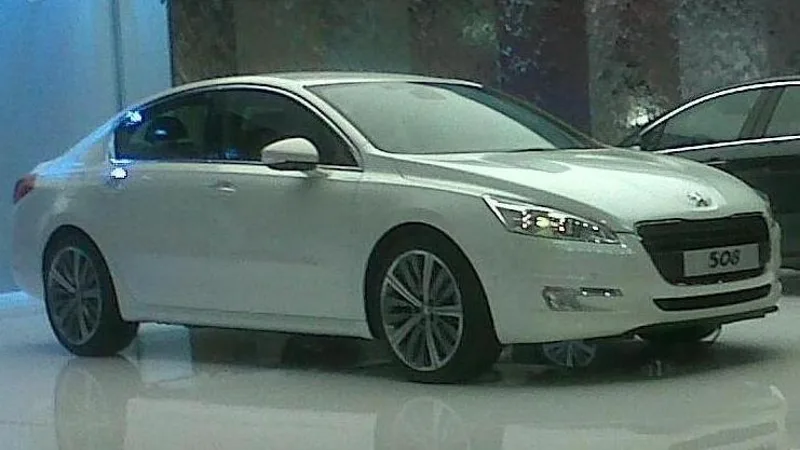
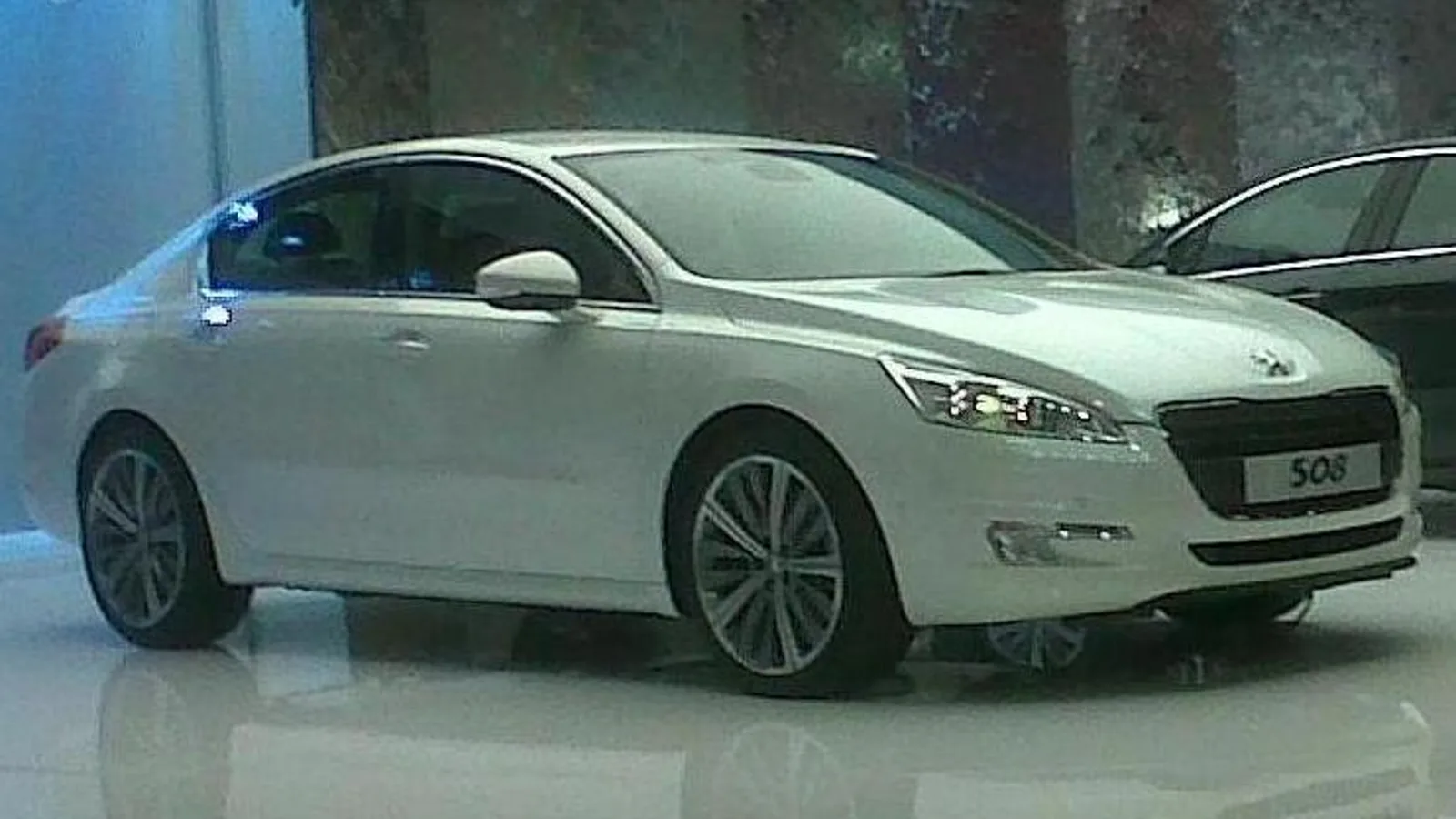
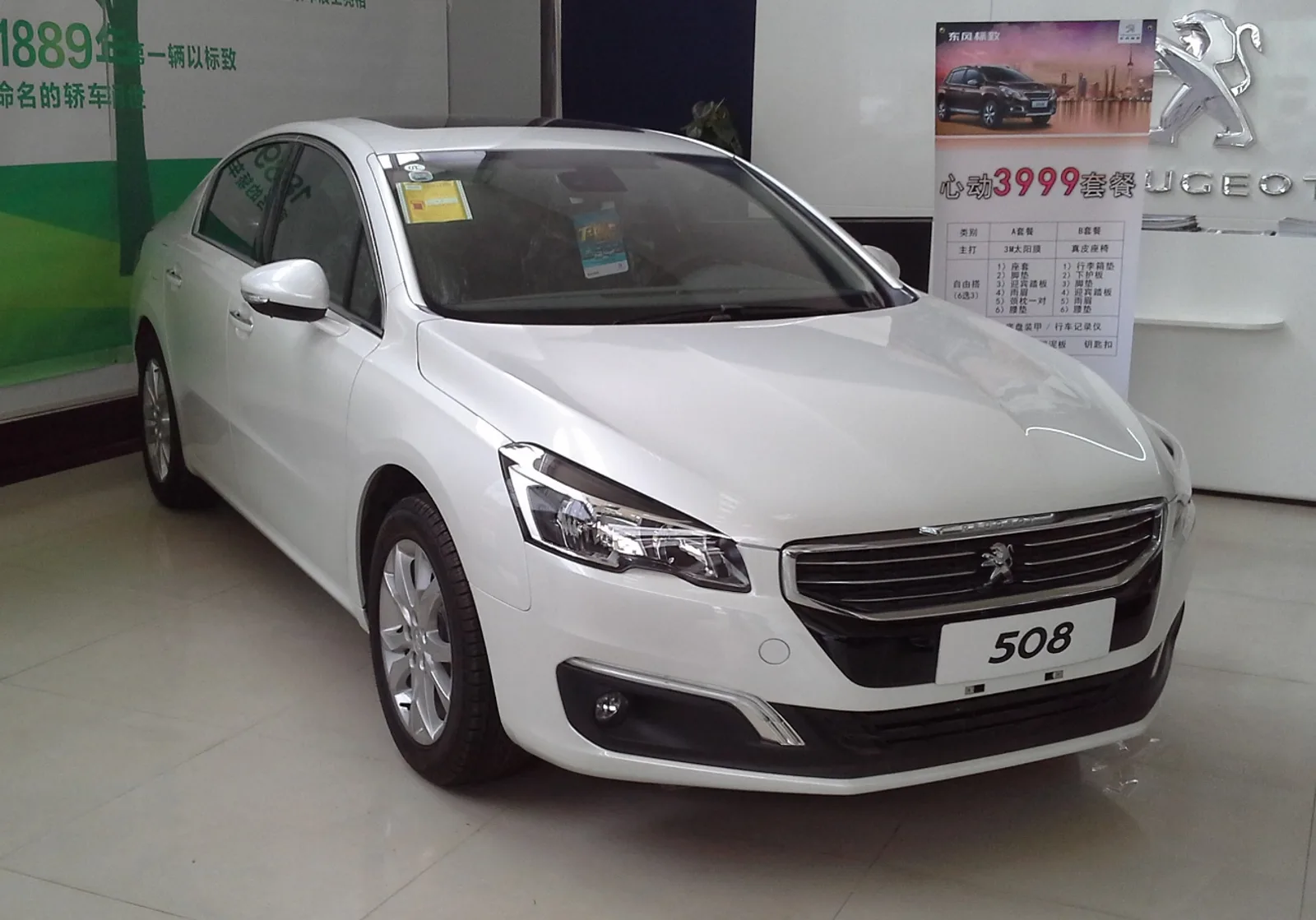
The Peugeot 508 I was the first 508, a three-box saloon from the French maker. It was unveiled at the Paris Motor Show in October 2010, went on sale in March 2011, and shared much of its platform with the C5. Estate and hybrid versions joined it.
Peugeot introduced the 508 to fill the space between two cars, the slow-selling 607 and the popular 407. Under the skin it borrowed heavily from the C5, and during its run it gained an estate and two hybrid versions.
Why did Peugeot create the 508?
Peugeot wanted one mid-size saloon to replace two cars. The 607 flagship sold poorly, while the 407 did very well, so management considered merging both into a single mid-size model. The new car was placed between its two predecessors and took the 508 name from an older series that had lain unused since the 505 SW ended in 1992.
Two concepts, the 5byPeugeot and SR1, appeared at the 2010 Geneva Motor Show. They previewed styling that broke with the recent Peugeot range, and the production car followed in Paris that October.
A mid-size saloon built to fill the gap between the 607 and the 407.
How did the 508 look and how roomy was it?
The 508 swapped the 407's large mouth for a smaller grille, and it added sharp headlamps and a clean flank. Its saloon boot held 515 litres, expanding to 1,598 litres with the rear seat folded. Interiors aimed at personalisation and generous space for passengers.
The high tail added to boot capacity and gave the car a more dynamic outline. Peugeot presented the front as the clearest sign of its new styling course, with a restrained grille replacing the bold opening of its predecessor.
Underneath, the 508 borrowed its platform and much of its hardware from the C5, a car that had already gone to a second generation two and a half years earlier. Weight was a major concern for the engineers. The finished car weighed about 14 quintals (1,400 kg) unladen, which put it markedly under its main competitors.
How was the 508 suspended and braked?
Most versions used MacPherson struts at the front, while the top GT model fitted a more sophisticated double-wishbone arrangement in aluminium alloy. The rear was a multi-link layout, and disc brakes served all four wheels.
The long wheelbase helped stability at high speed and also supplied the generous interior space. Both benefits came from the same dimension.
The double-wishbone front was a feature of the GT top model alone, not of the rest of the range.
What engines did the 508 launch with?
Seven engines were on offer at launch, split between two petrol units and five diesels. The petrol range ran from a 1.6 16v VTi with 120 PS to a supercharged 1.6 THP with 156 PS. The diesels stretched from a 1.6 HDi with 112 PS up to a twin-turbo 2.2 with 204 PS.
Two 2.0 HDi versions, at 140 PS and 163 PS, filled the middle. The 2.2 unit displaced 2,179 cc (133.0 cu in), and the 1.6 e-HDi came with an integrated Start&Stop system on its 112 PS output.
Which gearboxes could buyers choose?
Gearbox choice depended on the engine. The 1.6 THP could take a six-speed manual or a six-speed sequential automatic, whereas the 140 PS 2.0 HDi came only with a six-speed manual. The 1.6 HDi used a five-speed manual.
Robotised six-speed boxes went into the 1.6 VTi and the e-HDi. The other two diesels used the six-speed sequential automatic that the 1.6 THP also offered as an option.
How did the 508 SW differ from the saloon?
The SW estate arrived at the end of 2010 as a slightly longer, more practical sibling. Its boot offered 560 litres as standard and 1,115 litres with the rear seat folded. A double floor added 49 litres of storage, except on the GT, which had standard twin exhaust tailpipes and a 29-litre double floor.
The roofline dropped toward the back and finished in a rounder tail. Horizontal rear light units replaced the saloon's vertical ones, and fresh headlamp plastics carried a new graphic.
Engines matched the saloon from day one, and the estate ended its career together with the saloon in 2018.
The GT version came with twin exhaust tailpipes fitted as standard and a 29-litre double floor.
What were the RXH and Hybrid4?
The 508 RXH and 508 Hybrid4 were Peugeot's hybrid versions of the 508, both sold from 2012. They paired a 163 PS 2-litre diesel with a 37 PS electric motor, and together the two delivered 200 PS and four-wheel drive.
The RXH went on sale early in 2012 as an estate-only model with raised suspension and unpainted lower body panels that placed it in the crossover-SUV segment. The Hybrid4 followed in September 2012 as a saloon with more discreet bodywork, and four-wheel drive returned to a mid-size Peugeot saloon for the first time in 17 years.
The electric motor drove the rear wheels at very low speed for manoeuvres such as parking and queueing. When both motors worked together their outputs added up to the 200 PS total. Both cars used a six-speed robotised gearbox. The 2014 restyle affected the whole range, from the basic versions up to the RXH, and both hybrids were confirmed in it. The saloon hybrid left the price lists in May 2016, and the RXH followed the year after.
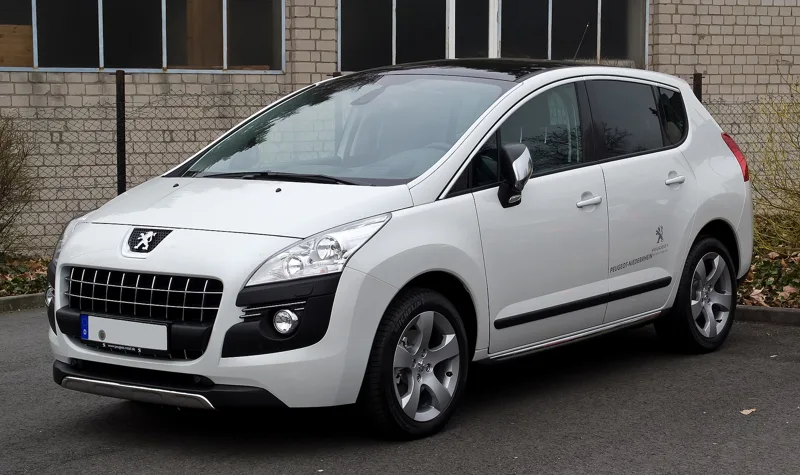
Peugeot had already launched the 3008 Hybrid4 before extending its hybrid line with two 508 models. The 508 hybrids reused the diesel-and-electric pairing first introduced in that 3008, which was already on the market.
What changed in the 2015 restyle?
At the end of summer 2015 the 508 gained a more upright, squared grille and full-LED light units at the front. At the rear the update mainly changed the headlamp plastics, which received a new graphic. The 1.6 THP rose from 156 PS to 165 PS and met the Euro 6 standard, as did a new 180 PS diesel. The tail changes were more visible on the saloon than on the estate.
A new 180 PS diesel, based on the 150 PS unit already in the range, arrived, and a new six-speed automatic replaced the earlier unit. The new diesels sat beside the existing ones instead of replacing them, which widened the diesel offer.
What did the 2014 AdBlue diesel add?
Spring 2014 brought a new turbodiesel based on the classic 2-litre engine. It used AdBlue, an additive that reduced harmful emissions, and its maximum power reached 150 PS. The restyle of 2015 later brought a 180 PS diesel based on this unit.
The base was the classic 2-litre diesel.
Where was the 508 built?
Peugeot began building the 508 at its Rennes plant in autumn 2010, several months before sales opened in March 2011. Production also started in China in 2011 at the Dongfeng plant, which assembled PSA models for the domestic market, sometimes including entirely new ones.
The Dongfeng plant built a range of Group PSA cars for buyers in China, so the 508 was one car among several made there.
How did the first 508 leave the market?
The first 508 left the price lists in April 2018, in both saloon and SW estate form. Images of the second generation had been published earlier that year, and the newcomer was set to replace the original soon afterwards.
Key figures for the 508 I
| Specification | Detail |
|---|---|
| Unveiled | Paris Motor Show, October 2010 |
| On sale | March 2011 |
| Body styles | Saloon and SW estate |
| Saloon boot | 515 litres; 1,598 litres with rear seat folded |
| SW boot | 560 litres; 1,115 litres with rear seat folded |
| Petrol at launch | 1.6 16v VTi, 1,598 cc (97.5 cu in), 120 PS (88 kW; 118 hp); 1.6 THP, 156 PS (115 kW; 154 hp) |
| Strongest diesel at launch | 2.2 HDi, 2,179 cc (133.0 cu in), 204 PS (150 kW; 201 hp) |
| Gearboxes | 5-speed manual, 6-speed manual, 6-speed robotised, 6-speed sequential automatic |
| Hybrids | RXH (estate, sold from early 2012) and Hybrid4 (saloon, September 2012) |
| End of first generation | Left the price lists in April 2018 |
| 2015 restyle | Full-LED lights; new 180 PS diesel; 1.6 THP raised to 165 PS |