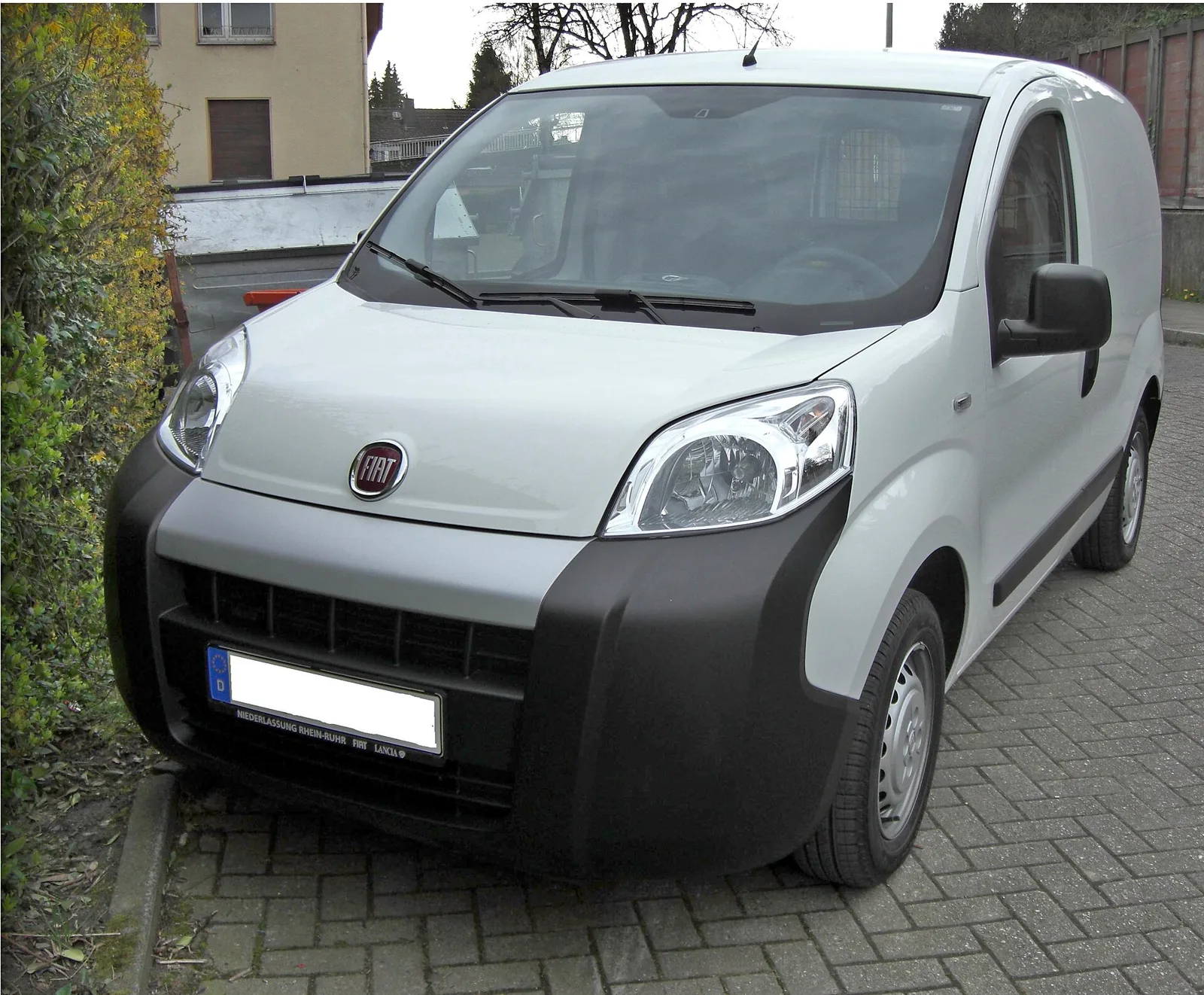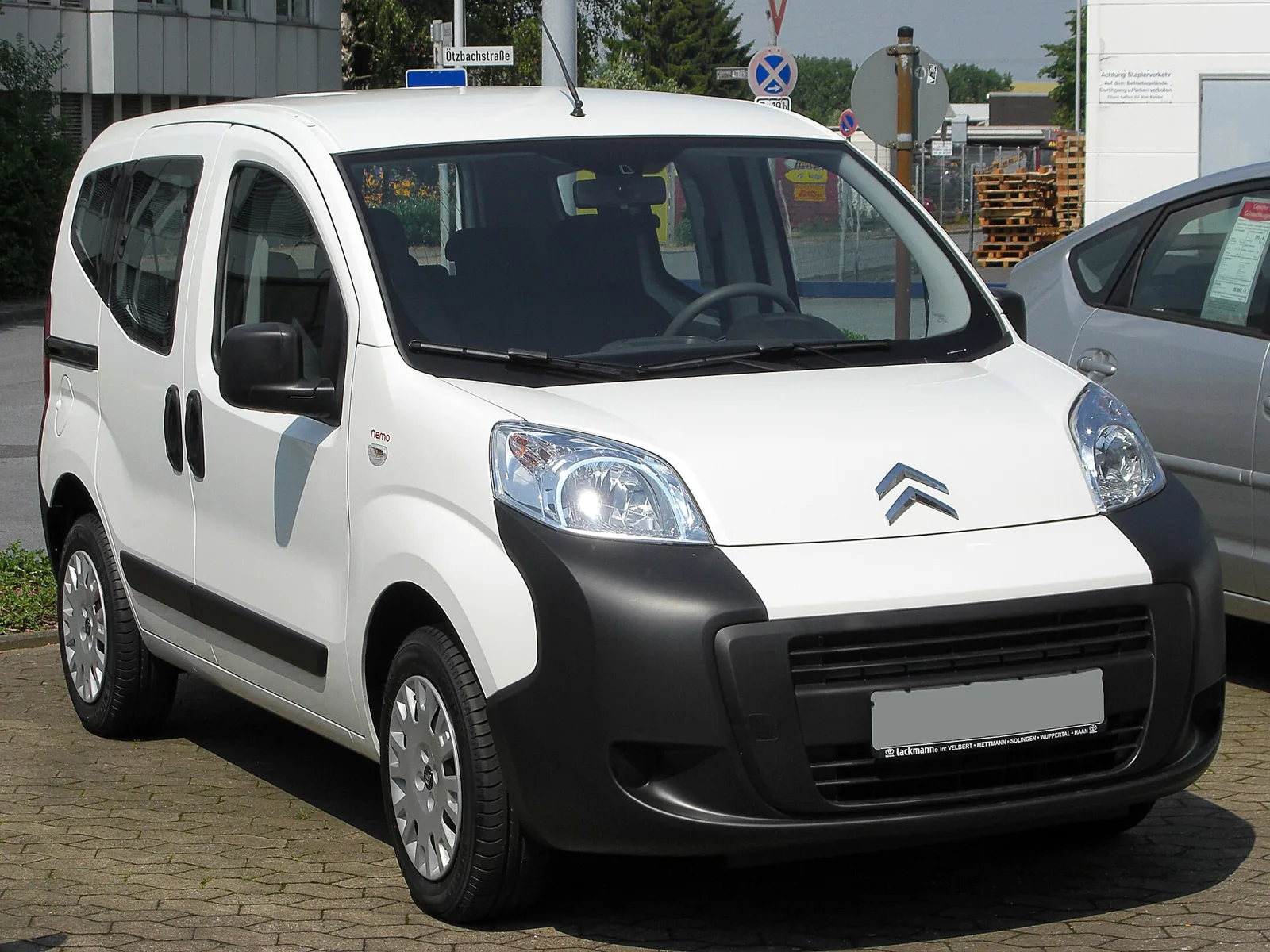
A high-cube small van that began as a Fiat 127 derivative and grew into a shared Fiat, Citroen and Peugeot family built across three continents.
The Citroen Nemo is a badge-engineered small van launched by Citroen in January 2008. It was built alongside the Fiat Fiorino and Peugeot Bipper, developed with Tofas under a 2005 agreement, and the Fiorino line itself dates back to 1977.
The Fiat Fiorino is a small commercial van that Fiat has built since 1977. Its Citroen and Peugeot siblings, the Citroen Nemo and Peugeot Bipper, share its body, platform and most components. Across its generations the van has been built in Italy, Brazil, Argentina, Spain and Turkey.
Where did the Fiorino come from?
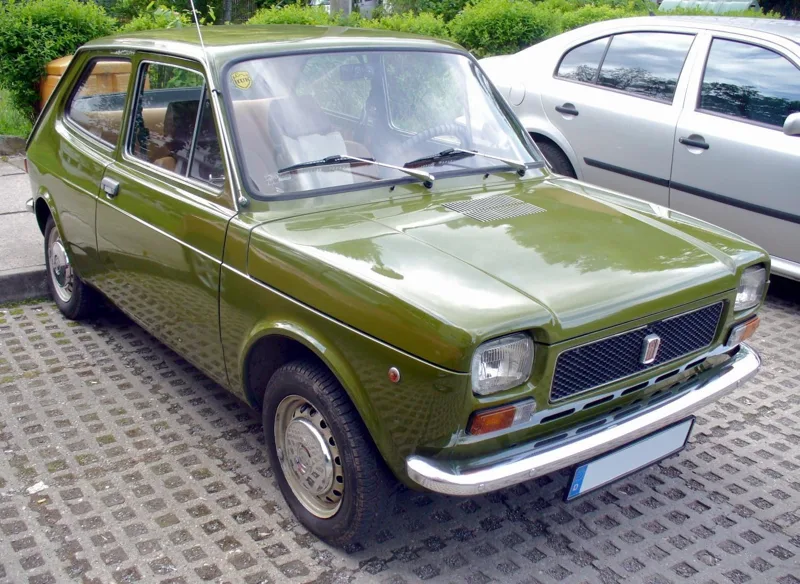
The Fiorino was launched in early November 1977 as a panel van based on the Series 2 Fiat 127. Its body was a 1.3 metre (4 ft 3 in) high cube box, and the platform was a stretched version of the Brazilian 147 with different rear suspension.
The high cube box became a template that several European automakers later copied. The name comes from the fiorino d'oro, an old Italian coin usually translated into English as the florin.
Early cars used the 903 cc OHV inline-four petrol engine from the Fiat 127. The glazed passenger version, called the Panorama, arrived in March 1979 alongside the 1050 cc OHC Fiasa engine.
From a 1977 panel van to a three-brand family of small vans, the Fiorino spent decades leading in Brazil.
When did right-hand drive Fiorinos arrive?
Right-hand drive production began in 1979, which opened sales in the United Kingdom and other countries that drive on the left. British buyers were offered only the larger 1.05-litre engine, and the 1.3-litre diesel came later in the decade.
Right-hand drive cars kept the original 127 underpinnings and design. They were available only as vans, with either a flat roof or a Hi-Top roof, and Bertone built them alongside its work on the X1/9 and Ritmo Cabriolet for Fiat.
A light facelift in 1985 added Fiat's five-bar grille, Ducato wing mirrors and a five-speed manual gearbox. Production ended in late 1987, with the original sheetmetal and quarterlights in the front doors still in use.
How did the first generation change between 1979 and 1981?
In 1981 Mirafiori production came to an end, and most European-market Fiorinos received the 147's taller front sheetmetal with an extra air intake beneath the grille. The Italian-made 903 cc engine was dropped, and a new 1301 cc SOHC diesel took its place.
The 147-style front also reached the Brazilian pick-up range. The Pick-up City and better equipped vans used the new Europa front from 1982, while most other European cars kept the original sheetmetal.
After the standard 127 was replaced by the Uno in 1983, Fiat dropped the 127 from the name in Europe, leaving simply Fiorino. The car's identity as a Fiat 127 derivative faded from then on.
When did the Fiorino reach Brazil?
The Fiorino launched in Brazil in September 1980, based on the locally built Fiat 147 with its 1.3-litre engine. It began as a van only, in panelled or glazed form, with a payload of 420 kg (926 lb).
Brazilian buyers could choose from at least four high cube versions from 1982. The Furgao was a two-seater panel van and the Vetrato a glazed two-seater. The Combinata had removable facing benches for six extra passengers, with little comfort, and the Settegiorni was a five-seat station wagon.
The pick-up had used the 147's shorter bodywork since late 1978. In 1981 it moved to the longer Panorama and Fiorino chassis, and a 1983 facelift brought a grille based on the South American Fiat 127 and 147 Unificata. Some lower-cost versions kept the old design until 1986.
Where was the Fiorino built?
The Fiorino was assembled from 1977 to 1981 at Mirafiori in Turin, alongside the Fiat 127. Production began at the Minas Gerais plant in Brazil in 1980, and in 1981 production for the European market moved there from Mirafiori.
Brazilian output ended in 1988, and the tooling went to Argentina. Sevel Argentina began building the van and pick-up in August 1989. Those cars used a locally made 1.3-litre petrol engine, a version of the Fiat 128 SOHC unit, or a Brazilian 1.3 diesel, rated at 60 hp (44 kW) and 45 hp (33 kW) respectively.
The Cordoba factory built 25,035 first-generation units between 1989 and 1995. In Brazil, 250,545 first-generation Fiorinos were built from 1980 to 1988, including 172,086 vans and 78,459 pick-ups.
The pick-up was a hit at home, with over three quarters of its output staying in Brazil. Nearly 90 percent of the vans built there went to export, mainly to Europe.
What was the Spanish Emelba 127 Poker?
The Emelba 127 Poker was a commercial vehicle built from 1980 in Spain, based on the SEAT 127. Coachbuilder Emelba produced it at its headquarters in Girona, Catalonia, using the 127's high cube box design with different rear doors, lights and suspension.
Elba Design studio designed the 127 Poker, which came as a panel van, a passenger version and a coupe utility pick-up. It used the 903 cc Fiat petrol engine and was sold directly through SEAT dealerships.
Production ended in 1986, when the Panda-based SEAT Terra replaced it. The Terra shared its engine with the SEAT 127.
What changed with the second generation?
The second generation, Type 146, arrived in 1987 based on the Brazilian Uno-derived Fiat Duna sedan. It had a tougher chassis than the European Uno and came as a panel van, a passenger Panorama or a pick-up. European sales began in 1988.
The first engines were the 1301 cc Fiasa petrol unit, rated at 50 kW (68 hp), and a 1.7-litre diesel at 44 kW (60 hp). In 1989 the Brazilian Fiorino became the first vehicle to receive a 1.5-litre derivative of the long-running Fiasa engine, producing 67.2 hp (49.4 kW) and 118 N-m (87 lb-ft).
European versions of that 1.5-litre engine added a three-way catalyst and fuel injection, giving 55 kW (75 hp) at 5600 rpm. Continental buyers could also choose a 128-based 1.1-litre engine with 40 kW (54 hp) at 5500 rpm, while the phase I pick-up in Europe came only with diesel.
The Fiorino passed 250,000 sales in Europe by the end of 2000. It stopped being imported into the United Kingdom in 2001, a year after production for European export had ended.
What did the 1992 and 1994 facelifts change?
The 1992 facelift borrowed styling from the Fiat Tipo and added a re-engineered platform, a new interior and cleaner engines. The diesel gained a new induction system and injector pump, and its output fell two horsepower to 43 kW (58 hp).
Catalysed cars carried 52 L (13.7 US gal) of fuel, down from 54 L (14.3 US gal), which left room for the converter. The gas cap was now covered by an integrated flap instead of being exposed.
The 1994 version was based on the Fiat Mille platform. It sat on a longer wheelbase, and its rear side panels had single side windows instead of the multiple divisions of the original. European diesels gained exhaust gas recirculation, while petrol versions moved to the 1.4-litre Tipo engine.
Brazilian buyers were also offered a one-litre engine that produced 41.3 kW (56.1 hp) at 6000 rpm. It reached 138 km/h (86 mph) flat out and could carry 500 kg (1,102 lb), while the catalysed 1.4 sold in Europe made 50 kW (68 hp).
How long did the second generation sell in Brazil?
The phase III Fiorino stayed on sale in Brazil, Paraguay, Argentina and Chile until the end of 2013. Brazilian production ended in December 2013, when a new generation based on the new Fiat Uno platform was unveiled, and the Fiorino had led its segment in Brazil for 23 consecutive years.
The phase III car was built at the Minas Gerais plant. Sales continued into 2013 ahead of Brazil's requirement for dual SRS airbags and ABS brakes from 2014 onwards.
In total 981,922 Fiorinos were built at Betim, Brazil, of which 775,620 were Cargo and Panorama models and 206,302 were pick-ups. Over one million second-generation Fiorinos have been sold in South America.
ABS and a driver airbag were optional from late 1998 to 2001. The dashboard could not take a passenger airbag without extensive changes, so Fiat phased that option out in favour of a newer design.
A 2004 facelift borrowed the front style of the Fiat Doblo, and a 2009 version carried a red Fiat logo at the front.
What was the third generation Fiorino?
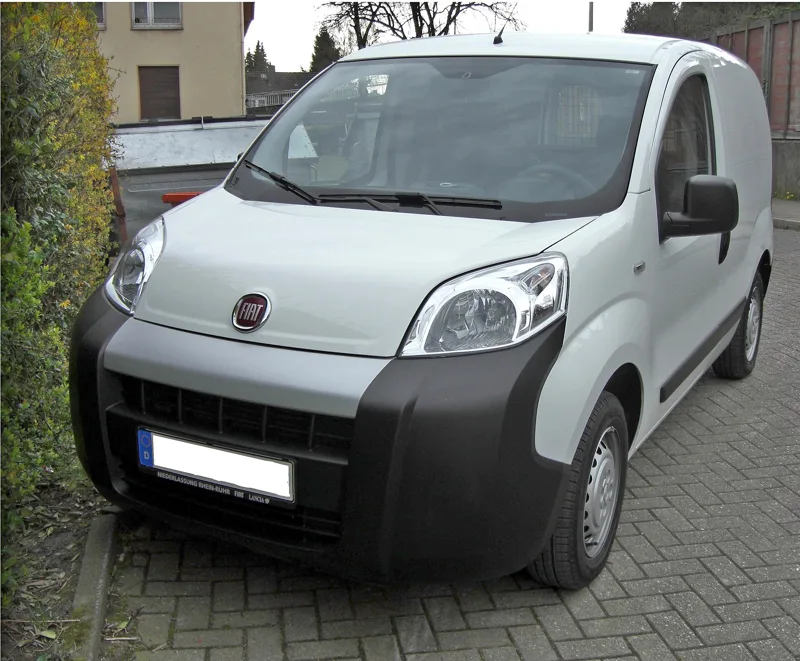
The third-generation Fiorino, Type 225, was unveiled in October 2007 and went on sale in February 2008, with production beginning in November 2007. It shares its architecture and body with the Citroen Nemo and Peugeot Bipper under the Sevel joint venture between Fiat and PSA Peugeot Citroen.
Built by Tofas in Bursa, Turkey, the vans came in panel van and passenger styles. They sit below the larger Doblo, Berlingo and Partner, and Fiat sells the passenger model as the Qubo, reserving the Fiorino name for commercial versions.
The Fiorino and its siblings are based on the Grande Punto Small platform, with a wheelbase of 2,513 mm (98.9 in). Tofas carried most of the development work as well as assembly, which made the project a breakthrough for the company.
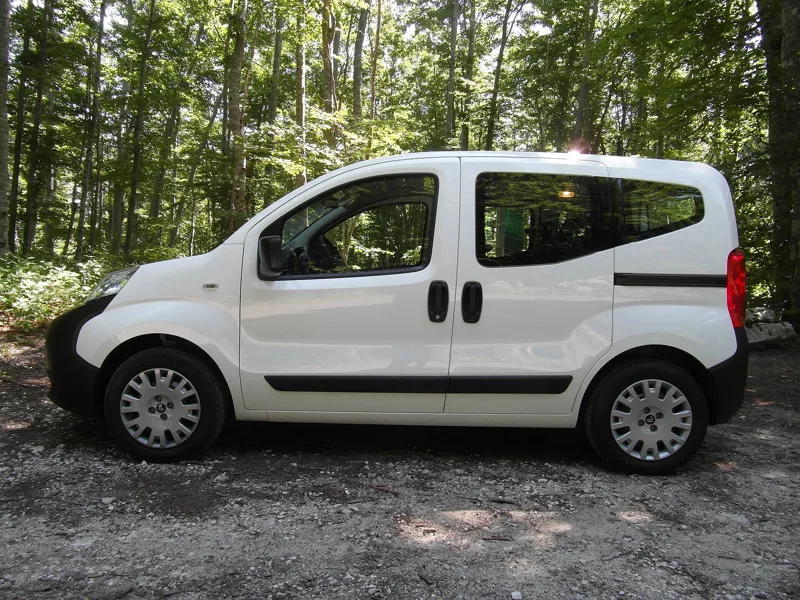
The passenger Qubo was shown at the Geneva Motor Show in March 2008. Up to five people can ride in it, with a choice of a 1.3 Multijet diesel producing 75 PS or a 1.4-litre petrol with 73 hp (54 kW). In some countries, Turkey among them, the passenger version was sold as the Fiorino Panorama.
What is the Citroen Nemo?
The Citroen Nemo is a badge-engineered van that Citroen launched in January 2008. It is the result of a partnership between Fiat, PSA Peugeot Citroen and Tofas, and it sits alongside the Peugeot Bipper and the Fiat Fiorino on the same platform.
The Citroen Nemo Combi, once called the Nemo Multispace, is a small MPV that was introduced in 2008 on the same platform. The Peugeot Bipper Tepee, also a small MPV, arrived the same year.
The Peugeot Bipper has been sold by Peugeot since May 2008. Peugeot calls it a mini cargovan designed for big and small cities, and it is cheaper and a little smaller than the Partner.
A partnership agreement was signed on 31 March 2005. Tofas builds the Nemo, Bipper and third-generation Fiorino in Bursa on behalf of all the partners.
Safety testing exposed a weakness in the Nemo. In April 2010, during a routine evasive manoeuvre test in Germany, a Nemo rolled over. The high-bodied, short-wheelbase shape was the cause, and electronic stability control, which would likely have prevented the rollover, was not available as standard or as an option.
What changed in the 2016 facelift?
In April 2016 Fiat Professional facelifted the Fiorino range with a new front bumper that picked up the design of the Doblo and Ducato, along with new alloy wheels. The new steering wheel housed an infotainment system developed by Magneti Marelli, with a 5-inch touchscreen for radio, navigation, Bluetooth, USB and AUX.
The engine line-up used the 1.4 Fire petrol with 77 horsepower and a 1.4 Natural Power petrol and methane version. The diesel 1.3 Multijet came with 80 and 95 horsepower. A low emission EcoJet version used the 1.3 diesel with manual or Comfort-Matic automated gearboxes, the latter an evolution of the earlier Dualogic.
The EcoJet also had a variable displacement oil pump. Trim levels were Cargo, Combined and Panorama, and the Adventure set-up, available on all three, added raised trim, suspension, M+S tyres, specific alloy wheels and Traction+ electronic differential lock.
PSA-badged variants received no update and were discontinued in December 2017. July 2018 brought Euro 6D-Temp re-homologation for the Fiat engines, and in February 2022 the new Fiat logo appeared at the front.
How is the Fiorino sold in Latin America today?
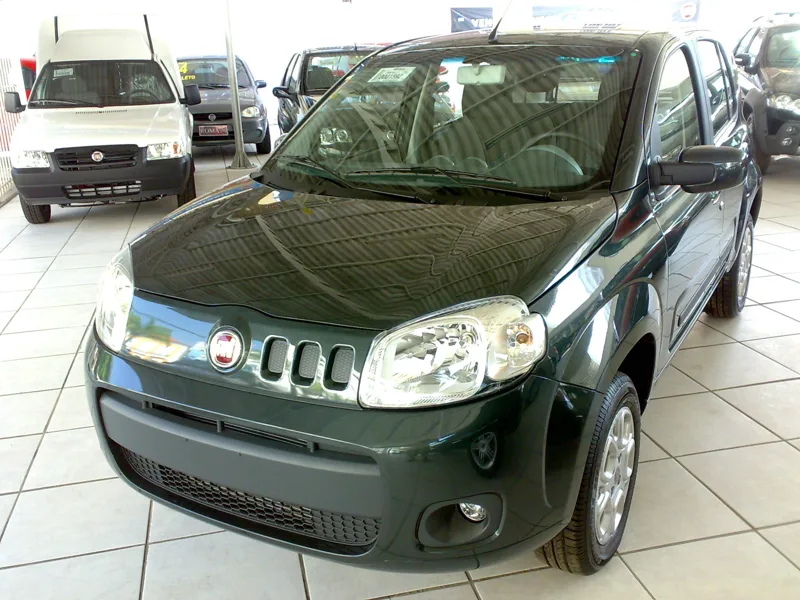
A different Fiorino has been built in Brazil since 2013, based on the second-generation Fiat Uno launched in 2010. It was introduced in October 2013 as a 2014 model at the Fenatran cargo transport show in Sao Paulo, alongside the Uno Furgao panel van it is based on.
The Brazilian-spec Fiorino is sold by Ram Trucks in Mexico as the Ram Promaster Rapid, and as the Ram V700 Rapid in Chile, Bolivia, Colombia and Peru. Since May 2022 it has also been sold in Brazil as the Peugeot Partner Rapid.
A facelift with minor visual changes arrived in December 2021 as a 2022 model. Until 2024 the Fiorino used the 1.4 Evo Flex, a 1,368 cc four-cylinder from the Fire family, rated at 85 or 88 hp (63 or 65 kW) at 5,750 rpm on petrol or ethanol.
In 2025 the 1.4 Evo Flex gave way to the 1.3 8V Firefly Flex. In September 2026 the Peugeot model launched in Argentina, after that market opened to imports, partly replacing the first-generation Peugeot Partner still built there.
What were the main Fiorino and Nemo specifications?
| Specification | First generation (1977) | Second generation (1987) | Third generation (2007) |
|---|---|---|---|
| Launch | Early November 1977 | 1987, European sales from 1988 | Unveiled October 2007, on sale February 2008 |
| Platform | Series 2 Fiat 127, stretched Brazilian 147 | Brazilian Fiat Duna, Uno-derived | Grande Punto Small platform |
| Wheelbase | Not given | Not given | 2,513 mm (98.9 in) |
| Engine at launch | 903 cc OHV inline-four petrol | 1301 cc Fiasa petrol, 50 kW (68 hp) | 1.3 Multijet diesel with 75 PS (passenger Qubo) |
| Diesel option | 1301 cc SOHC diesel from 1981 | 1.7-litre diesel, 44 kW (60 hp) | Multijet diesels with 80 and 95 hp after 2016 |
| Payload | 420 kg (926 lb), Brazilian van | 500 kg (1,102 lb), one-litre Brazilian model | Not given |
| Top speed | Not given | 138 km/h (86 mph), one-litre Brazilian model | Not given |
Who built the Fiorino outside Europe and Brazil?
Sevel Argentina took over production after Brazil in 1989, and the car was later assembled there for the second generation as well.
In Spain the Emelba 127 Poker used the same basic idea, and in Venezuela the second-generation pick-up was sold as the Premio Pickup, linking it to the related sedan model.