Stage racing, a reworked playoff format and Martin Truex Jr.'s first championship defined a 36-race season that ran from Daytona to Homestead.
The 2017 NASCAR Cup Series, the 69th year of top-level stock car racing in America, brought stage racing and a reworked playoff format. Furniture Row Racing's Martin Truex Jr. claimed the title, and Toyota took the manufacturers' championship for a second straight year.
The 2017 NASCAR Cup Series was the 69th top-level stock car championship held in America and the 46th of the modern era. It brought stage racing, a reshaped points scale and a playoff built on wins, and it closed with Martin Truex Jr. claiming his first title. Toyota won the manufacturers' title for a second straight year.
Who won the 2017 NASCAR Cup Series championship?
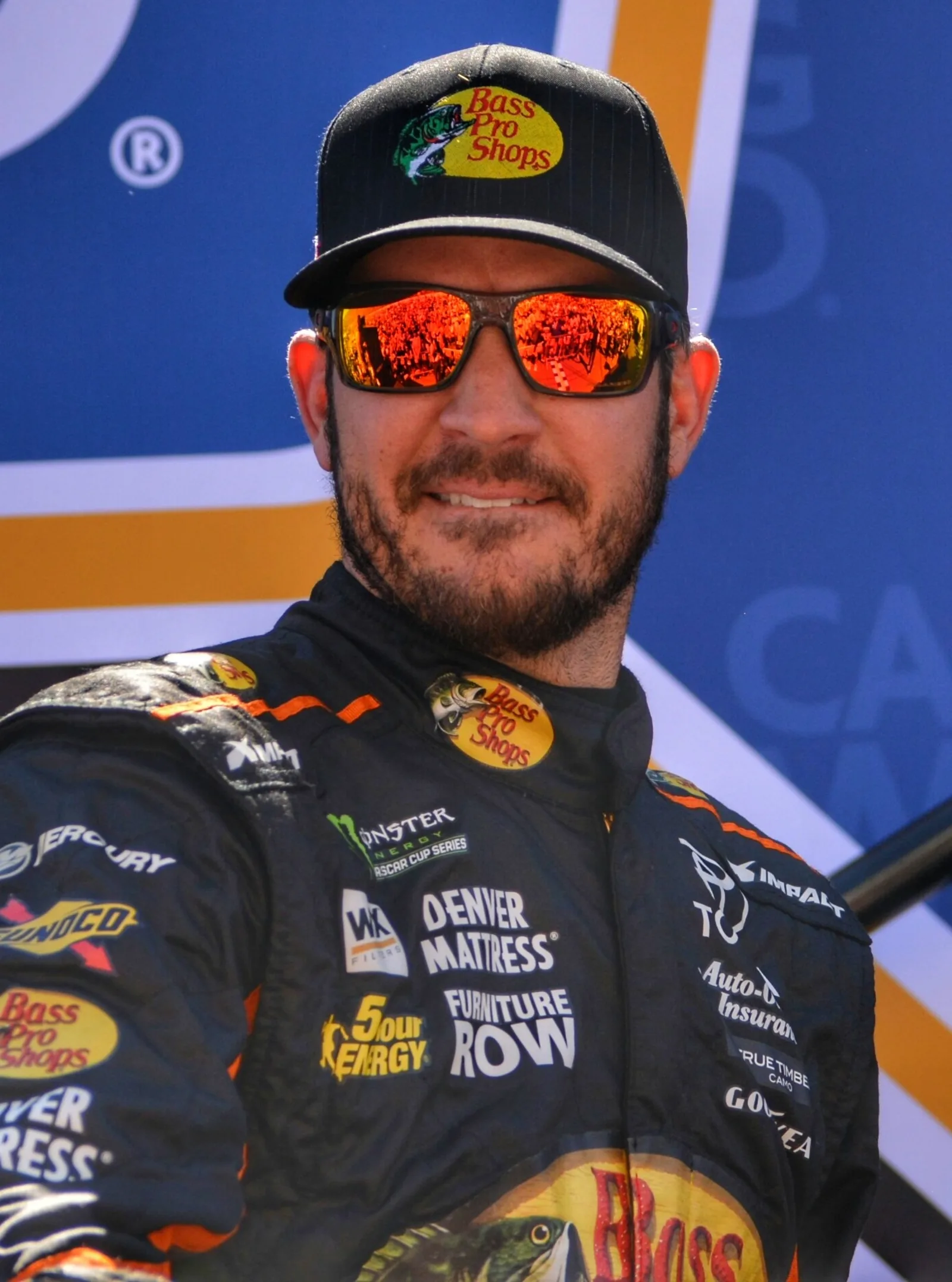
Martin Truex Jr. won the 2017 NASCAR Cup Series title as a first-time champion, driving for Furniture Row Racing. He clinched the title at Homestead-Miami Speedway with his eighth win of the season, after holding a 107-point lead in the regular-season standings before the final race.
Truex had already won the regular-season championship at Darlington, where he finished eighth and left with that 107-point margin. His season included wins at Las Vegas, Kansas, Watkins Glen and Homestead, which gave him a steady pace through the stages and the playoff rounds.
At Homestead, Truex controlled the closing stretch and kept Kyle Busch at bay for second. The result gave Truex a title that rewarded consistency across all three stages, rather than one standout run.
A stage format, a reshaped playoff and a first title for Truex made 2017 a season of steady pressure rather than one big moment.
What changed in the 2017 rules?
The 2017 season introduced a three-stage race format, a new points scale for finishing positions, and a Damaged Vehicle Policy that restricted what crews could repair on pit road. The rule changes were announced in January and applied across all three of NASCAR's national series.
Most races were split into three stages. The first two stages were roughly a quarter of the race, and the third was about half. The Coca-Cola 600 was the exception, running four 100-lap stages. A race became official after the second stage, so a race could be stopped with a winner during the third stage because of darkness or bad weather.
The points scale rewarded the top ten at the end of stages one and two, with 10 points for the leader down to 1 point for tenth. The race winner earned 40 points, second place earned 35, and the scale ran down to 2 points for 35th. Finishers from 36th to 40th each earned a single point. Stage winners added a playoff point, and the overall winner added five.
The Damaged Vehicle Policy let a car come back onto pit road for as long as five minutes of minor fixes, such as reattaching body panels with fasteners or tape. Crews could no longer replace body parts damaged in contact, and a car that needed more than the allowed work was out of the race. Repairs to mechanical or electrical faults unrelated to on-track contact were allowed.
How did the playoffs work in 2017?
The 2017 playoffs took 16 drivers, chosen by their regular-season wins, with points used as the tiebreaker. Playoff drivers had their points reset to 2,000 before the first round, and the regular-season champion received 15 bonus playoff points, with second place receiving 10.
The playoffs ran over the final ten races after the 26-race regular season. The first elimination round was held at Kansas, and the field was narrowed through successive rounds until four drivers remained for the Championship 4 at Homestead. Brad Keselowski clinched the last Championship 4 place at Phoenix after Jimmie Johnson blew a tire and lost his chance.
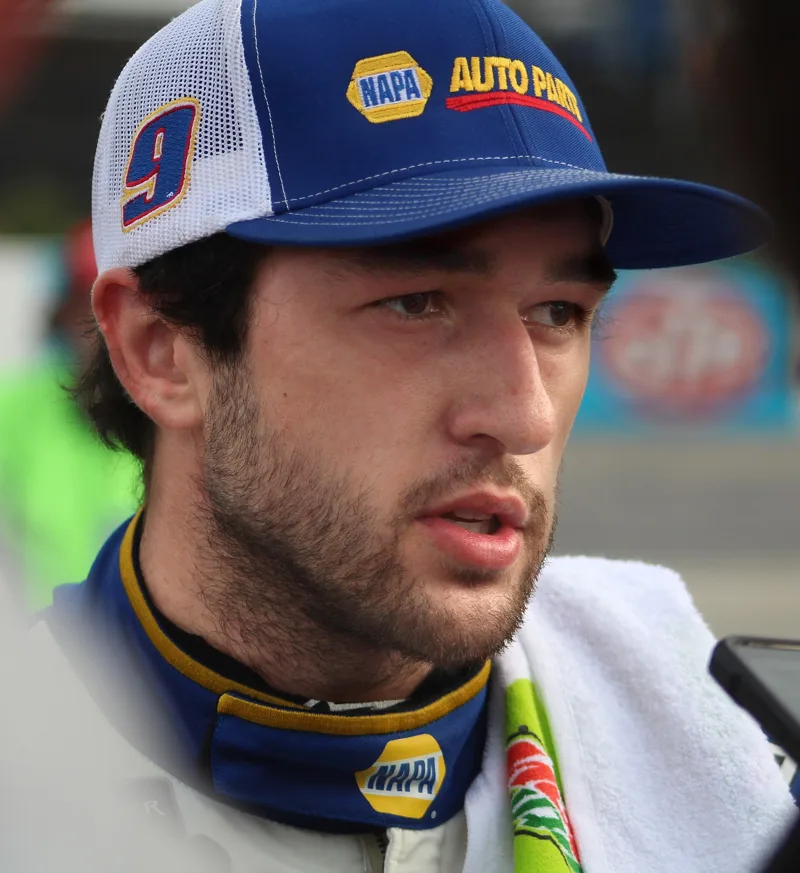
Phoenix also produced the most heated moment of the playoffs. Chase Elliott drove Denny Hamlin up the track and into the wall while the two were racing for the final Championship 4 spot, two weeks after an altercation between them at Martinsville. Kenseth was disqualified at Kansas after too many crew members had worked on his car following a crash, which removed him from the playoffs.
Which teams and drivers changed for 2017?
Several teams reshaped their line-ups before the 2017 season, with Furniture Row Racing expanding to two cars, Stewart-Haas Racing switching to Ford, and Joe Gibbs Racing filling the seat left by Carl Edwards. The changes affected both established teams and new faces trying to break in.
Edwards stepped away on January 11, 2017, and Daniel Suarez took over the No. 19 Toyota at Joe Gibbs Racing. Erik Jones moved into the second Furniture Row car at No. 77. Richard Petty Motorsports downsized to a single Ford, the No. 43, and Clint Bowyer moved into Stewart-Haas Racing's No. 14.
Three full-time drivers were in their final year: Earnhardt Jr., Kenseth and Patrick. Michael Waltrip also ran his last season, and the Chevrolet SS was replaced by the Camaro ZL1 for 2018. Stewart-Haas Racing's switch to Ford was one of the biggest manufacturer shifts of the year.
How did the Daytona 500 open the season?
The Daytona 500 opened the 2017 season with Kurt Busch winning the 59th running, giving Stewart-Haas Racing its first victory in the race. Chase Elliott started on pole for the second straight year, and 35 of the 40 starters were caught up in crashes.
The race was the first full test of the new stage format at the 500. Kyle Busch, Dale Earnhardt Jr. and Kevin Harvick were all caught in incidents, and a late restart produced a last-lap charge that Kurt Busch completed to take the lead. Michael Waltrip finished eighth in the 784th and final Cup start of his career.
The Can-Am Duel qualifying races were also points-paying for the first time since 1971. Chase Elliott won the first Duel, Denny Hamlin the second, and the field was set for the season's biggest race.
Which races shaped the middle of the season?
The middle of the season brought a run of winners, several of them first-time or long-awaited victories across the calendar. Brad Keselowski won at Atlanta, Ricky Stenhouse Jr. took Talladega, and Austin Dillon won the Coca-Cola 600 for his first career victory.
Dillon's win was the first for the No. 3 car since Dale Earnhardt won at Talladega in 2000. Jimmie Johnson ran dry with two laps left at Charlotte. At Dover, Johnson collected a third victory of the year and his 11th at that track, which lifted his career total to 83 and drew him level with Cale Yarborough.
Ryan Blaney earned his first career pole at Kansas, and he won at Pocono for his first career victory, the first Wood Brothers Racing win since 2011. Aric Almirola suffered a T5 vertebra compression fracture in a head-on crash at Kansas, and he was expected to be out for 8 to 12 weeks.
Why were some 2017 wins encumbered?
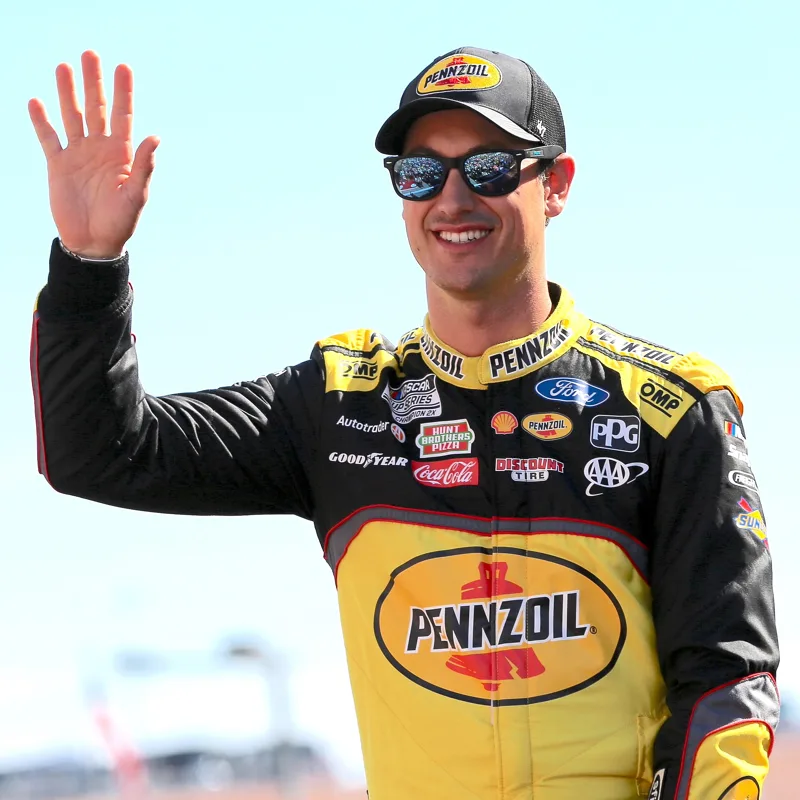
Two 2017 wins were encumbered after inspections, when teams were penalised for a rear suspension that sat higher than allowed. Joey Logano's Richmond victory and Denny Hamlin's Darlington victory were both affected, with the penalties announced days after each race.
Encumbering a win is a significant decision because it changes the official result and can alter playoff standings. Both cases were resolved through the post-race inspection process, which had been tightened for the season.
Race winners at a glance
| Race | Track | Winner |
|---|---|---|
| Daytona 500 | Daytona International Speedway | Kurt Busch |
| Atlanta | Atlanta Motor Speedway | Brad Keselowski |
| Las Vegas | Las Vegas Motor Speedway | Martin Truex Jr. |
| Phoenix | Phoenix Raceway | Ryan Newman |
| Talladega | Talladega Superspeedway | Ricky Stenhouse Jr. |
| Coca-Cola 600 | Charlotte Motor Speedway | Austin Dillon |
| Dover | Dover International Speedway | Jimmie Johnson |
| Pocono | Pocono Raceway | Ryan Blaney |
| Darlington | Darlington Raceway | Denny Hamlin |
| Homestead | Homestead-Miami Speedway | Martin Truex Jr. |
How did the spring races set the tone?
The early races produced a run of different winners, which kept the points race open for much of the spring. Martin Truex Jr. dominated at Las Vegas and held off Kyle Larson, although Brad Keselowski had led the early laps and later briefly regained the lead before a power problem changed the result.
At Phoenix, Ryan Newman won in overtime, the only win of his career for Richard Childress Racing and his first since 2013. Larson followed that with his second career win at Fontana, sweeping the weekend and showing that the new stage format could reward a strong car over a full run.
Keselowski's second win of the year came at Martinsville, and Jimmie Johnson took Texas for his seventh career win there. Johnson then won at Bristol in the following race, his second straight victory and his second at the track, which made him one of the early-season leaders in the points.
What incidents shaped the middle of the season?
The GEICO 500 at Talladega ended with Ricky Stenhouse Jr. taking his first career win, and it was Roush Fenway Racing's first Cup victory since 2014. The result also gave the No. 17 car its first win since Matt Kenseth in 2012, a long gap for a team that had struggled through the middle of the decade.
The most serious incident of the middle of the year came at Kansas. Joey Logano had a tyre go down and crashed into Danica Patrick, who hit the wall extremely hard. Aric Almirola then collided head-on with Logano and was extracted from his car, with a T5 vertebra compression fracture that kept him out for about eight to twelve weeks.
Several other wrecks changed the season's story. Kenseth lost his playoff place after a disqualification at Kansas, because more crew members than allowed had worked on his car after a crash, and Jimmie Johnson's Phoenix tyre failure ended his title hopes. The stories from the middle of the year showed how quickly a title race could change direction.
How did the playoff exits and survivors shape the finale?
The playoff rounds removed several of the sport's most recognisable names. Johnson was forced out after his tyre failure at Phoenix, and Kenseth was disqualified at Kansas. Kyle Larson's season ended after an engine failure at Kansas, and Denny Hamlin's title hopes ended in Phoenix after Chase Elliott drove him into the wall.
The Championship 4 that remained at Homestead was made up of Martin Truex Jr., Kyle Busch, Kevin Harvick and Denny Hamlin. Truex had built a strong regular-season lead, and the title was decided in the final race, where he controlled the closing stretch and kept Busch at bay.