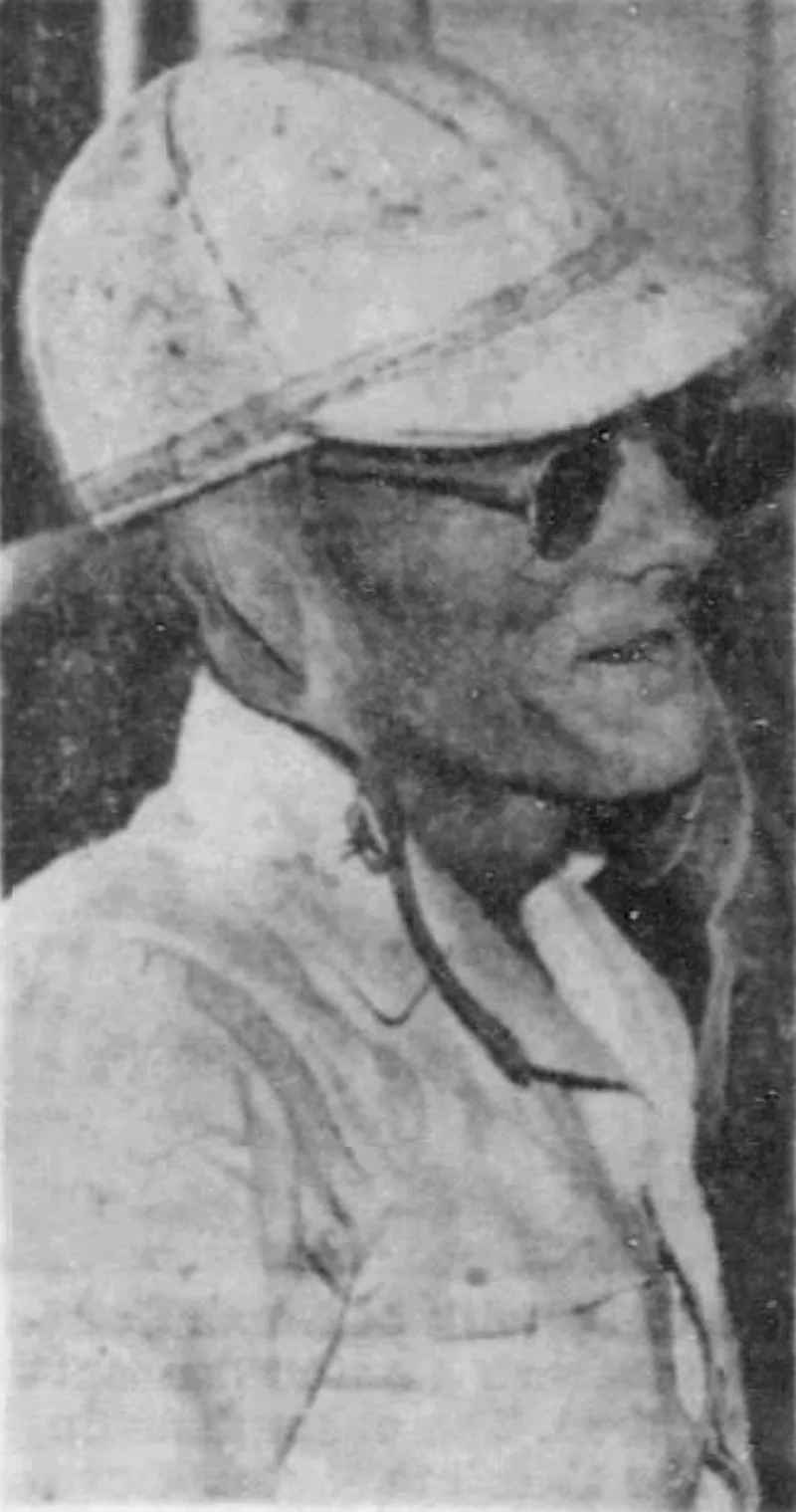
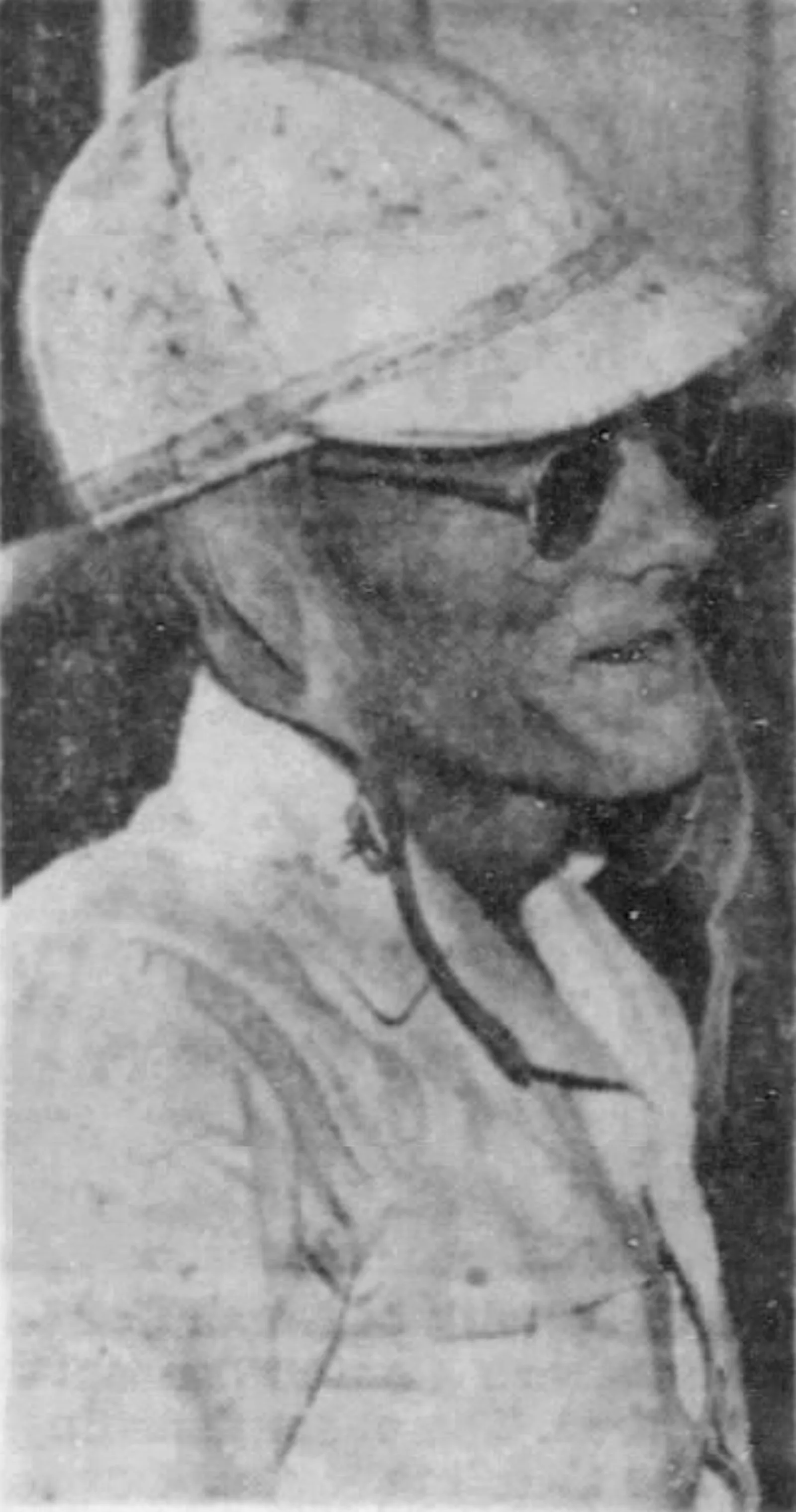
Nineteen races across eight states gave Bill Rexford the title in a season that launched the Southern 500 and produced the first NASCAR race with a name.
The 1950 Grand National season, the second year of stock car racing in America, ran 19 races at 14 circuits in eight states, with points tallied by purse size. Bill Rexford won the championship, and the first Southern 500 was held at Darlington.
The 1950 Grand National season was the second year of NASCAR's stock car championship. It ran 19 races at 14 circuits across eight states, from the Daytona Beach Road Course in February to Occoneechee Speedway in October, and it ended with Bill Rexford taking the title. The year also brought the inaugural Southern 500 at Darlington Raceway.
Who won the 1950 Grand National championship?
Bill Rexford won the 1950 Grand National championship while driving for Julian Buesink. He sealed the title with a 26th-place finish in the final race, held at Occoneechee Speedway on October 29, on the strength of the points he had built up across the season.
The title came even though Curtis Turner and Lloyd Moore spent parts of the year at the top of the standings. Turner's four wins kept him in contention for much of the year, and Tim Flock briefly took the lead after a fourth-place finish at Langhorne.
Rexford's season was built on consistency. He won the Poor Man's 500 at Canfield in May, collecting $1,400 including lap money, and he finished sixth at Vernon in June, which pushed him into the top ten of the standings for good.
Nineteen races, one controversial points system and a championship settled by a 26th-place finish in the final race.
How did the 1950 points system work?
Points for a race depended on its purse in 1950, so the value of a win varied from one event to the next. Most races carried prize money of around $4,000, and for those the winner earned 200 points, the runner-up 180, third place 160, and so on down the order.
The Southern 500 stood apart. Its purse of $25,325 was the largest of the season, and its winner collected 1,250 points. A driver who won that race alone could climb from far down the standings to sixth, which made the event a major turning point for the year's championship battle.
The lowest scoring place also changed from race to race, so the scoring was never fully consistent. Drivers who took part in races outside the sanctioned calendar lost points as well. Lee Petty was stripped of 809 points after one such event, and Red Byron and Glenn Dunaway had all of their points removed.
How did the season open at Daytona Beach?
The season's first race was staged at the Daytona Beach Road Course in early February, and Harold Kite won the 200-mile event. Driving a Lincoln, Kite set a race average of 89.894 mph on the 4.167-mile course, a record for the event.
It was Kite's first start in the Grand National series. A former tank driver who had started racing on the short tracks after the war, he took the lead from pole sitter Joe Littlejohn and traded it with Red Byron before running unchallenged over the back half of the 48-lap event. Byron finished second, 53 seconds behind.
Of the 41 cars that started, 21 were still running at the finish. The crowd was estimated at 9,500, and the sandy course was far from ideal. Tim Flock finished seventh despite a left front wheel that wobbled through every corner.
How did Curtis Turner dominate the middle of the year?
Curtis Turner won four races in 1950 at Langhorne, Martinsville, Rochester and Charlotte, and he led the most laps in several of them. His Oldsmobile was owned by John Eanes, and Turner took the pole for the Southern 500 later in the year.
At Langhorne in April, Turner won a 150-mile race at an average of 69.399 mph. Seven different lead changes marked the race on that one-mile dirt track, and only six of the 28 starters finished. Turner took home $1,500 for the win, a healthy payout for the era.
At Martinsville in May, Turner won a 150-lap race of 75 miles, finishing two full laps ahead of the field. Buck Baker had qualified on pole at 54.216 mph, but he faded to eighth. In early July Turner won at Rochester, averaging 50.614 mph over 200 laps of the half-mile dirt track.
The Rochester race was marred by an argument between Turner and Lee Petty at the inspection station, and both men were fined $100. The same event also featured the first father-and-son pairing in Grand National history, with Pappy Hough and Lee placing 18th and 25th. Turner closed out July with a win at Charlotte on July 23, leading every lap of the 150-mile race.
Which races broke new ground in 1950?
Several races in 1950 produced firsts for the series, from the first event held entirely on pavement to the first race with a name. Jimmy Florian gave Ford its first Grand National win at Dayton, and Bill Blair won at Vernon in front of a crowd of 15,000 on the first anniversary of the series.
The Dayton race on June 25 was the first NASCAR event held entirely on pavement. Florian passed Curtis Turner with 32 laps left, and he celebrated in victory lane without a shirt because of the heat. He later explained that no rule required him to wear one.
The Poor Man's 500 at Canfield on May 30 coincided with the Indianapolis 500 that day. Bill Rexford won the 100-mile race by two laps over Glenn Dunnaway, in front of a crowd of 11,000. Joe Merola brought a 1948 Tucker Torpedo, a car that was then drawing controversy, but it retired before he completed a lap. It holds the distinction of being the first named NASCAR race.
How did the year finish?
The later races included the inaugural Southern 500 at Darlington Raceway, where Johnny Mantz won the first race of that name. Its purse made it the richest event of the year, and its 1,250 points altered the standings more than any other single race.
At Charlotte Speedway on April 2, Tim Flock took his first major-league win, with his brother Bob a half lap behind. A crowd of 13,000 watched Lash LaRue greet Flock in victory lane.
The Southern 500 finish showed how deep the field was. Johnny Mantz won, Fireball Roberts was second, Red Byron third and Bill Rexford fourth, while Chuck Mahoney and Lee Petty completed the top six.
Fonty Flock won at Langhorne in September, and Leon Sales won the Wilkes 200 at North Wilkesboro. Dick Linder won at Vernon in October, having already won at Dayton and Hamburg in August, a run that kept him in the title hunt. Herb Thomas won the October race at Martinsville, the second edition of what would become the Old Dominion 500.
Lloyd Moore won at Funk's Speedway in Indiana on October 15. The season closed on October 29 at Occoneechee Speedway, where Lee Petty won the final race. Rexford's 26th place in that race was enough to secure the championship on the strength of his earlier results.
Race-by-race results for 1950
| Race | Date | Circuit | Winner |
|---|---|---|---|
| 1950-01 | February 5 | Daytona Beach Road Course | Harold Kite |
| 1950-02 | April 2 | Charlotte Speedway | Tim Flock |
| 1950-03 | April 16 | Langhorne Speedway | Curtis Turner |
| 1950-04 | May 21 | Martinsville Speedway | Curtis Turner |
| Poor Man's 500 | May 30 | Canfield Speedway | Bill Rexford |
| 1950-06 | June 18 | Vernon Fairgrounds | Bill Blair |
| 1950-07 | June 25 | Dayton Speedway | Jimmy Florian |
| 1950-08 | July 2 | Monroe County Fairgrounds | Curtis Turner |
| 1950-09 | July 23 | Charlotte Speedway | Curtis Turner |
| 1950-10 | August 13 | Occoneechee Speedway | Fireball Roberts |
| 1950-11 | August 20 | Dayton Speedway | Dick Linder |
| 1950-12 | August 27 | Hamburg Speedway | Dick Linder |
| 1950-13 | September 4 | Darlington Raceway (Southern 500) | Johnny Mantz |
| 1950-14 | September 17 | Langhorne Speedway | Fonty Flock |
| 1950-15 | September 24 | North Wilkesboro Speedway | Leon Sales |
| 1950-16 | October 1 | Vernon Fairgrounds | Dick Linder |
| 1950-17 | October 15 | Martinsville Speedway | Herb Thomas |
| 1950-18 | October 15 | Funk's Speedway | Lloyd Moore |
| 1950-19 | October 29 | Occoneechee Speedway | Lee Petty |
Which drivers and cars stood out in 1950?
Harold Kite, Curtis Turner and Bill Rexford defined the front of the field, but several other drivers left a mark. Red Byron, the defending champion, was a regular contender early in the year, although all of his points were later removed.
Fireball Roberts scored the first win of his career at Occoneechee in August, and he finished second at Hamburg, 20 yards behind Dick Linder. Johnny Mantz won the inaugural Southern 500, and earlier in August he had plowed through a guardrail at Dayton, a crash that cut that race short by five laps.
Ann Chester became the fourth woman to race in Grand National events, at Vernon, but her Plymouth struggled from the start and she ended 22nd among 23 starters. At Rochester, Dick Burns hit a light pole with his Mercury late in the race and was left shaken.
How did the final standings take shape?
The 1950 standings were shaped as much by points deductions and purse-based scoring as by race wins. Curtis Turner held the top spot for long stretches, but Bill Rexford's steady results carried him to the title despite a 26th-place finish in the last race.
Blair's Mercury finished comfortably ahead of Lloyd Moore at Vernon, and Moore's standings lead over Tim Rock grew to 216.5 points, since Rock was not entered that day. Chuck Mahoney was third, while Dick Burns finished fourth and Lee Petty fifth.
Turner's second place at Occoneechee in August kept him at the top of the table, and his 23rd place at Dayton did not dislodge him. Lloyd Moore moved ahead of Tim Flock by 36.5 points after the Poor Man's 500, where Flock had finished ninth.
Flock's season was uneven. A fourth place at Langhorne lifted him to the points lead for a short time, and his ninth at Canfield kept him in contention, but he was never able to build a commanding margin before the late races.
Rexford's season had been a long run of finishes in the top ten. He had already taken sixth at Vernon, and his 26th at Occoneechee was enough to secure the title ahead of the drivers who had led the standings earlier in the year.