From fibreglass buggies on Beetle chassis to the BR-800 city car, the Gurgel works built Brazil's own cars until funding talks collapsed in 1994.
Gurgel was a Brazilian car maker founded in 1969 by Joao do Amaral Gurgel. It built fibreglass buggies, the Xavante and X-12, and the BR-800, Brazil's first fully domestic car, before a planned new plant lost state funding and the company failed in 1994.
Gurgel was a Brazilian automobile manufacturer, named after its founder Joao do Amaral Gurgel. It began in 1969 making buggies and off-road vehicles, before going on to build the first car designed and manufactured in Brazil, the BR-800. The company ended in bankruptcy in the mid-1990s, after its planned new plant lost state funding.
Where did Gurgel start?
Gurgel was founded in 1969 and started with buggies and off-road vehicles. Its early models used fiberglass bodies on Volkswagen Beetle chassis and running gear. The first car from the company was the Ipanema, which introduced the brand to the market.
Later bodies moved to Plasteel, or to steel joined with fiberglass through a process that Gurgel patented. The BR-800 was the first car fully designed and manufactured in Brazil.
A Brazilian maker that built its own city car, then lost its last plant to a dispute over funding.
What was the Xavante and how did it sell?
The Xavante, also known as the X-10, was the first commercial success of the brand, with production starting in 1973. It was the first Gurgel car developed with the Plasteel system, which proved very resistant under corrosive conditions and strong under shock. The body deformed temporarily under a hard knock but did not smash.
The Xavante also introduced a feature called Selectraction. Two individual hand-brakes sat beside the driver and worked on each rear wheel, so a spinning wheel on a slippery surface could be stopped to move the drive to the other one. That let the driver restore grip and keep moving, which mattered on the rough roads the car was built for.
A more sophisticated version, the X-12, became the biggest commercial success of the brand. Several thousand Xavantes were built in the 1970s, and the X-12 kept the line going through the 1980s.
What electric and utility vehicles did Gurgel build?
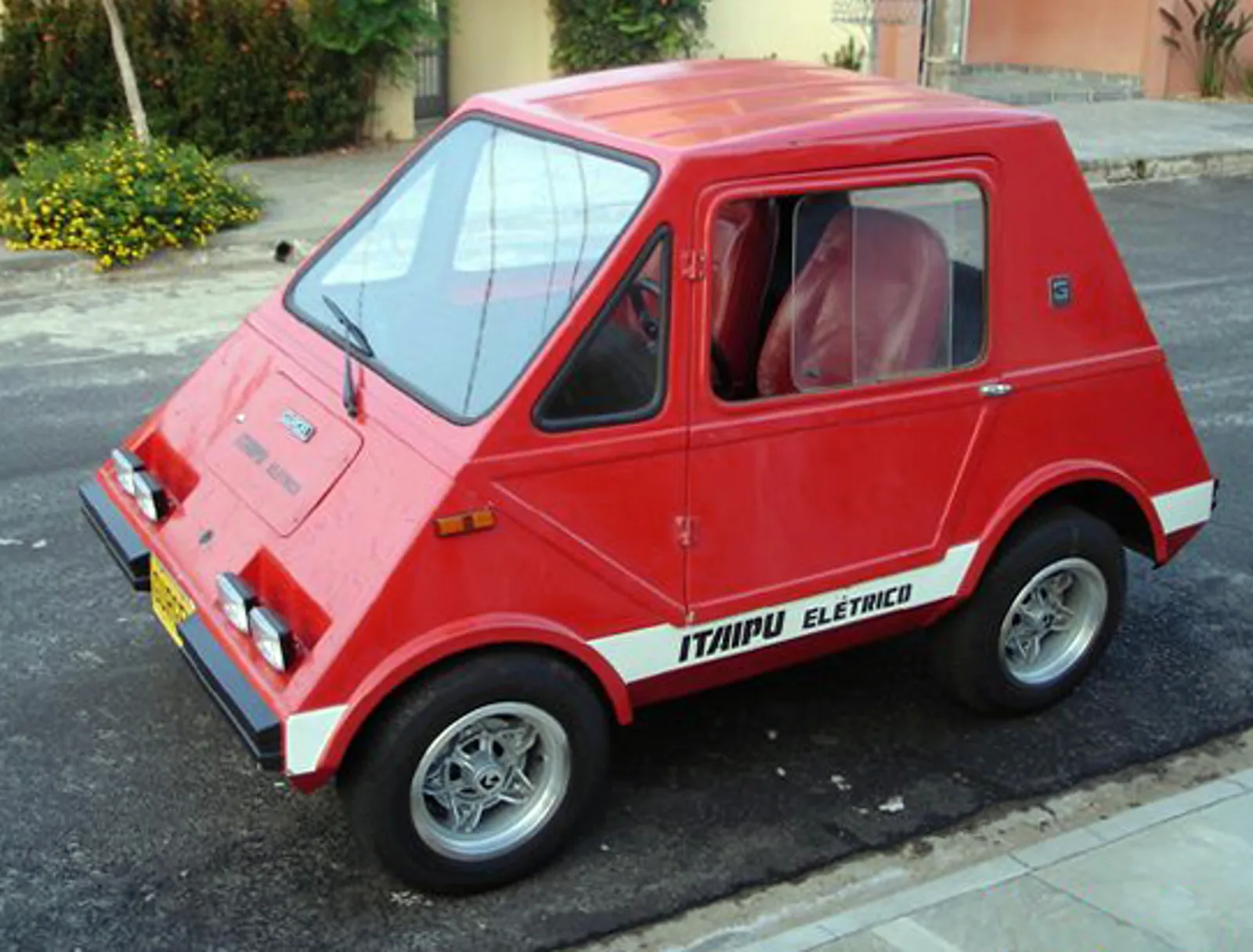
The Itaipu was a pioneering electric vehicle project in 1974, designed as a strict urban car for short trips. Battery technology of the time was too heavy and offered too little capacity, so the project was halted. In 1980 the Itaipu E400 followed as a van, with better autonomy, and the same body was also listed with a petrol engine as the G-800.
The X-15 van of 1979 could take 7 passengers, or 2 passengers plus 500 kg of load. Its derivative, the G-15L, took a 1 ton payload, with a 70L fuel tank that could be doubled to 140L by fitting an extra tank. Gurgel was the first exporter of special vehicles in 1977 and 1978, and it ranked second in production and volume in both years.
The XEF of 1981 was an unusual urban design with three front seats. Its dimensions were small for both passengers and luggage, and only one hundred were made. In 1984 the Carajas followed, which used the same Selectraction system as the Xavante and X-12 and a Tork Tubing System (TTS) that carried power from the front engine to the rear transmission.
What was the Gurgel BR-800?
The BR-800 came from a long-held goal of Joao Gurgel for a small, economical and wholly national car. On 7 September 1987, a day Gurgel himself called the day of Brazilian technological independence, the CENA project was presented. A tax benefit cut the IPI rate to 5% for the project, which aimed to compete with the big automakers on price.
The engine, the Gurgel Enertron, was designed and developed entirely in-house. It was a bi-cylinder unit in 650 cc or 800 cc form, with fully electronic ignition using two coils and no distributor. It delivered 14 km/L in urban traffic and 19 km/L on the road at constant speed, without electronic fuel injection. It resembled the Volkswagen Beetle boxer in layout, but its sealed water-cooled system and better compression ratio were improvements.
The BR-800 used the 800 cc engine and produced 32 PS. Its Plasteel body weighed only 650 kg and measured 3.19 metres, making it the smallest car ever produced in Brazil. It first went on sale in 1988 under a scheme that required buyers to acquire shares in Gurgel. The car cost about US$5,000, but buyers also had to buy 750 shares for another US$5,000, which made it far dearer than the US$7,000 Chevrolet Chevette, then the cheapest car on the Brazilian market.
The share requirement lasted until 1990, when the car was sold independently of the shares. That year the federal government extended the IPI reduction to all cars below 1000 cc, which let rival makers develop one-litre models of existing cars.
What happened to the later Gurgel models?
The Supermini arrived in 1992 with a better finish, 36 PS, more robust suspension, an improved window system and a proper boot lid. It was the evolution of the BR-800 and built from 1991 to 1994. In 1991 Gurgel also released the Motomachine, a shortened two-seat roadster based on the BR-800, and only 177 were built.
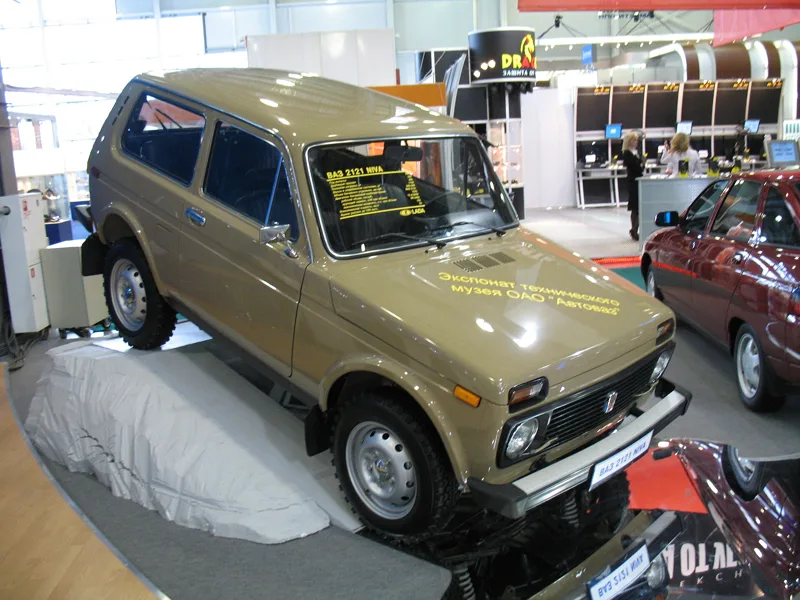
The Carajas had been Brazil's best-selling SUV, but it was taken out of production in early 1991 as the Lada Niva arrived in Brazil. When President Fernando Collor took office in March 1990, he opened the market to foreign products, and national industry suffered from the new competition. Many Gurgel loyalists saw the extended IPI cut as a betrayal, because Fiat quickly answered with the Uno Mille and prices came close together.
Why did Gurgel collapse?
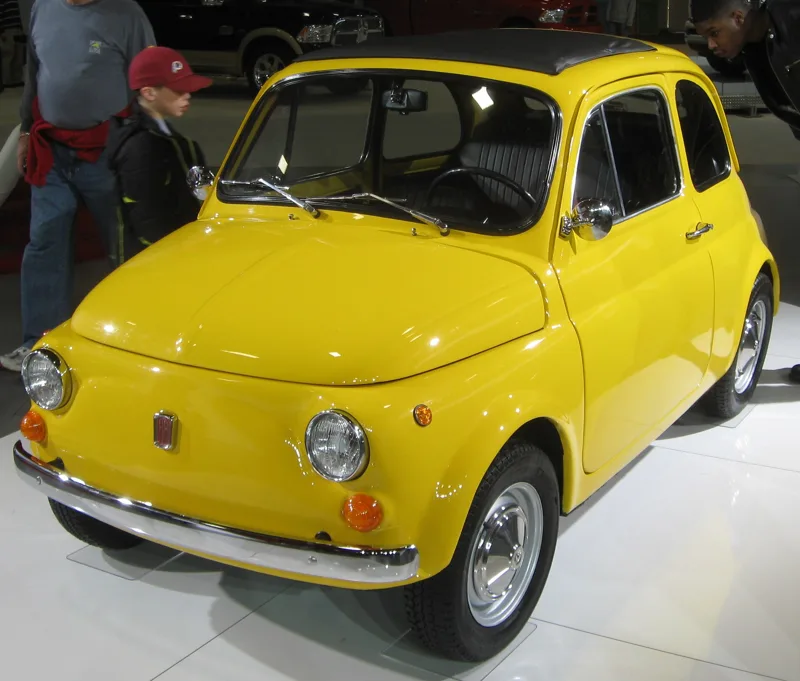
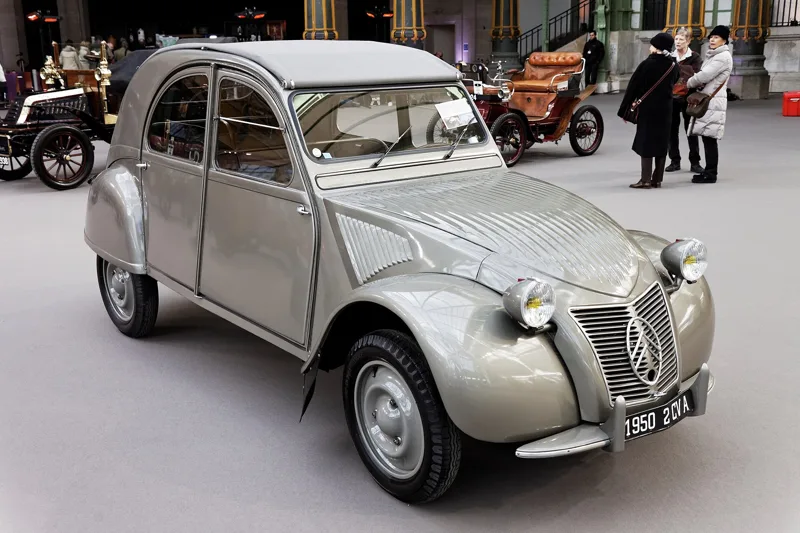
Gurgel had gained valuable experience and feedback from BR-800 buyers and investors. It used that input to plan the Gurgel Delta, a cheaper car aimed at lower-income buyers and built in a new plant near the northeast market. Gurgel had already bought 650000 square meters of land for the new factory and negotiated the purchase of 2CV machinery from Citroen.
In December 1991 the governors of Ceara and Sao Paulo signed letters of intent to fund the company with US$30 million and US$50 million. BNDES would add US$25 million if both states confirmed their money. Ceara did not confirm the funding in later years, and support from Sao Paulo and BNDES was lost with it. The schedule slipped, and in 1993 Gurgel entered a preventive bankruptcy.
Gurgel tried to reach an agreement with the federal government and presented the Delta project to President Itamar Franco. A technical note from the Ministry of Industry, Commerce and Tourism called for immediate action, but no funding followed. On 1 March 1994 the company had its first collapse. The administration appealed, but by the end of 1994 the doors were closed and locked.
Joao Gurgel blamed the then governor of Ceara, Ciro Gomes, for the financial meltdown. Gomes argued that Gurgel had borrowed heavily before signing and never repaid the money, in the hope that the state would take on the debt. That dispute led to the suspension of the deal between the company and the State of Ceara.
What became of the Gurgel name?
The Gurgel trademark expired after the company's collapse and was bought by another business. It is now used by a small Brazilian importer of tricycles, and the current Gurgel has nothing in common with the original company except the name.
The original vehicles are still running on Brazilian roads. It is not uncommon to see X-12, Tocantins, Supermini and BR-800 models, despite fewer specialised workshops and a lack of replacement parts. Joao do Amaral Gurgel, born in 1926, developed Alzheimer's disease after the bankruptcy and died in Sao Paulo on 30 January 2009.
Gurgel models at a glance
| Model | Years | Detail |
|---|---|---|
| Xavante X-10 | From 1973 | First commercial success; Selectraction and Plasteel body |
| Itaipu | From 1973 | Electric prototype, never sold |
| XEF | 1981 | Three front seats, one hundred built |
| X-12 | 1980s | Biggest commercial success of the brand |
| Carajas | 1984 to January 1991 | VW Santana 1.8 engine, Tork Tubing System |
| BR-800 | 1988 to 1991 | 32 PS, 650 kg, 3.19 metres long |
| Motomachine | 1991 | Two-seat roadster, 177 built |
| Supermini | 1991 to 1994 | 36 PS, improved finish |
| Tocantins | Evolution of the X-12 | Exported to 40 countries |