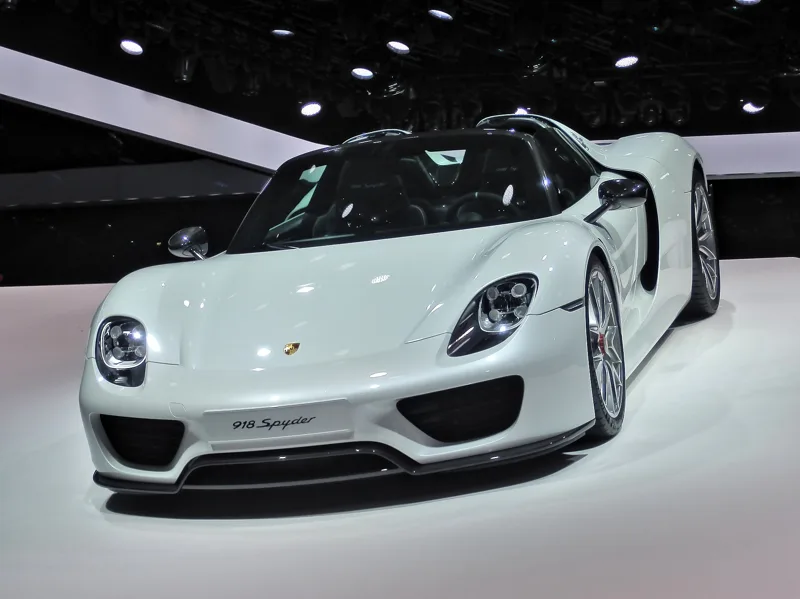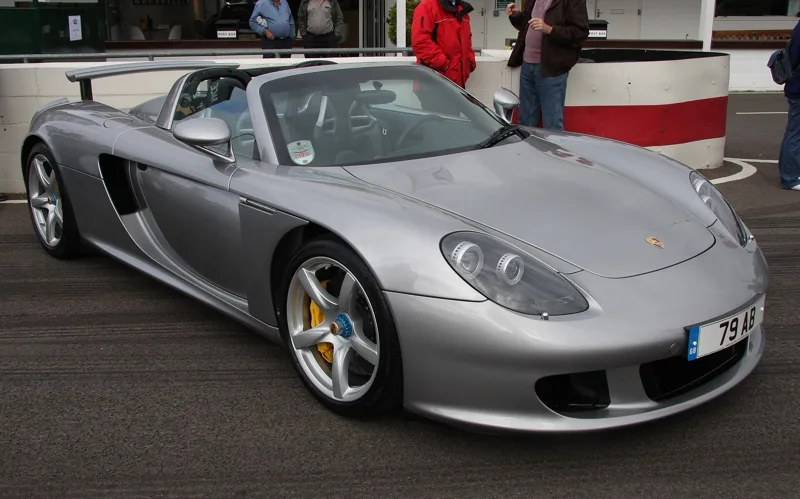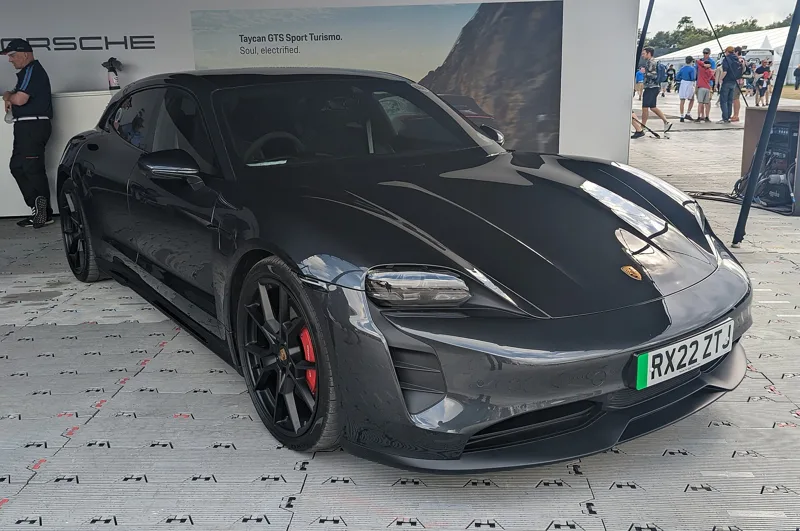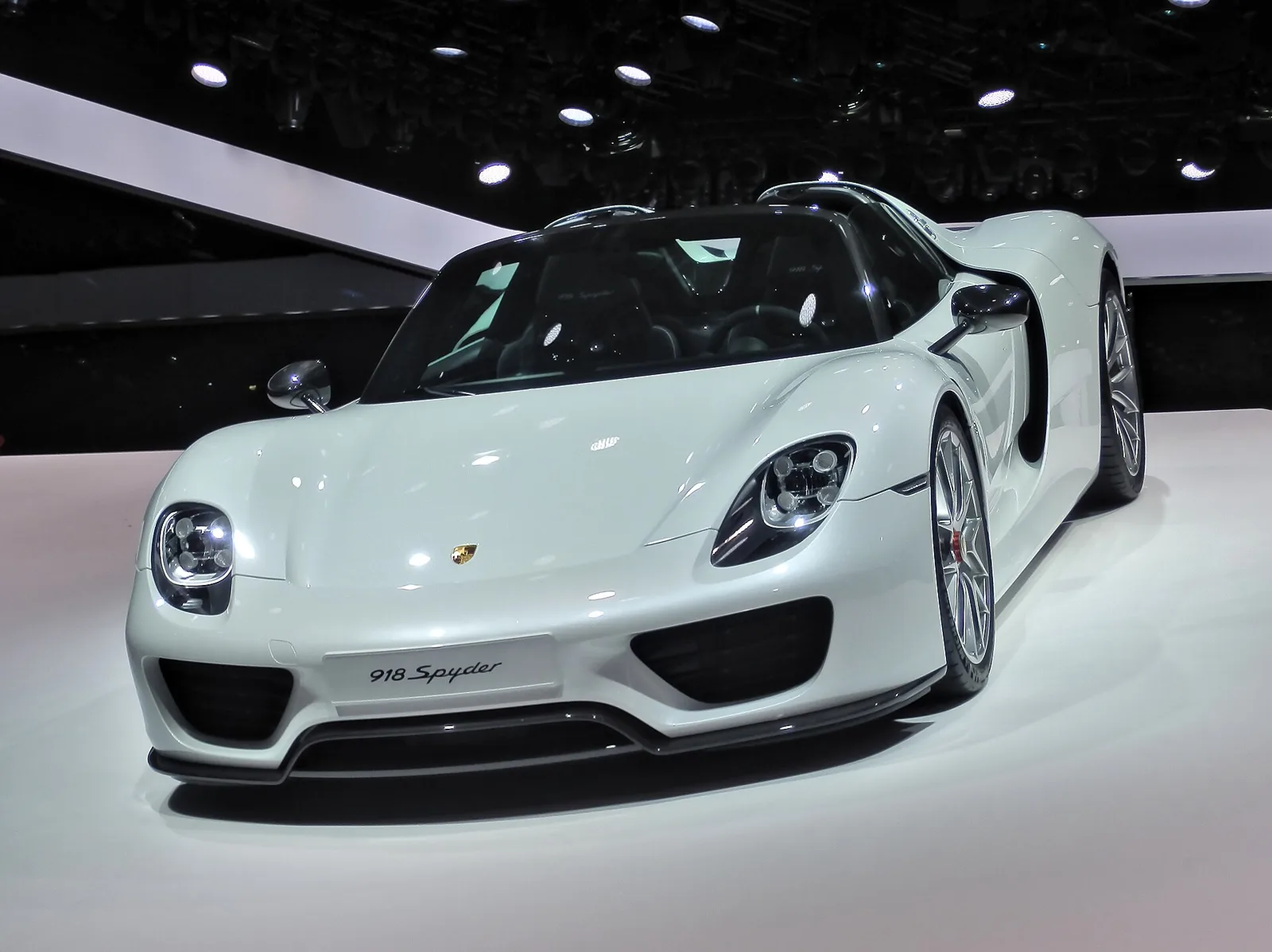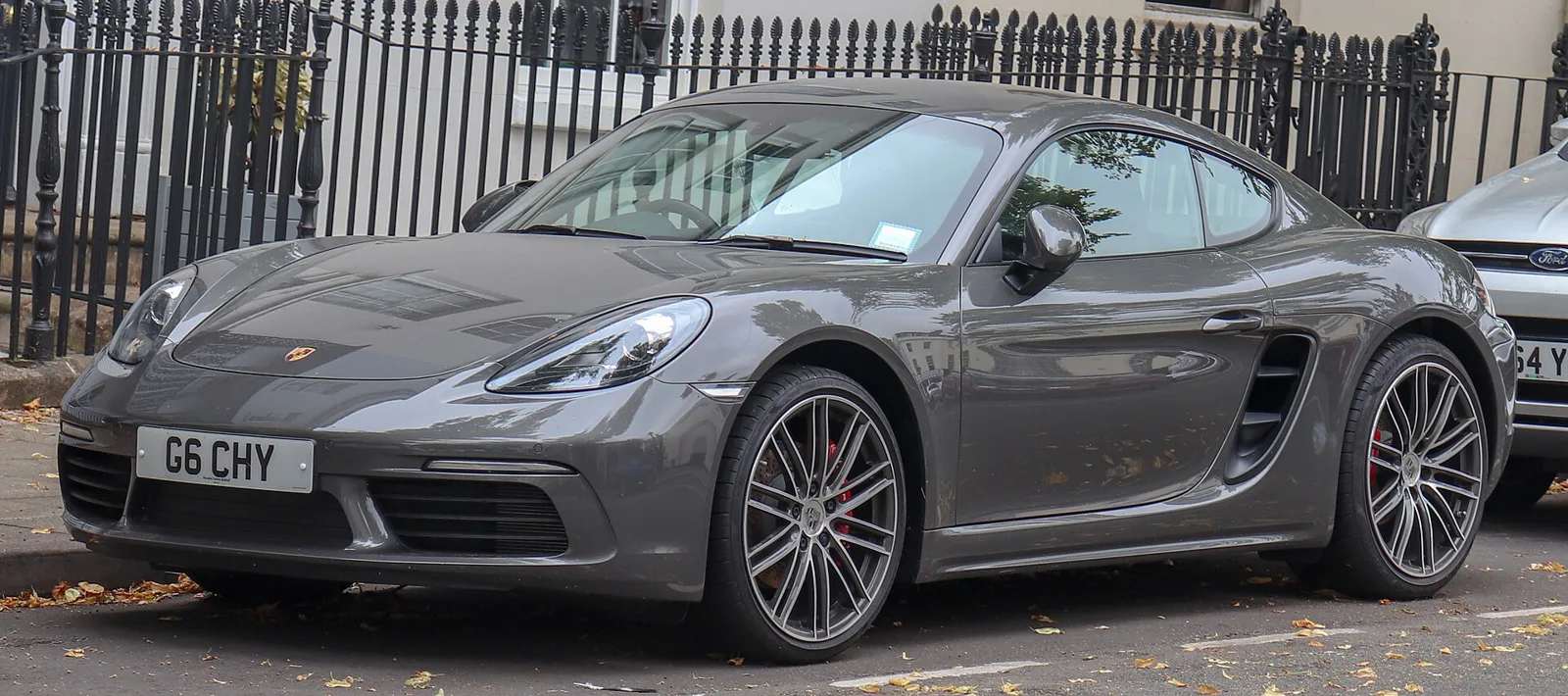
The fourth generation Boxster and third generation Cayman, from turbocharged fours to the GT4 RS and an electric GT4 concept.
The Porsche 982 is the fourth generation of the Boxster and third generation of the Cayman, sold as the 718 range after Porsche moved to turbocharged flat-fours. The line later added GTS, GT4, Spyder and electric concept variants, and the GT4 and Spyder production ended in October 2025.
The 982 was the internal code for Porsche's fourth Boxster and third Cayman. Once the range moved to turbocharged flat-fours it was sold as the 718, and it grew to include T, GTS, GT4 and Spyder versions. The cars are known for their engine sound debate, their track-focused variants and an electric GT4 concept.
What is the Porsche 982?
The Porsche 982 is the internal designation for the fourth generation Boxster and third generation Cayman. It was sold as the 718 Boxster and Cayman after Porsche moved to turbocharged flat-four engines. The model line later spanned the T, GTS, GT4 and Spyder variants.
The first 718 was the Boxster, which went on sale in January 2016 and made its public debut at Geneva that year. The Cayman followed in April with its own debut at the Beijing show, so the two bodies arrived within a few months of each other.
The exterior was an evolution of the third generation rather than a redesign. The most visible change is a long black trim bar that connects the two taillights at the rear, while the headlights and bumper were reworked heavily.
The 718 name recalls light racers that beat bigger, more powerful rivals.
How did the 718 name come about?
Porsche chose the 718 name because of the 718 racer that won the Targa Florio in 1959 and 1960. The name was meant to recall light cars that beat rivals with less power, and it reflected the switch to turbocharged flat-fours.
The original 718 was a light competition car, and the name evokes a history of success with machines that out-manoeuvred larger and more powerful opponents.
Inside, the cabin stayed close to the 981 Cayman and Boxster and to the 991.2 generation of the 911. The main change was the PCM 4.0 infotainment system, which replaced the PCM 3.1 unit.
What engines did the 718 Boxster and Cayman use?
The base models used a 2.0-litre turbocharged flat-four, while the S models used a 2.5-litre version. The S turbocharger used Variable Turbine Geometry, a design specific to the S model.
The new engines gave more torque and horsepower than the units they replaced while using less fuel. That combination was the central engineering aim of the range.
The GTS brought a 2.5-litre engine rated at 365 PS (360 hp; 268 kW). The Boxster could reach 60 mph in 4.1 seconds, while the Cayman managed 3.9 seconds.
How did the T and GTS models differ?
The T models were sport-focused versions of the base cars and kept the 2.0-litre engine. The GTS models were the more powerful step, with a 365 PS engine and larger intakes.
The T added a 20mm drop sport suspension, a limited-slip differential and a GT4 short shifter. Titanium Grey touches included the rear badging and mirror caps, and the door pull straps replaced the standard handles.
The GTS gained 15 horsepower over the S, and it was offered in carmine red for $2580 as an option. Porsche used that colour widely in its advertising for the GTS.
What did the GTS 4.0 change?
The GTS 4.0 used the naturally aspirated 4.0-litre flat-six from the Cayman GT4 and Boxster Spyder, and it reached 60 mph in 4.3 seconds. It was de-tuned to 294 kW (400 PS; 394 hp) for road use.
A PDK gearbox became available for the GTS 4.0, and it cut the 0-60 mph time to 3.9 seconds. The change removed the turbocharged four-cylinder from the GTS line entirely.
Many reviewers felt the 2020 GTS 4.0 answered most of the sound complaints that had followed the turbocharged cars.
How did the 718 sound and drive?
Reviews praised the handling, but the engine sound was the most contentious point. Car and Driver called it raspy and uncouth, and Top Gear said it cheapened the Porsche experience and made the car less cultured than before.
Motor Trend's Ignition matched the new Cayman against the outgoing 981 GT4 and decided its gains were strong enough to beat the GT4 for less money. The team judged the trade-off in sound to be probably worth it for the gain in performance.
The GTS sound was judged better. A New York Times contributor said the bigger intakes and turbo gave the car a more pleasing tone, while Evo argued that the GTS did not achieve much more than the Cayman GTS it replaced.
What were the GT4 and Spyder?
The 718 Cayman GT4 and 718 Spyder were revealed in June 2019, and the Spyder was previously named the Boxster Spyder. Both used a naturally aspirated 4.0-litre flat-six with more aggressive bodywork and a lower stance than the less powerful models.
The engine is rated at 309 kW (414 hp; 420 PS) at 7,600 rpm and delivers 420 N-m (310 lb-ft) of torque between 5,000 and 6,800 rpm. It features cylinder deactivation, which was a first for Porsche.
The GT4 claims 304 km/h (189 mph) flat out, against 301 km/h (187 mph) for the Spyder. The GT4 produces up to 150 kg (330 lb) of downforce, half as much again as its predecessor, and both cars used front suspension and brakes from the 911 GT3.
In the 2021 model year a PDK option appeared, which cut the 0-60 mph time from 4.3 to 3.7 seconds. Production of the GT4 and Spyder was extended through the 2025 model year and ended in October 2025.
What did the GT4 RS add?
The 718 Cayman GT4 RS, unveiled in 2021, marked the first time a Cayman carried the RS treatment, which Porsche normally keeps for its 911s. Its output is 500 PS (368 kW; 493 hp), with torque peaking at 450 N-m (332 lbf-ft) and a 9,000 rpm ceiling.
The GT4 RS accelerates from 0 to 100 km/h in 3.4 seconds. Its swan-neck rear wing generates 25% more downforce than the GT4, which helps explain the car's lap-time advantage.
On the Nordschleife, the GT4 RS was 23 seconds faster than the GT4. Its adaptive dampers and ABS were borrowed from the 911 GT3 RS, which links the car to Porsche's most serious road models.
What motorsport versions were built?
The main racing version was the GT4 Clubsport, unveiled on 3 January 2019 with a 3.8-litre naturally aspirated flat-six. It came in Competition and Trackday variants, and the GT4 RS Clubsport followed in November 2021.
The Clubsport engine produces 425 PS (419 bhp; 313 kW) at 7,500 rpm and drives through a 6-speed PDK gearbox. The kerb weight is 1,320 kg (2,910 lb), and the Competition version carries a 115-litre fuel cell while the Trackday version uses an 80-litre cell.
The Porsche Sprint Challenge GB series ran on GT4 Clubsport cars. The GT4 RS Clubsport makes 500 PS (368 kW; 493 hp) at 8300 rpm, with 465 N-m (343 lbf-ft) of torque at 6600 rpm.
An R-GT rally version was planned for the 2020 season, but it was previewed only through a prototype built on the 981 platform. Reviewers questioned whether a production racer would ever reach the track.
What is the GT4 e-Performance?
The 718 Cayman GT4 e-Performance is a battery electric car sharing its drivetrain with the Porsche Mission R, first shown in May 2022. It uses an 82 kWh battery at a nominal 900 V,
In qualifying mode the car can deliver up to 800 kW (1,073 hp) through two traction motors. Race mode limits output to 450 kW (604 hp), which is intended to sustain performance over a typical 30-minute race.
Maximum recharging is 350 kW, which takes the battery from five to eighty percent in fifteen minutes. The estimated curb weight is 1,500 kg (3,300 lb), and the body is 5.5 in (140 mm) wider than the Clubsport.
The battery is split into three segments: one behind the seats where a combustion engine would sit, one at the front where the fuel tank would be, and one in the passenger footwell.
What were the 718 specifications?
| Model | Engine | Power | Performance |
|---|---|---|---|
| 718 Boxster and Cayman | 2.0-litre turbocharged flat-four | Not recorded | Not recorded |
| 718 Boxster S and Cayman S | 2.5-litre turbocharged flat-four | Not recorded | Not recorded |
| 718 Boxster and Cayman GTS | 2.5-litre flat-four | 365 PS (360 hp; 268 kW) | 0-60 mph in 4.1 seconds (Boxster), 3.9 seconds (Cayman) |
| 718 GTS 4.0 | 4.0-litre flat-six, de-tuned | 294 kW (400 PS; 394 hp) | 4.3 seconds to 60 mph; 3.9 seconds with PDK |
| 718 Cayman GT4 and Spyder | 4.0-litre naturally aspirated flat-six | 309 kW (414 hp; 420 PS) at 7,600 rpm | 304 km/h (189 mph) GT4; 301 km/h (187 mph) Spyder |
| 718 Cayman GT4 RS | 4.0-litre naturally aspirated flat-six | 368 kW (500 PS; 493 hp) | 0-100 km/h in 3.4 seconds |
| 718 Cayman GT4 e-Performance | Battery electric, 82 kWh | 800 kW (1,073 hp) in qualifying mode | Not recorded |