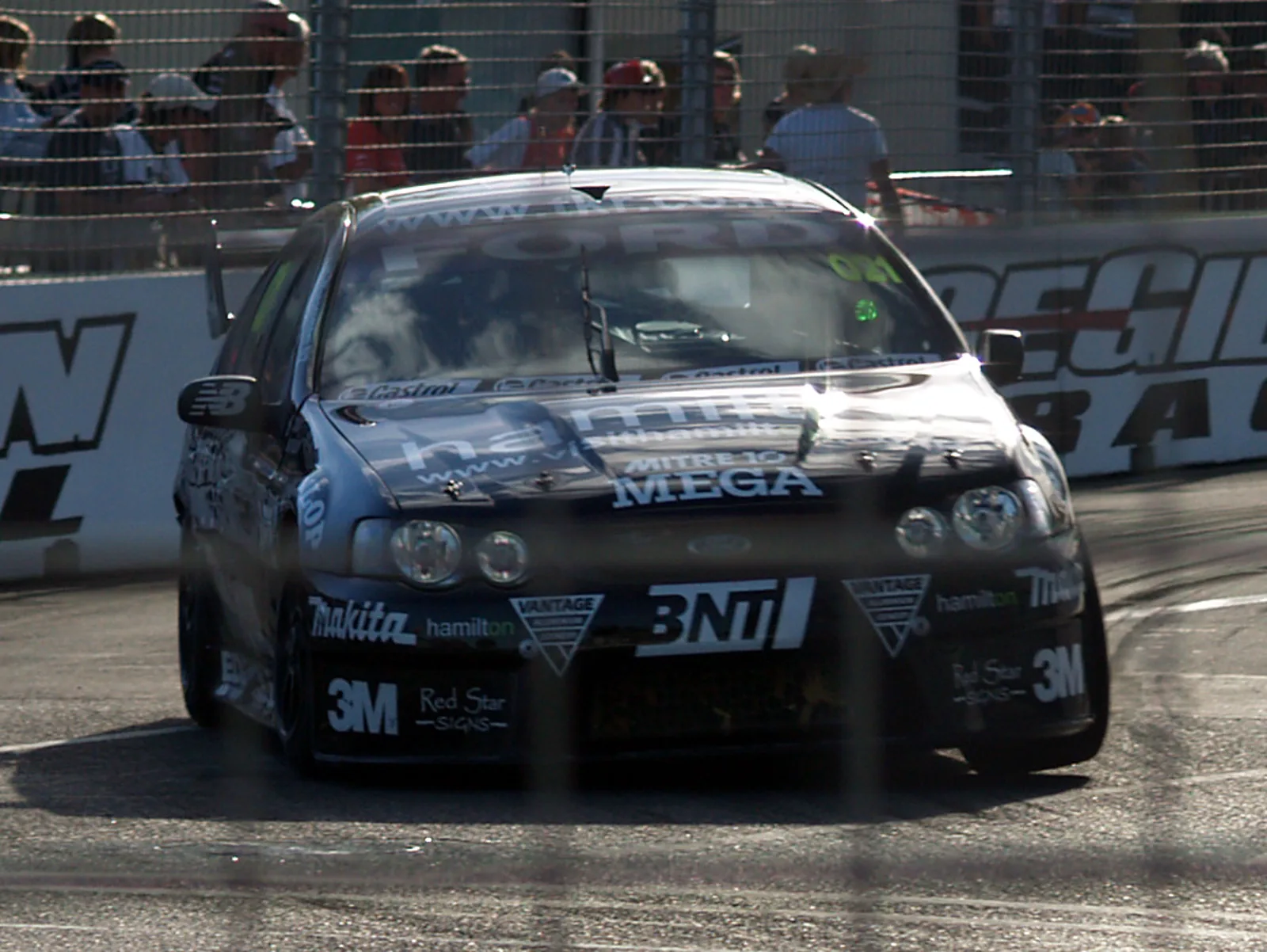
A New Zealand team founded in 1999 that won back-to-back national titles, took its All Black Supercar to Bathurst in 2000 and now focuses on developing young Kiwi drivers.
Team Kiwi Racing is a New Zealand motorsport team founded in 1999 that won back-to-back New Zealand titles before racing in Australian V8 Supercars from 2000. It later supported young Kiwi drivers through a development academy and scholarship programme.
Founded in 1999, this New Zealand squad has competed in both domestic and international series. Its programme has covered the Australian V8 Supercars, the Porsche Carrera Cup, New Zealand touring car and NZV8 championships, BMW Mini Challenge and endurance racing, which makes it one of the most varied squads in the region.
The team has always had a development purpose. From its earliest seasons it has put young New Zealand drivers into its cars, offering financial support and guidance, and that work now underpins its scholarship programme and its driver academy.
How did Team Kiwi Racing start in New Zealand?
The team debuted in 1999 in the New Zealand touring car championship. Owner David John built two Nissan Primeras to challenge a factory-supported BMW squad, and gave the seats to Jason Richards and Angus Fogg. Both drivers also worked for the team, Richards on promotions and Fogg in the workshop.
The debut was a sensation. Richards finished first and Fogg second in the championship, ending the BMW team's dominance. Richards went on to win the title in 2000 and again in 2001, while Fogg finished second in 2000 and third in 2001. The back-to-back titles established the squad as a force at home.
Built from a small New Zealand squad and two Nissan Primeras, the team took a New Zealand car to Bathurst and then turned its energy to developing young drivers.
What was the first Supercars season like?
In 2000 David John took the team across the Tasman to Bathurst, where it debuted in November as the first New Zealand based squad in the Australian V8 Supercar Championship. Its car, numbered #777, finished 16th out of more than 50 starters.
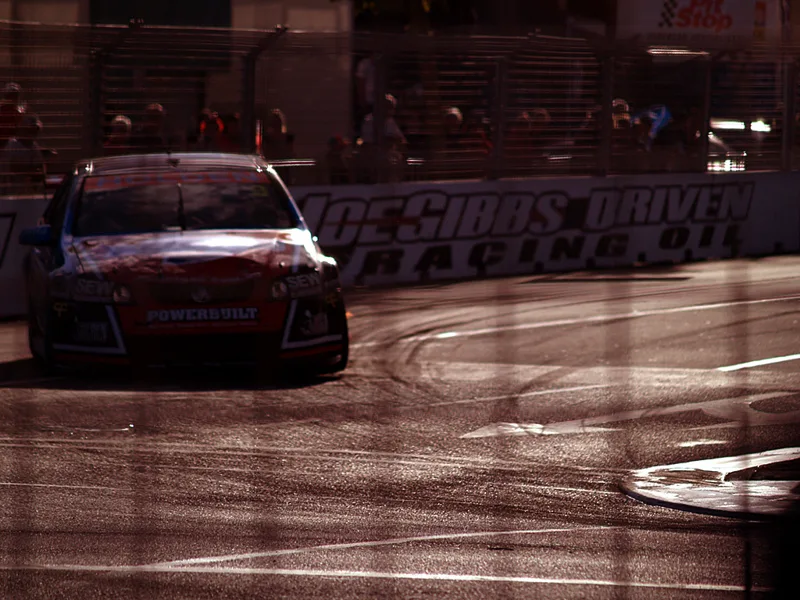
In 2001 the team ran two cars at Adelaide and Pukekohe, but midway through the year it concentrated on a single car for Richards. The team competed as a privateer, without factory support, and it used Holden cars until the end of 2006. Its first Supercars podium came at the Canberra street race, and it took its first pole came at Winton in 2004, in very difficult conditions.
Results built steadily from there. The team earned third in the 2005 Shanghai round, sixth in Perth after leading the race for most of it, a top eight finish at Bathurst and a third place in race two at Canberra. Those results were built without factory money, which made them all the more notable.
What happened after the 2006 Bathurst crash?
At the 2006 Bathurst 1000, Paul Radisich hit a tyre barrier head-on at around 200 km/h and the car ended up on its roof. The roof had to be cut away to free him, and the car was too badly damaged to race at the following Indy 300.
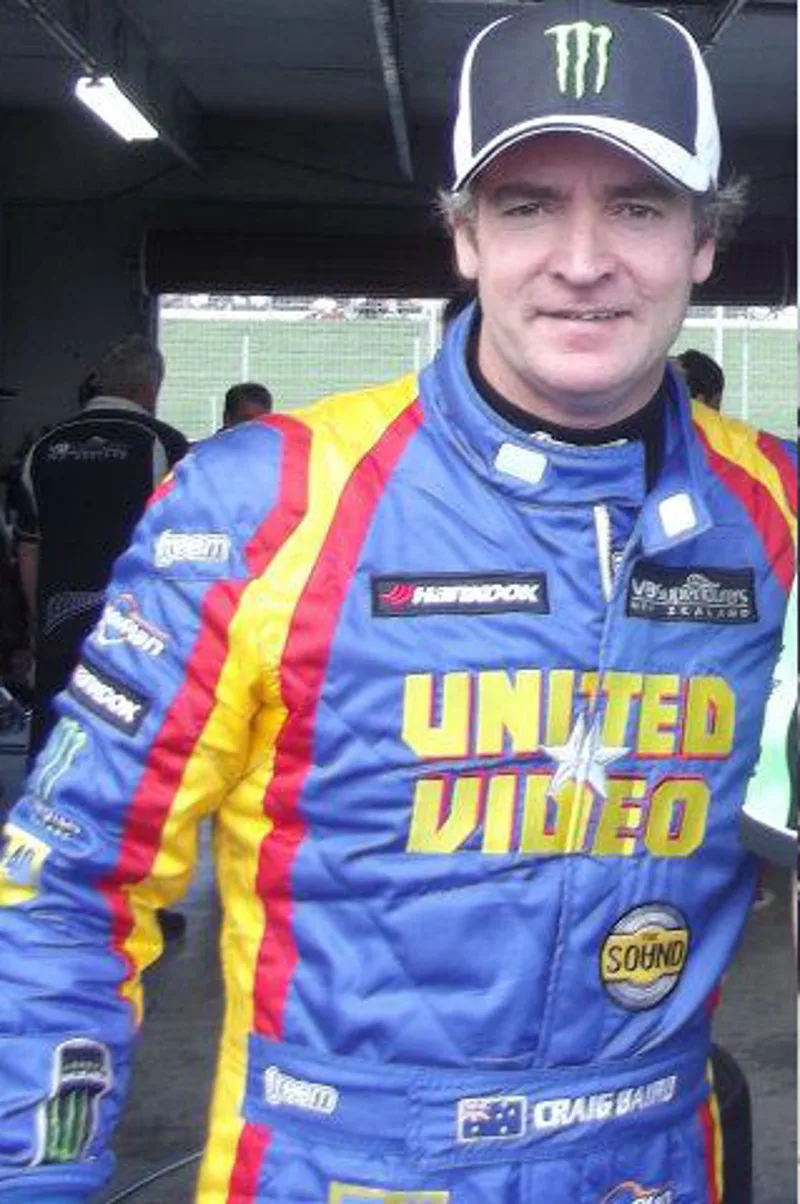
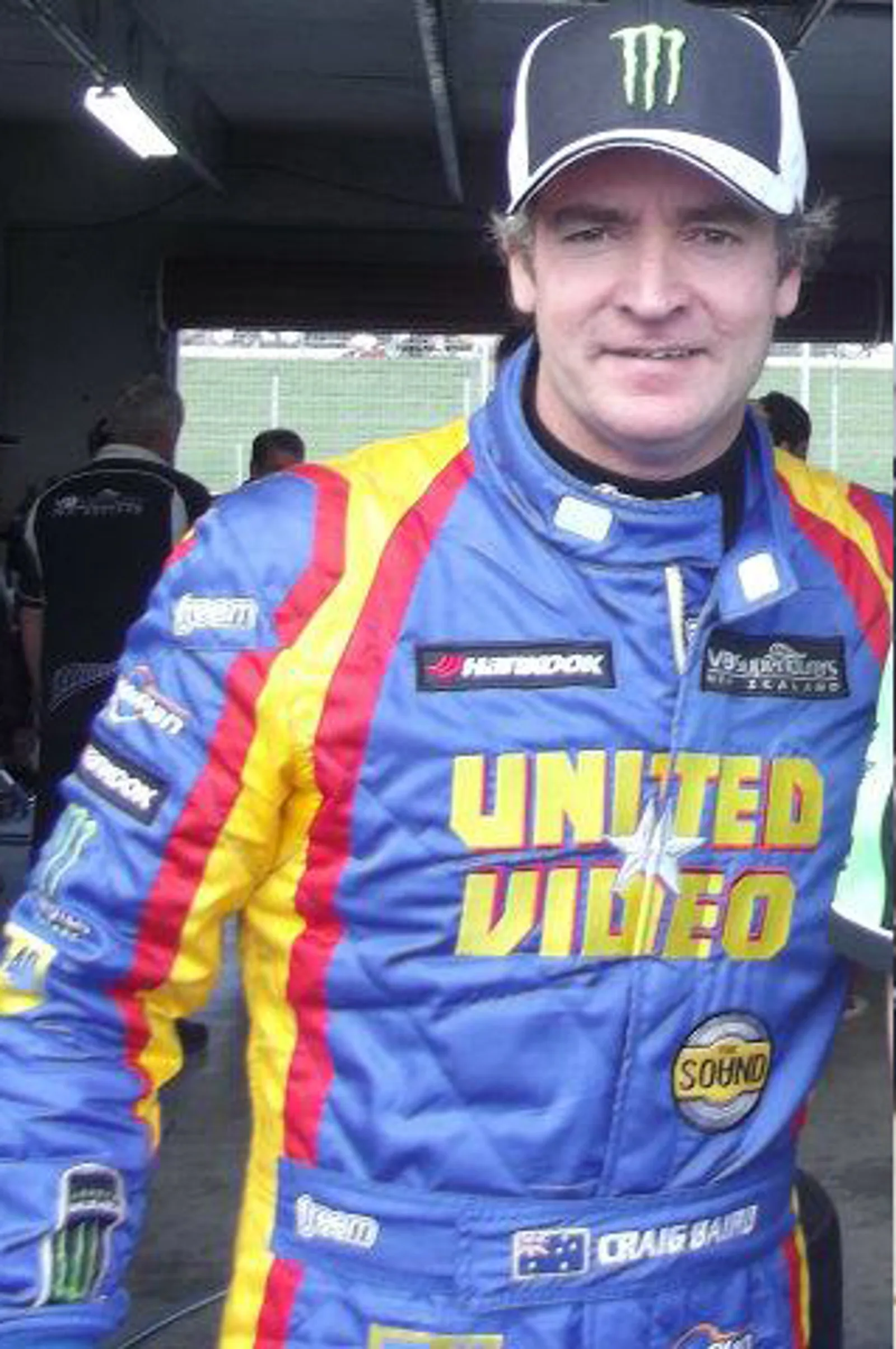
Radisich was taken to hospital in a serious but stable condition. To meet its franchise obligations, the team leased a replacement chassis from Paul Morris Motorsport for the rest of the season. Craig Baird and Chris Pither drove it at the Tasmania and Bahrain rounds, and Tony Evangelou took the wheel for the final round at Phillip Island. The season was a hard one, with the team running on borrowed equipment.
How did the 2007 to 2009 seasons unfold?
For 2007 the team reached an arrangement with Ford Performance Racing that would have put it in an FPR-built Falcon with engineering help. The deal was not factory-backed, and by May 2007 the team and its lead driver had parted company. The ex-FPR car went back to FPR.
Radisich, who was recovering from the Bathurst accident, missed the season opener at the Clipsal 500. The team then struck a deal with Stone Brothers Racing and signed the rookie Shane van Gisbergen to replace Radisich. In 2008 Kayne Scott drove eight rounds, with other drivers including Chris Pither and Steve Owen sharing the car. Fahad Al Musalam, a Bahrain domestic series driver, got a drive at the Bahrain round, and the team later returned to Paul Morris built Falcons, having bought two earlier.
In 2009 the team brought in former Carrera Cup racer Dean Fiore, who could bring sponsors and reduce the team's reliance on its own budget. That season the squad's franchise was taken over by V8 Supercars, which moved to sell the Racing Entitlement Contract. The franchise went to the Fiore family, who used it to start Triple F Racing.
How did the junior programme take shape?
Even as its Supercars fortunes shifted, the team kept its focus on young drivers. In 2009 it ran two BMW Minis for Matt Hamilton and Ryan Bailey, and the pair took first and second in the New Zealand Mini Challenge, a one-two for the team.
As a reward, Hamilton contested the opening three rounds of the Fujitsu V8 Supercar Series in Australia in 2010. The team bought a third Mini for the 2010/11 season, driven by Ben Dallas, Matthew Gibson and Craig Innes. The squad won back-to-back championships that year and finished the season with a podium sweep. Dallas took the title, Innes was second and Gibson third.
What did the porsche and sports car seasons bring?
In 2012 the team gave Andre Heimgartner a full season in its Porsche Carrera Cup car. He was named Rookie of the Year at the Gold Coast Indy 300, which earned him a test for a Porsche Super Cup seat, although he missed out on the drive.
In 2013 the squad ran a second Carrera Cup season with Shae Davies and Adam Gowans. Davies and Gowans were fast, and the squad won the Porsche Carrera Cup Rennsport meeting. At Bathurst that year the team took three wins from three starts.
What did the team's later New Zealand programmes look like?
In 2014 the team bought a NZV8 car for Craig Baird. It opened with poles and race victories, but the older Holden engines were pushed hard to keep pace with the Ford engines, and two engine failures made it a tough year.
In 2016 the team dipped into the NZ V8SuperTourer Championship. Baird again took race wins, at Pukekohe and Taupo, but the politics between the NZV8 and V8SuperTourer series were unresolved, so the team did not commit further to either.
How does the development academy work today?
In 2017 the team added 12-year-old Thomas Boniface, a BMW Mini Challenge driver, to its Development Academy. He was a four-time national KartSport champion, and the team had plans for him. His best finish that season was fifth at Taupo, out of 32 cars, with two race wins along the way.
The team still backs New Zealand drivers through its scholarship programme. Its aim is to offer young drivers financial support and guidance so they can make their mark in Australian V8 Supercars and beyond.
What were the team's Bathurst plans for 2019?
In 2019 the squad hoped to field a wildcard entry at the Bathurst 1000 in a Triple Eight built ZB Commodore. The line-up was to include Jaxon Evans, the 2018 Australian Carrera Cup champion, and Chris van der Drift, a three-time Asian Carrera Cup title holder.
The team plans to mark its 25th anniversary in 2025 at Bathurst, the circuit where its All Black Supercar first raced in November 2000.
What are the team's key milestones?
| Year | Milestone |
|---|---|
| 1999 | Debut in the New Zealand Touring Car Championship |
| 2000 | Jason Richards wins the title; Bathurst debut, 16th |
| 2001 | Second back-to-back New Zealand title for Richards |
| 2004 | First pole position in the Supercars at Winton |
| 2005 | Third place in the Shanghai round |
| 2006 | Radisich crash at Bathurst; replacement chassis leased |
| 2009 | Mini Challenge one-two for Hamilton and Bailey |
| 2010/11 | Back-to-back BMW Mini Challenge titles |
| 2013 | Three wins from three starts at Bathurst in the Carrera Cup |
| 2017 | Thomas Boniface joins the Development Academy |