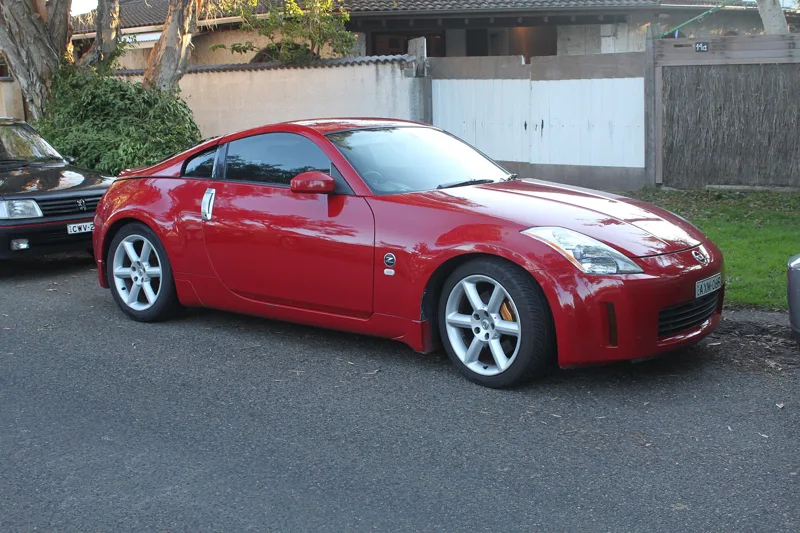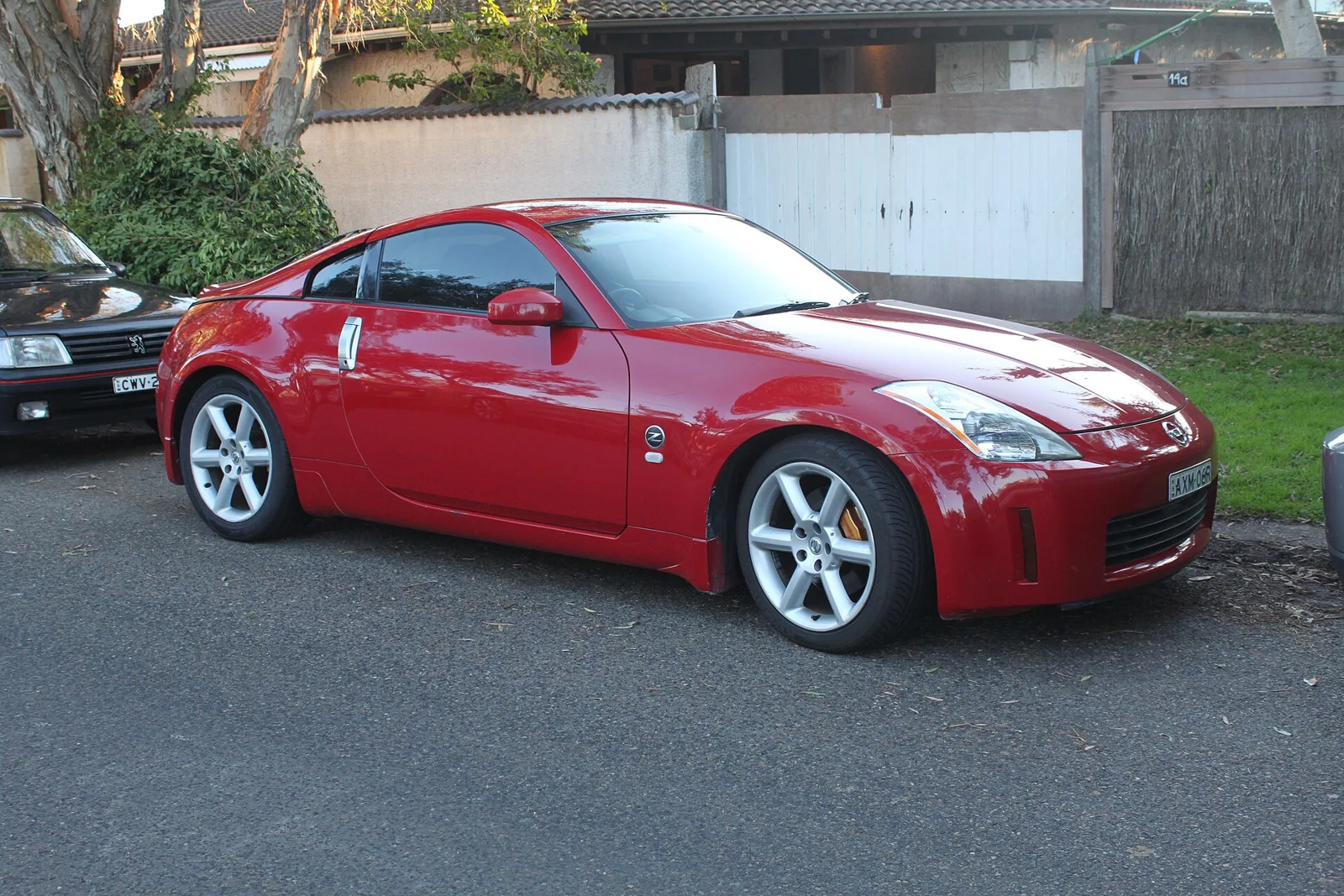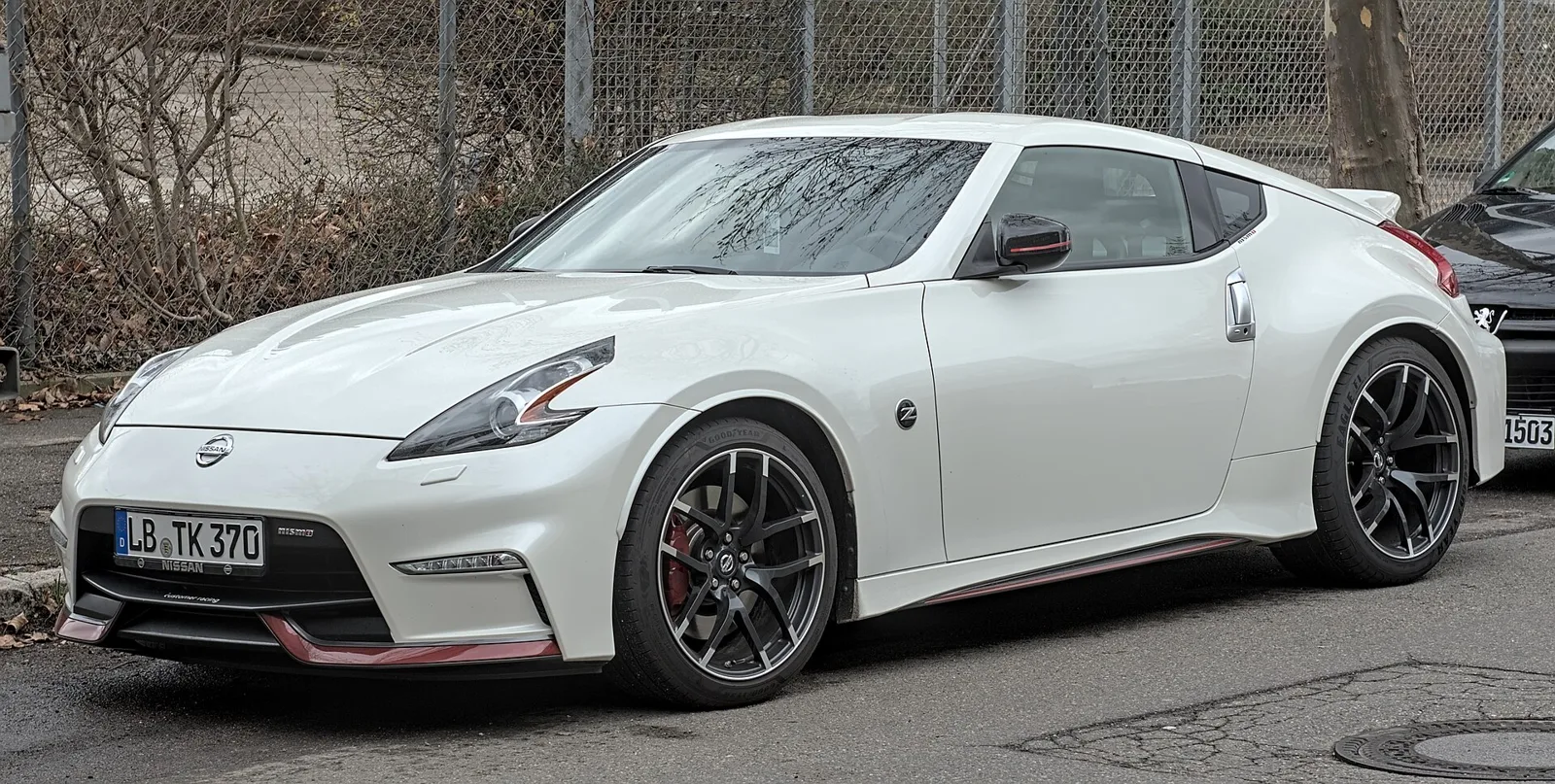
A two-seat, front mid-engine sports car that followed the 350Z, sold as the Fairlady Z in Japan and kept Nissan's Z badge alive for twelve years.
The Nissan 370Z was a two-seat front mid-engine sports car built by Nissan from 2008 to 2020. Sold as the Fairlady Z in Japan, it came as a coupe or roadster and was the sixth generation of the Z-car line.
The Nissan 370Z was a two-seat sports car that Nissan built from 2008 until 2020. Known in Japan as the Fairlady Z Z34, it was offered as a two-door coupe or a two-door roadster. It was the sixth generation of Nissan's Z-car line, and it succeeded the 350Z.
Where did the 370Z come from?
The car was announced on 29 October 2006. Its first public showing was at a Los Angeles event held before the 2008 Greater LA Auto Show, and the official reveal came at the show.
The 370Z was built on the Nissan FM platform, with a front mid-engine, rear-wheel-drive layout. It was sold in North America for the 2009 to 2020 model years, and the RZ34 that followed uses a modified version of the same platform.
Along with the coupe and roadster, the car carried the Fairlady name in Japan. The Japanese-spec Fairlady Z Coupe went on sale on 1 December 2008, and the Japanese Roadster followed in October 2009.
A two-seat front mid-engine sports car that carried Nissan's Z badge from 2008 to 2020 and passed the baton to the RZ34.
How was the 370Z engineered?
Nearly every component of the 370Z was redesigned from the 350Z. The wheelbase was 4 in (100 mm) shorter at 100.4 in (2,550 mm), and the overall length was 2.7 in (69 mm) shorter at 167.1 in (4,240 mm). The car was 1.3 in (33 mm) wider and had a rear track 2.2 in (56 mm) wider, while the overall height came down by 0.3 in (7.6 mm).
The smaller exterior and the greater use of lightweight materials helped reduce weight. The 370Z had a front aluminium sub-frame, an aluminium engine cradle, aluminium door panels, an all-aluminium bonnet and an aluminium hatch. A carbon fibre composite radiator housing was also fitted.
Body stiffness rose noticeably. Front torsional rigidity improved by 10 percent, and rear torsional rigidity improved by up to 22 percent, while rear vertical bending rigidity improved by up to 30 percent. The new structure was slightly lighter than the 350Z's.
How did the 370Z handle and brake?
The front suspension was a double wishbone design with forged aluminium control arms and steering knuckles. The rear multi-link layout used forged aluminium upper and lower arms and a radius rod, while the wheel carriers were also aluminium.
The brakes were switched from expensive Brembo racing units to Nissan-branded brakes made by Akebono. The 2013 model refresh brought new dampers for the Sport package models.
The coefficient of drag was 0.30, or 0.29 with the Sport Package. Those figures were identical to the 350Z, so the aerodynamic baseline was carried over even though the rest of the car was new.
What did the coupe and roadster offer?
The coupe was unveiled at the 2008 Los Angeles Auto Show, and North American sales started at Nissan dealers in early 2009. European deliveries of the coupe began in April 2009.
Standard and optional coupe equipment included 19-inch RAYS wheels, Bluetooth, satellite radio, heated electric seats, a viscous limited-slip differential, a Bose sound system with dual subwoofers and a six-CD changer, and automatic climate control.
The roadster went on sale in late summer 2009 as a 2010 model. The touring version added heated and cooling leather power seats, a Bose audio system with eight speakers, Bluetooth and a HomeLink transceiver. Its options included the Sport Package and a Navigation Package with a hard-drive music store.
The two body styles shared their basic structure, suspension and engine, so the choice came down to whether the buyer wanted a fixed roof or open-air motoring. Both were built on the same FM platform described above.
What did the Sport Package include?
The Sport Package added 19-inch RAYS forged wheels with Bridgestone Potenza tyres, Nissan Akebono sport brakes, SynchroRev Match for the six-speed manual and a viscous limited-slip differential. It turned the Touring into a sharper car without changing its basic character.
The Navigation Package brought a touch-screen navigation system with real-time traffic information, a 9.3GB music hard drive and a USB port for iPod connectivity. Together the two packages gave buyers a well-equipped car.
What made the NISMO 370Z different?
The NISMO version arrived for the 2009 model year, with 350 hp (355 PS; 261 kW) at 7,400 rpm. Torque reached 276 lb-ft (374 N-m) at 5,200 rpm, thanks to revised engine control settings and an exhaust setup of its own.
The NISMO was offered only with a six-speed manual, using Nissan's SynchroRev Match function. Stiffer springs and anti-roll bars improved its handling compared with the standard coupe. It rode on 19-inch RAYS forged aluminium wheels with Yokohama ADVAN Sport tyres.
Other equipment included vented front and rear rotors of 14.0 inches and 13.8 inches, NISMO sport brakes with four-piston front calipers and a fully integrated chin spoiler. The NISMO went on sale in June 2009, with a US price of US$39,130.
How was the NISMO updated in 2014?
In May 2014 the facelifted NISMO was unveiled at the ZDAYZ event as a 2015 model. Like other NISMO models, it received Nismo red accents on the bumpers and side sill protectors, along with new LED daytime running lights.
The wheels were redesigned and the rear spoiler changed, improving the balance of front and rear downforce at high speed. Inside, Nismo-tuned Recaro sports seats and blacked-out trim were fitted, with a NISMO emblem on the centre console.
What were the special editions?
The 40th Anniversary Edition marked the original Fairlady Z's 40 years, and it was built in Japan as a limited coupe with a manual gearbox. It came with a Sport Package, a 40th Anniversary Graphite paint, red leather trim, a plaque of authenticity and a commemorative car cover.
The Black Edition arrived in Europe with a limited run of 370 units, and it matched the Japanese and US 40th Anniversary cars. It was offered with manual and automatic transmissions, and deliveries began in April 2010.
The 370Z Yellow was a UK limited edition of the GT Pack coupe, inspired by the European GT4 race car, and it went on sale in September 2009. The Nurburgring Edition was a German run of 80 cars in Premium Ultimate Yellow, with a Cobra exhaust and a numbered plaque.
The limited editions followed a common pattern: a small production run, a distinct colour or trim and a commemorative badge or plaque. That pattern made each car easy to tell apart from the standard range on the road and in a showroom.
What was the GT Edition?
The 370Z GT Edition of 2011 to 2012 was built for the UK to commemorate Nissan's success in GT racing and 40 years of the Z in Britain. It came in three body colours and had grey GT stripes along the flanks, 19-inch forged alloy wheels and re-tuned dampers.
It also included a rear view parking camera, a tyre pressure monitoring system and a seven-speed automatic with snow mode. The car went on sale from GBP 35,000, and deliveries started on 1 June 2011.
Which anniversary editions came later?
The Heritage Edition was shown in April 2017 at the New York International Auto Show, as a 2018 model celebrating half a century of the Z car. It was offered in Chicane Yellow or Magnetic Black, with yellow interior trim and Z stripes.
The 50th Anniversary Edition was unveiled in April 2019 for the 2020 model year. It had stripes, 19-inch Rays wheels, a rear spoiler and 50th Anniversary badges, in either a brilliant white pearl or a brilliant silver with diamond black accents.
How quick was the 370Z?
The coupe with the six-speed manual reached 0-60 mph in 4.7 seconds, while the automatic coupe managed it in 4.6 seconds. The roadster with the manual took 4.9 seconds.
Quarter-mile times from a standing start were 13.3 seconds for the coupe, at 170.1 km/h (105.7 mph), and 13.6 seconds for the roadster, at 165.6 km/h (102.9 mph). The coupe pulled 0.99 g on the skidpad and the roadster 1.00 g.
How did the 370Z do in motorsport?
The BRE 370Z was a 2010 NISMO coupe built to commemorate the 40th anniversary of the Z's first national championship. It was built by STILLEN and painted in a red, white and blue scheme designed by Pete Brock, and it was unveiled at the BRE Reunion dinner in April 2010.
The car's roots ran back to the SCCA racing of 1970 and 1971, when John Morton drove a #46 240Z. In drifting, Chris Forsberg campaigned a twin-turbo 370Z with 812 horsepower in the 2017 Formula DRIFT season, and after an engine failure in the first round he drove a backup car with a 5.6L V8 from a Nissan Titan.
What was the 2013 model year update?
The 370Z was updated in 2012 for the 2013 model year. The refresh gave the car a new front fascia with vertical LED daytime running lights, except on the NISMO, along with new wheel designs and a Sport Tech Package with a touch-screen audio and navigation screen.
The updated coupe was unveiled at the 2012 Chicago Auto Show, and the roadster followed at the 2012 Paris Motor Show. Sales of the updated car began in June 2012, and a Fairlady Z NISMO Z-Challenge race car was shown at the 2013 Tokyo Auto Salon.
What transmissions and trims were offered?
All models came with a 7-speed automatic with paddle shifters or a 6-speed manual. The automatic included a manual shift mode and Downshift Rev Matching, and the manual had SynchroRev Match, which was part of the Sport Package.
US trims were the 370Z base, Sport, Touring, Sport Touring and NISMO, with NISMO Tech available for 2017 and 2018 only. In Japan the range ran from the base Fairlady Z through Version S, Version T and Version ST to Version NISMO.
What are the Nissan 370Z specifications?
| Specification | Detail |
|---|---|
| Layout | Two-seat, front mid-engine, rear-wheel drive |
| Platform | Nissan FM |
| Years | 2008 to 2020 |
| Wheelbase | 2,550 mm (100.4 in) |
| Overall length | 4,240 mm (167.1 in) |
| NISMO output | 350 hp (355 PS; 261 kW) at 7,400 rpm |
| NISMO torque | 276 lb-ft (374 N-m) at 5,200 rpm |
| Coupe, 0-60 mph | 4.6 seconds (automatic), 4.7 seconds (manual) |
| Coupe quarter mile | 13.3 seconds at 170.1 km/h (105.7 mph) |
| Coefficient of drag | 0.30 (0.29 with Sport Package) |
| Predecessor | 350Z |
| Successor | RZ34 |