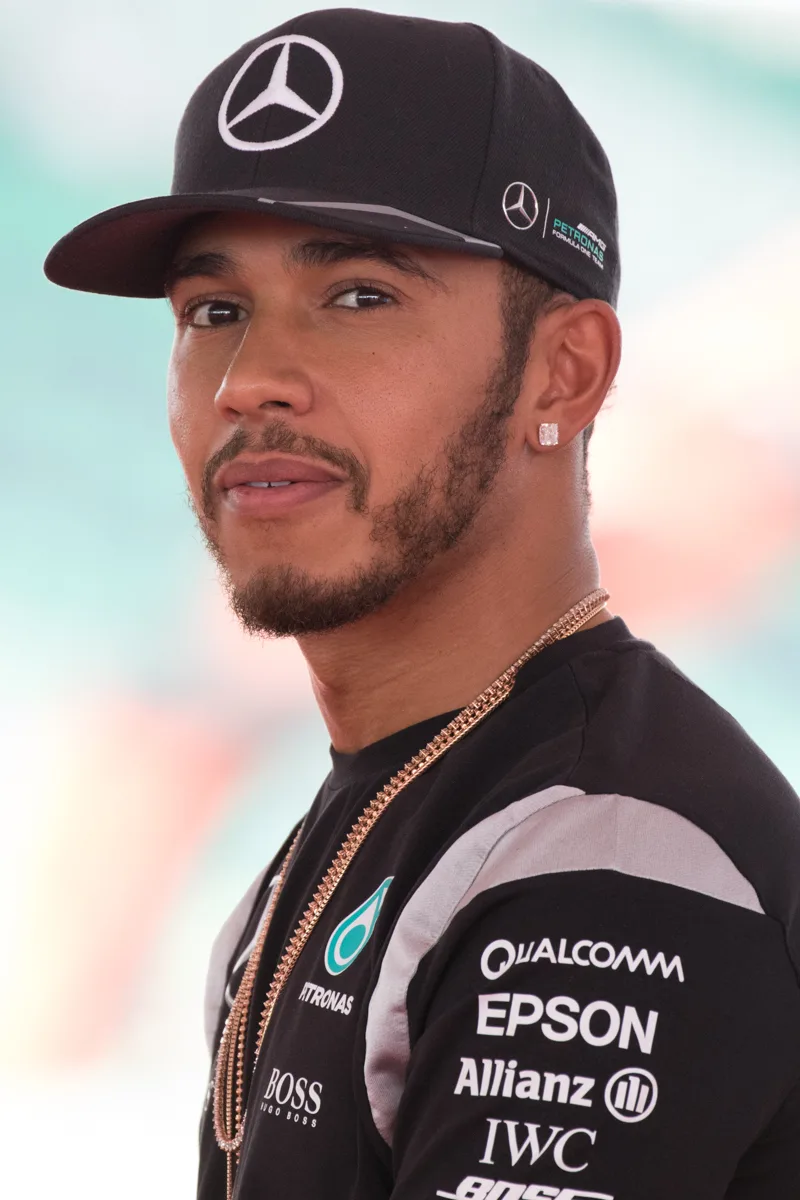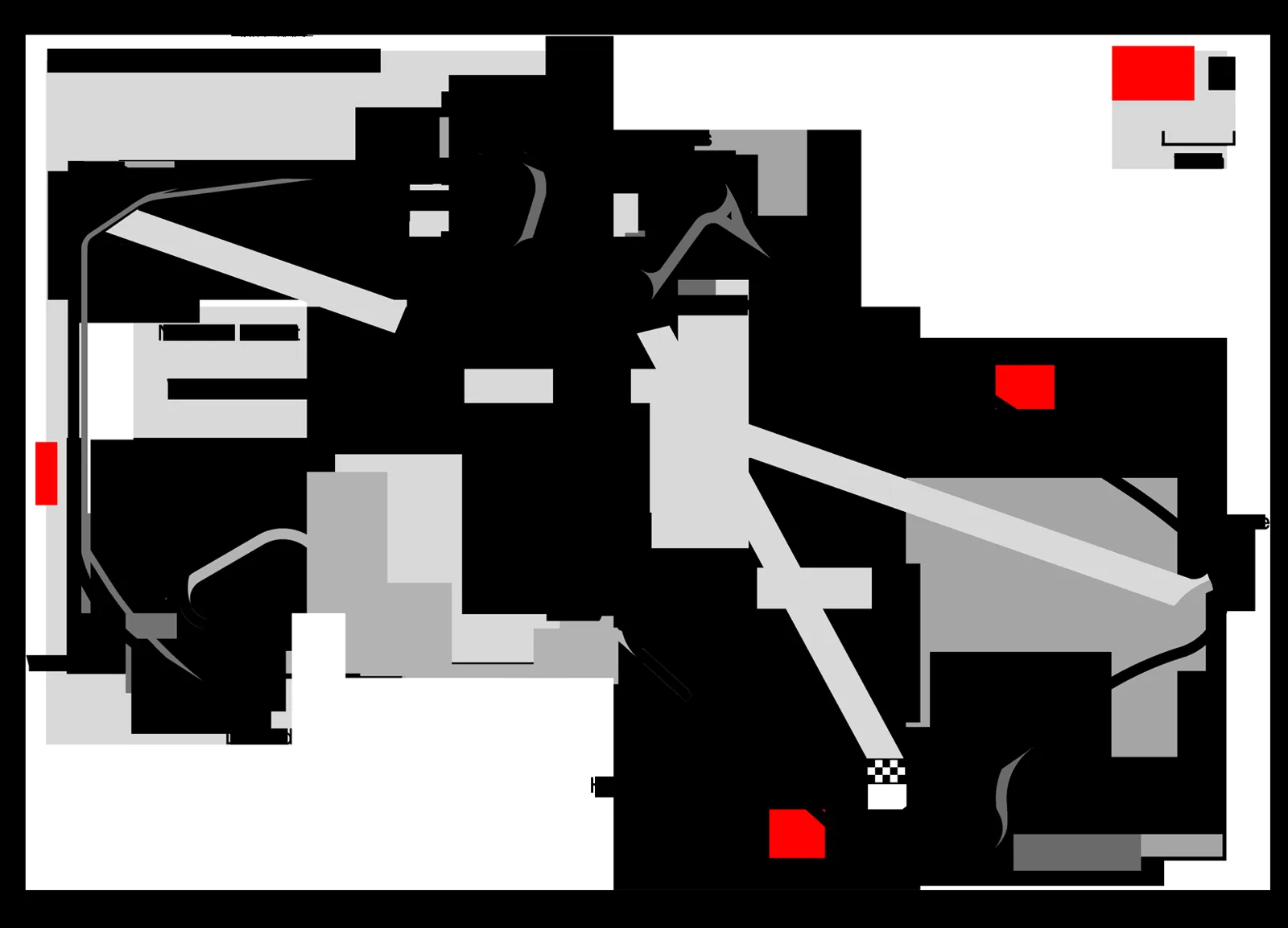
Silverstone's first race of two, run behind closed doors, with a late string of front-left failures and Hamilton's seventh British win.
Hamilton claimed the 2020 British Grand Prix on 2 August at Silverstone, his third straight win and Mercedes' fourth of the season. Verstappen came second and set the fastest lap, while several leading cars were hit by tyre trouble late on.
Lewis Hamilton won the 2020 British Grand Prix at Silverstone on 2 August, his third straight win of the season and his seventh at the circuit. Three leading drivers suffered front-left tyre failures in the closing laps, and the race was the first of two at Silverstone that year, both held behind closed doors.
Why did Silverstone host two Formula One races in 2020?
Silverstone hosted the British Grand Prix on 2 August and the 70th Anniversary Grand Prix on 9 August, after the COVID-19 pandemic reshuffled the calendar. It was the first time in 27 years that the UK hosted two Formula One races in one season, and both were run behind closed doors.
The Australian season opener was cancelled two days before it was due, and the FIA redrafted the calendar around it. The British race had first been set for 19 July, but it swapped dates with the Hungarian Grand Prix to take the 2 August slot.
Boris Johnson argued that Formula One should be exempt from the quarantine rules, and the government agreed. Northamptonshire Police warned fans to stay away and said strict measures would stop unauthorised people from entering the circuit.
Silverstone had offered to host as many as 12 races that season. The last UK double had been in 1993, when Donington Park hosted the European Grand Prix and Silverstone the British Grand Prix.
Silverstone's first race of two produced a seventh British win for Hamilton and three late tyre failures.
What were the standings going into the race?
Hamilton led the drivers' championship on 63 points, five clear of teammate Bottas, with Verstappen a further 25 points back. Mercedes led the constructors on 121 points, ahead of Red Bull on 55 and Racing Point on 40. Williams had no points at all.
Sergio Perez tested positive for COVID-19 and was ruled out, and Nico Hulkenberg took his place.
How did practice and qualifying unfold?
Verstappen was fastest in the first Friday practice, ahead of Hamilton and Lance Stroll. In Saturday morning practice Bottas was quickest, ahead of Hamilton and Verstappen. Hamilton took pole in Q3, after a 60 percent chance of rain before qualifying came to nothing.
Q1 eliminated Kevin Magnussen, Antonio Giovinazzi, Kimi Raikkonen, Romain Grosjean and Nicholas Latifi. Alfa Romeo was the only team not to reach Q2 that year. Latifi had spun on his last lap and qualified last, and George Russell received five grid places for failing to slow for double yellow flags.
Q2 eliminated Pierre Gasly, Alexander Albon, Hulkenberg, Daniil Kvyat and Russell. Hamilton spun at turn seven during the session, bringing gravel onto the track and a red flag, but he and Bottas set times a second clear of the rest once it resumed.
Q3 included a pit lane clash between Charles Leclerc, Stroll and Daniel Ricciardo. Stroll complained that Ferrari had released its driver unsafely, but the stewards took no further action. Hamilton's pole was his 91st and his seventh at Silverstone, with Bottas 0.3 seconds behind.
What did the Friday practice sessions show?
Giovinazzi spun at turn 13 in the first Friday session, scattering gravel and debris and bringing a 12-minute red flag. Vettel set no timed laps after an intercooler problem. In the second session Albon spun into the barriers at turn 15, causing another red flag, and he was declared fit.
Albon then missed most of Saturday morning practice with electrical problems, while Vettel's brake pedal problems continued to curtail his running.
Why did Mercedes reject a reverse grid?
Mercedes rejected an alternative plan that would have reversed the starting grid for the second weekend. Instead the 70th Anniversary race a week later used C2, C3 and C4 tyres, so the teams had to make full use of their practice time rather than rely on data from the previous week.
The first weekend used the three hardest compounds Pirelli had, C1, C2 and C3, which kept the two Silverstone races distinct.
What happened at the start?
Hamilton led from pole at the start, while Carlos Sainz Jr. and Ricciardo passed Lando Norris and Stroll on the opening lap. Hulkenberg did not start at all, because a sheared clutch bolt jammed his power unit before the formation lap.
Magnussen hit a kerb at turn 17 and then collided with Albon at turn 18, sending his Haas into the barriers. Albon was given five seconds, and the safety car came out. He became the first driver to pit, changing from medium to hard tyres on lap six.
On lap 12 Daniil Kvyat suffered a right-rear tyre failure at turn 10 and crashed heavily into the barriers at turn 11. He walked away, and the safety car allowed most of the field to pit, which lifted Grosjean into fifth.
How did the mid-race play out?
Grosjean was shown the black-and-white flag for unsportsmanlike conduct after defending too aggressively against Sainz. The second safety car period had ended on lap 19, and Norris passed Ricciardo for seventh shortly after the restart.
Albon made a second stop on lap 30 to serve his time penalty and switch to soft tyres. Giovinazzi was given five seconds for speeding under safety car conditions on lap 36, and Grosjean fell to ninth after being passed by Ricciardo and Stroll.
Vettel lost tenth to Gasly on lap 38, and Ocon passed Stroll for eighth on lap 46. In the closing laps Bottas reported poor visibility caused by vibration, and Sainz described the same problem over the radio.
Why did so many tyres fail on the final laps?
Pirelli blamed the failures on two causes. The first was the very long stints on the demanding Silverstone circuit, and the second was the higher pace of the 2020 cars, which put the most stress on the front-left tyre. Pirelli and the FIA both investigated the failures after the race.
Bottas's front-left tyre delaminated with three laps to go. He had to limp round, pit for a replacement and emerge in 12th. Sainz had a front-left failure too, and he dropped to 14th by the finish line.
Verstappen had pitted for fresh tyres to chase the fastest lap and to protect himself from the same failure. He set the fastest lap of the race at 1:27.097 on that stint. Hamilton had been warned to preserve his tyres, then suffered a front-left failure at turn eight on the final lap, and his lead of more than 30 seconds shrank to six seconds at the flag.
Red Bull defended the decision to pit Verstappen, arguing he could have suffered the same failure as the Mercedes drivers. Pirelli later said the tyre that failed on Kvyat's car had overheated on its rim and detached, rather than being punctured.
Which lap record survived the British race?
Verstappen's fastest lap of 1:27.097 in the race still stood as the Silverstone lap record in 2025, even though Hamilton had been quicker in qualifying. Hamilton's pole lap was a fastest lap time, not an official record, because records can only be set during a race.
How did the finishing order look?
| Finish | Driver | Note |
|---|---|---|
| Winner | Lewis Hamilton | Third straight win, 87th career win |
| Second | Max Verstappen | Fastest lap at 1:27.097 |
| Third | Charles Leclerc | Podium after the front-left failures |
| Fourth | Daniel Ricciardo | Moved up in the late stages |
| Fifth | Lando Norris | Passed by Ricciardo for sixth place |
| Sixth | Esteban Ocon | Best finish since the 2018 Italian Grand Prix |
Why did Renault protest Racing Point?
Renault raised the legality of Racing Point's brake ducts on the RP20 for a third race running. The stewards upheld that protest and reprimanded the team, although its results stood.
Renault had protested the same car in Hungary, the round before.
Why did Hulkenberg not start the race?
The Racing Point team could not start Hulkenberg's power unit in the garage. A clutch bolt in the drivetrain had sheared and jammed, so the engine could not turn over, and he was forced out before the formation lap.
Hulkenberg had set the ninth-fastest time in his first practice session back in the sport earlier in the weekend.
What happened before the race started?
All 20 drivers lined up in front of the grid in anti-racism t-shirts, with some taking the knee and others standing, while video messages of support were played. Emily Haig sang the national anthem, and a Spitfire flew over the track with Thank you NHS painted on its wings.
Those ceremonies were followed by applause from the people present, in recognition of the work done by the public health services during the COVID-19 epidemic.