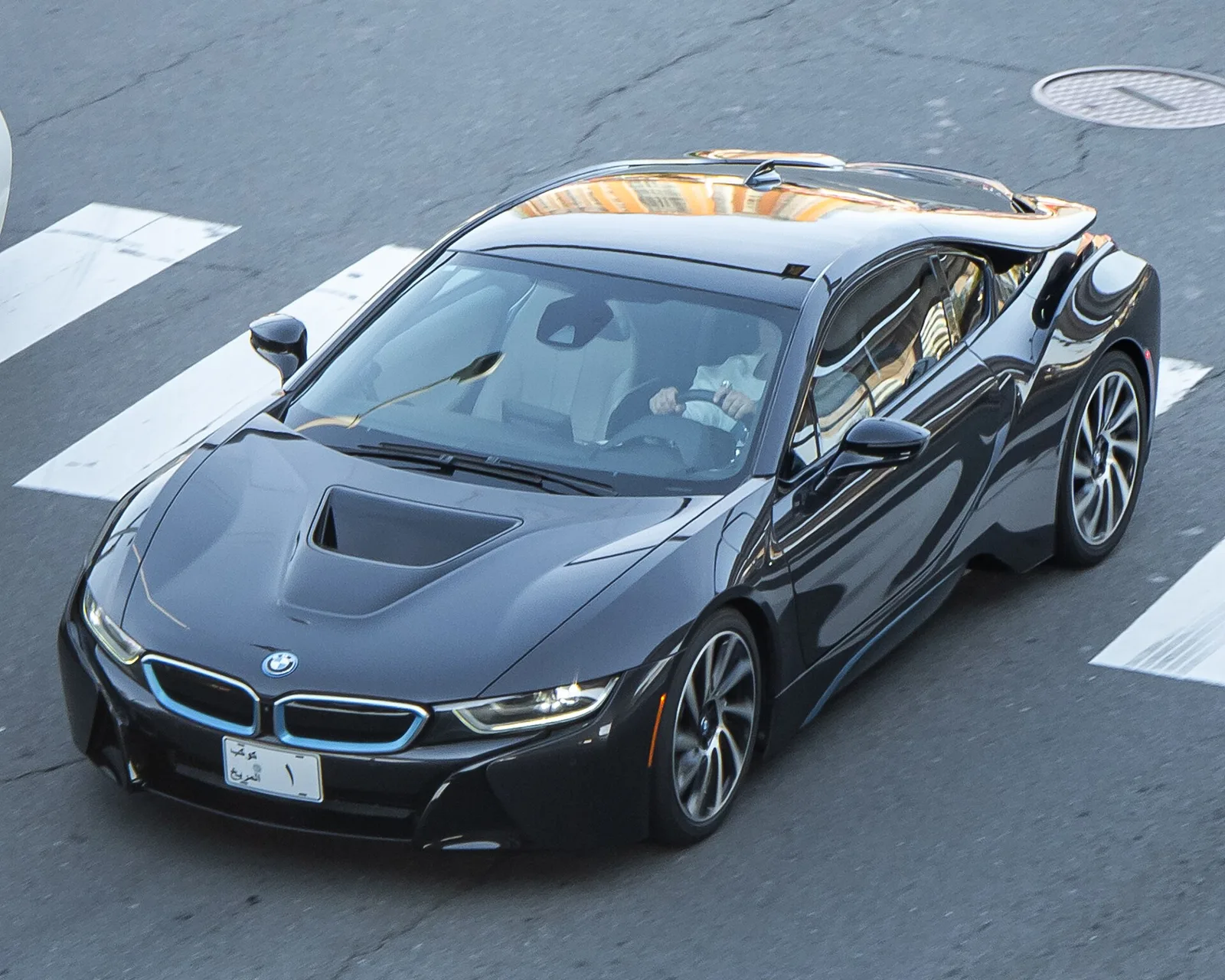
A carbon-bodied plug-in sports car from the BMW i brand, with a three-cylinder petrol engine, electric drive and a production run that ended in June 2020.
Built between 2014 and June 2020, the BMW i8 used a 1.5-litre three-cylinder petrol unit and an electric motor together. BMW sold it under the electrified i sub-brand, and 20,465 cars were produced, including 3,884 roadsters. The coupe and roadster shared the same drivetrain layout.
The BMW i8 was a plug-in hybrid sports car that BMW built under its electrified i sub-brand, with production running from 2014 to June 2020. It paired a three-cylinder petrol engine with an electric motor and a carbon fibre passenger cell, giving it a shape unlike anything else on sale. BMW built 20,465 cars before the line closed.
Where did the i8 come from?
The i8 grew out of BMW's Project i and the Vision EfficientDynamics concept of 2009. It was sold as part of the BMW i brand, which BMW kept separate from BMW and Mini. The production version was shown at the 2013 Frankfurt show, and German sales began in June 2014.
Project i was BMW's bet on electrified cars, and the i brand was created to carry it. The i3 was the first model in that range, and the i8 followed as its sportier sibling with a very different set of priorities.
Development moved through clear stages. The 2011 i8 Concept showed the basic layout, the Spyder variant followed in 2012 at Auto China in Beijing, and a 2013 coupe prototype tested the production direction before the final car was revealed at Frankfurt.
BMW i also backed the ABB FIA Formula E World Championship, and the i8 served as the series' official safety car. That role gave the car a visible place in electric motorsport even though it was a road car first.
A plug-in sports car with butterfly doors and a three-cylinder heart, built for a decade that was about to change.
What did the i8 look like?
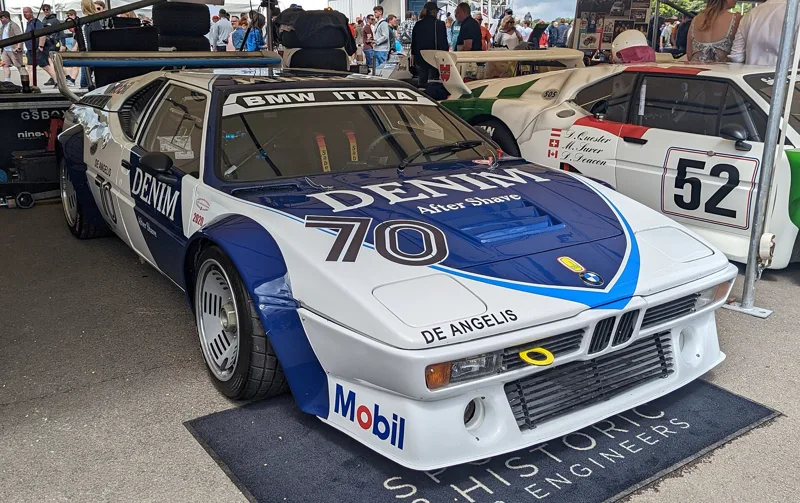
The production i8 had butterfly doors and a head-up display, and its design was credited to Benoit Jacob. The shape owes much to the BMW M1 Homage concept car, which paid tribute to BMW's previous mid-engined sports car, the M1.
The doors are the car's most striking feature. They open upwards, which gives the i8 an unusual silhouette when it is parked and makes the two-seat cabin feel like an event whenever it opens.
Aerodynamics shaped much of the body. A drag coefficient of 0.26 helped the coupe slip through the air, and its carbon fibre passenger cell kept the weight down, so the form was worked out around airflow as much as around the cabin.
Lighting was another first for BMW. The i8 was the first production car to use laser headlights, which BMW said reached farther down the road than LED lights. Few other cars of its time offered that kind of lighting technology.
The Concept Spyder, styled by designer Richard Kim, won Concept Car of the Year when it was shown at Auto China 2012 in Beijing. The concept also appeared in the film Mission: Impossible - Ghost Protocol, which gave the car a cinematic profile before it went on sale.
How was the i8 powered?
The i8 combined a 1.5-litre three-cylinder TwinPower Turbo petrol engine rated 170 kW (228 hp) with an electric motor rated 98 kW (131 hp). The petrol unit delivered 115 kW (154 hp) per litre, the highest specific output of any engine in the BMW Group at the time.
The electric motor produced about 320 Nm from standstill and could move the car on its own. Electric drive used a two-speed unit developed and produced by GKN, and the all-electric top speed was 120 km/h (75 mph).
Battery capacity was 7.1 kWh in the 2015 car, with 5.2 kWh usable. The 2018 update raised the gross energy content to 11.6 kWh, and Sport mode delivered a mid-range punch, taking the car from 80 to 120 km/h in 2.6 seconds.
The motor acted as a boost during acceleration, so the petrol engine and electric drive worked as one system rather than two separate powertrains. That integration was the heart of the car's engineering, even if the three-cylinder engine drew the most comment.
What are the i8 specifications?
The table lists the engine, performance and efficiency figures for the 2015 coupe and the 2018 update where it changed. Figures are tied to the model year they describe, so the electric range of the later car is not read back onto the first one. Where a rating comes from a particular test cycle, the table names it.
| Specification | Detail |
|---|---|
| Engine | 1.5-litre three-cylinder TwinPower Turbo petrol plus electric motor |
| Petrol output | 170 kW (228 hp) |
| Electric motor | 98 kW (131 hp), about 320 Nm from standstill |
| 0-100 km/h (2015 coupe) | 4.4 seconds |
| Top speed | 250 km/h (155 mph), electronically limited |
| Weight (DIN kerb) | 1,485 kg (3,274 lb) |
| Battery | 7.1 kWh (2015), 11.6 kWh gross (2018 onward) |
| Electric range (NEDC) | 37 km (23 mi) in 2015; 55 km (34 mi) for the 2018 coupe |
| Fuel economy (NEDC) | 2.1 L/100 km (134.5 mpg-imp; 112.0 mpg-US), 49 g/km CO2 |
| EPA rating | 76 MPGe combined; 29 mpg on gasoline only |
Read the table with the test cycles in mind. European NEDC figures and American EPA figures are measured differently, so the same car can appear to have two quite different electric ranges.
How far could the i8 go on electricity?
The 2015 car could cover 37 km (23 mi) on electricity alone, measured on the NEDC cycle. After the 2018 battery upgrade, the coupe reached 55 km (34 mi) and the roadster 53 km (33 mi) on the same cycle. The EPA gave the model its own combined rating of 76 MPGe.
Once the battery was drained, the car ran on petrol alone. The EPA rated gasoline-only running at 29 mpg, which is a useful reminder that the i8 was still a hybrid and not a pure electric car.
The EPA also publishes utility factors for plug-in hybrids, which estimate the share of miles an average driver covers on electricity. On that measure the i8 scored lower than BMW's own i3 REx, reflecting a smaller electric share in typical use.
How well did the i8 sell?
Deliveries reached 1,741 cars in 2014, followed by 5,456 in 2015, reaching cumulative sales of 7,197 by December 2015. Global sales passed 10,000 by early November 2016, and the 20,000th car was built in December 2019. That pace held for the rest of the decade.
The UK was a strong market. The car started at GBP 99,845, and sales ran ahead of supply, with a 10-month waiting list by August 2014. A total of 1,307 units had been registered by the end of June 2016, which made Britain one of the car's strongest markets.
In Germany, registrations reached 986 units by September 2016. In Australia, 155 units were sold at $299,000 AUD, which made the car a rare sight on Australian roads.
How did critics receive the i8?
Critics praised the futuristic design and butterfly doors, but journalists argued the three-cylinder petrol unit and the motors could not match straight-line expectations at the price. Public reaction was mixed, mostly over the contrast between exotic styling and a hybrid powertrain. Across the range, the i8 became the most visible plug-in sports car of its era.
The awards list was long. Top Gear named the i8 its Car of the Year for 2014, and it won UK Car of the Year 2015 and UK Performance Car of the Year 2015. It also won the North American Concept Vehicle of the Year title in 2012, as a concept car.
Top Gear returned to the car in 2023 and ranked it first among the cars of the last 30 years. Few production models earn that kind of retrospective praise, and it suggests the i8's reputation grew once the initial debate had settled.
What variants did the i8 get?
The roadster arrived in 2018, with the first 18 exclusive first edition units delivered in May 2018. Its battery cell capacity matched the coupe's, and both cars reached 250 km/h (155 mph), with the roadster taking 4.6 seconds to reach 100 km/h.
The Protonic Red Edition was unveiled at the 2016 Geneva show and built at the Leipzig plant from July 2016. It used a Protonic Red finish with Frozen Grey accents and red double-stitched trim inside.
The concept history also produced cars that never reached showrooms. The Vision EfficientDynamics of 2009 used a 1.5-litre three-cylinder diesel alongside two electric motors, and it was estimated to cover 50 km (31 mi) on electricity alone.
What was the Vision EfficientDynamics concept?
The Vision EfficientDynamics arrived in 2009 as a plug-in hybrid concept, pairing a 1.5-litre three-cylinder turbo-diesel with two electric motors. It reached 100 km/h in 4.8 seconds, and its ceiling sat at 250 km/h (155 mph). It was the direct ancestor of the production i8.
The concept used a lightweight aluminium chassis, with polycarbonate glass in the windscreen, roof and doors. Its drag coefficient of 0.22 showed how far BMW had explored aerodynamic efficiency before the production car was defined.
Its estimated range covered 50 km (31 mi) on electricity alone, and a 24-litre petrol tank extended the total range to 700 km (430 mi), a figure that reflected BMW's focus on long-distance efficiency.
Who designed the i8's interior?
Jochen Paesen led the main interior theme of the Vision concept, Markus Speck designed the seats and visible structure, and Felix Staudacher handled detail design. Those choices shaped a cabin that focused on lightness and visual drama. Their work set the tone for the production car's cabin.
Paesen was credited with the main interior theme, while Speck looked after the seats and the visible structure. Felix Staudacher supported the details, including the steering wheel and centre console, which helped the concept feel unified.
The Vision concept's interior language carried into the production car, which is why the cabin still reads as a clear descendant of the 2009 concept rather than a separate project.
How did the i8 feel to drive?
Reviewers found the i8 composed and stable on the motorway, with the electric motor covering short urban trips quietly. The carbon fibre passenger cell and the balanced placement of the drivetrain helped the car feel settled at speed. That combination was rare at the time.
The electric motor could move the car on its own at low speed, while the petrol engine took over for longer journeys. The result was a refined driving experience, although critics said the petrol engine lacked the punch expected at the price.
Sport mode sharpened throttle response and the boost from the motor, which made the i8 feel more eager when a driver wanted to press on. That switch between calm and keen was the car's most distinctive driving trait.
Frequently asked questions
How quick was the BMW i8?
The 2015 i8 accelerated from 0-100 km/h in 4.4 seconds and its top speed was capped at 250 km/h (155 mph). In Sport mode, the mid-range sprint from 80 to 120 km/h took 2.6 seconds.
How many BMW i8s were built?
A total of 20,465 units were produced: 16,581 coupes and 3,884 roadsters. The final example left the factory on 11 June 2020.
How far could the i8 go on electric power alone?
The 2015 car had an NEDC electric range of 37 km (23 mi), which climbed to 55 km (34 mi) for the 2018 coupe. Its fuel economy was 2.1 L/100 km under the NEDC test.
Did the i8 sell in Australia?
Yes. Australia took 155 units, priced at $299,000 AUD, and the car was sold through BMW dealers across the country.
_Washington_DC_Metro_Area,_USA.jpg)