Four plants with different jobs, and a Shanghai factory that supplies cars to regions without a Gigafactory of their own.
A Gigafactory is Tesla's name for a huge plant making batteries, parts or whole cars. Nevada came first in 2016, and Shanghai, Berlin and Texas followed. Shanghai is the main export hub for regions without a Gigafactory, including right-hand-drive cars for Australia and New Zealand.
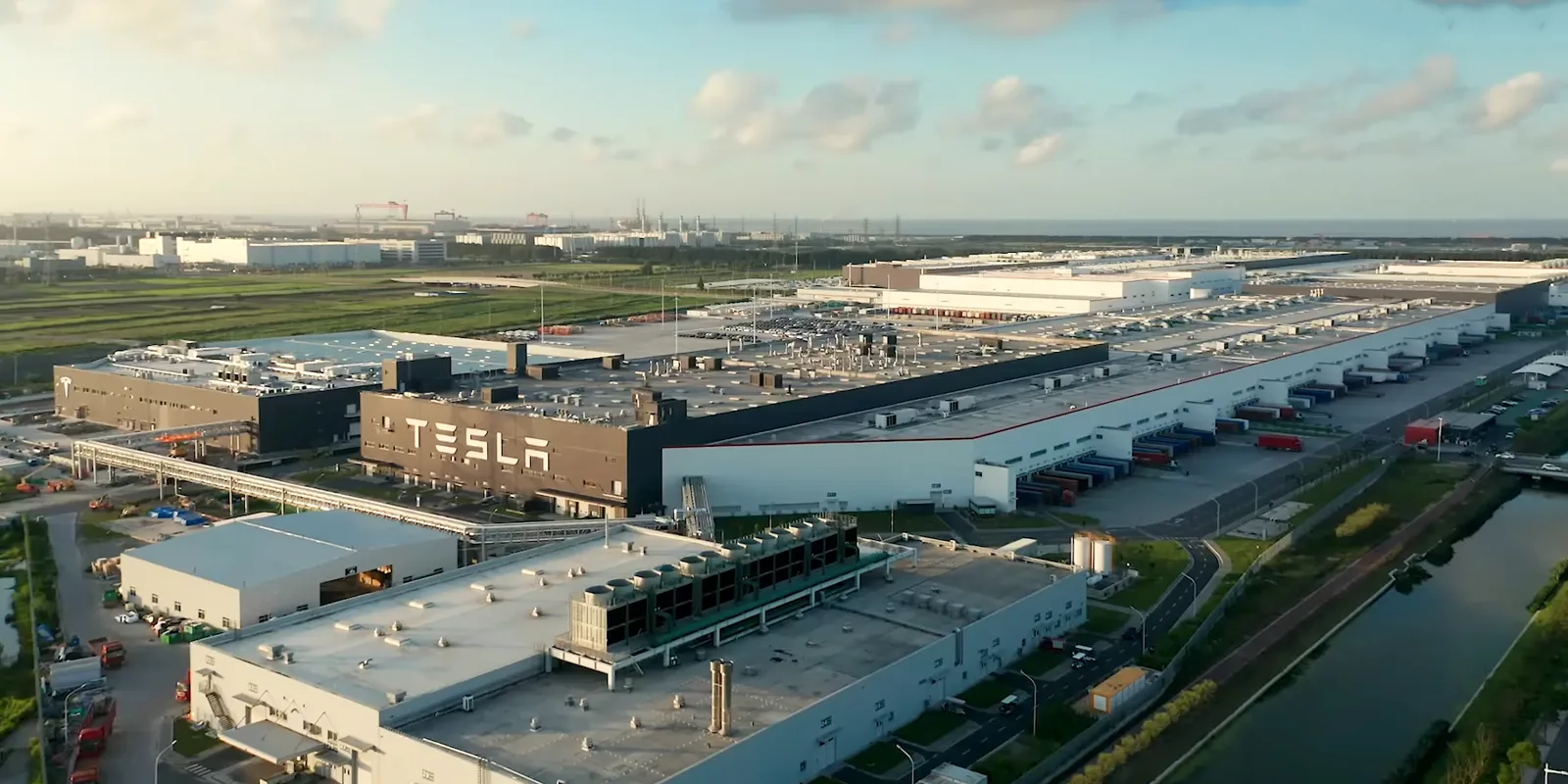
On 8 December 2025 Tesla announced that its Shanghai factory had built 4,000,000 vehicles. The groundbreaking ceremony had taken place on 7 January 2019, and the first production cars rolled out in December of that year, less than twelve months later. It also acts as Tesla's main export base for regions that have no Gigafactory of their own, and by the end of 2020 some of its output was right-hand drive for Australia and New Zealand.
It is one of several Tesla Gigafactories, each built for a different purpose.
What is a Gigafactory?
A Gigafactory is Tesla's name for a very large plant that makes batteries, car parts or finished cars on a huge scale. The first, in Nevada, was a battery and drivetrain factory. The later ones, in Shanghai, Berlin and Texas, assemble complete cars. Elon Musk renamed the original Gigafactory 1 on 30 April 2015, because Tesla planned more, and he said at the time that he expected other companies to build similar plants.
| Plant | Location | Construction began | What it makes | Notable figures |
|---|---|---|---|---|
| Gigafactory 1, Nevada | Storey County, east of Reno | Summer 2014 | Battery packs, drivetrain components and motors, Powerwall; assembles the Tesla Semi | About 7,000 employees at the end of 2018 |
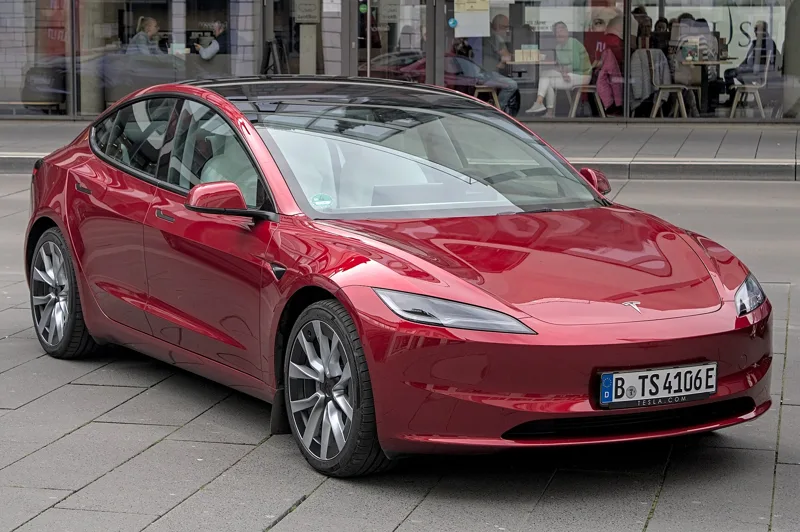
| Gigafactory 3, Shanghai | Lingang, Pudong district | January 2019 | Model 3 and Model Y | Capacity over 750,000 vehicles a year (July 2023) |
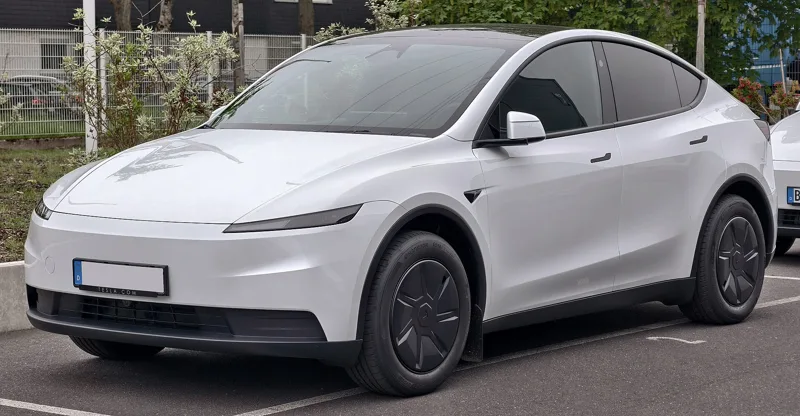
| Gigafactory 4, Berlin-Brandenburg | Gruenheide, Brandenburg | Early 2020 | Model Y, plus batteries, battery packs, powertrains and seats | Nearly 12,000 employees; full capacity of 500,000 cars |
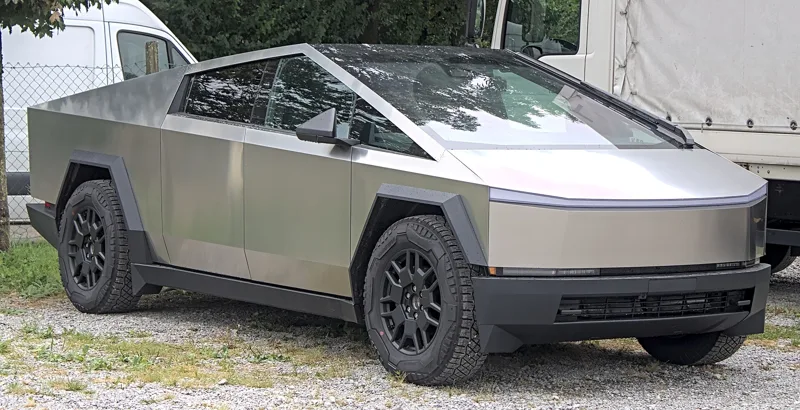
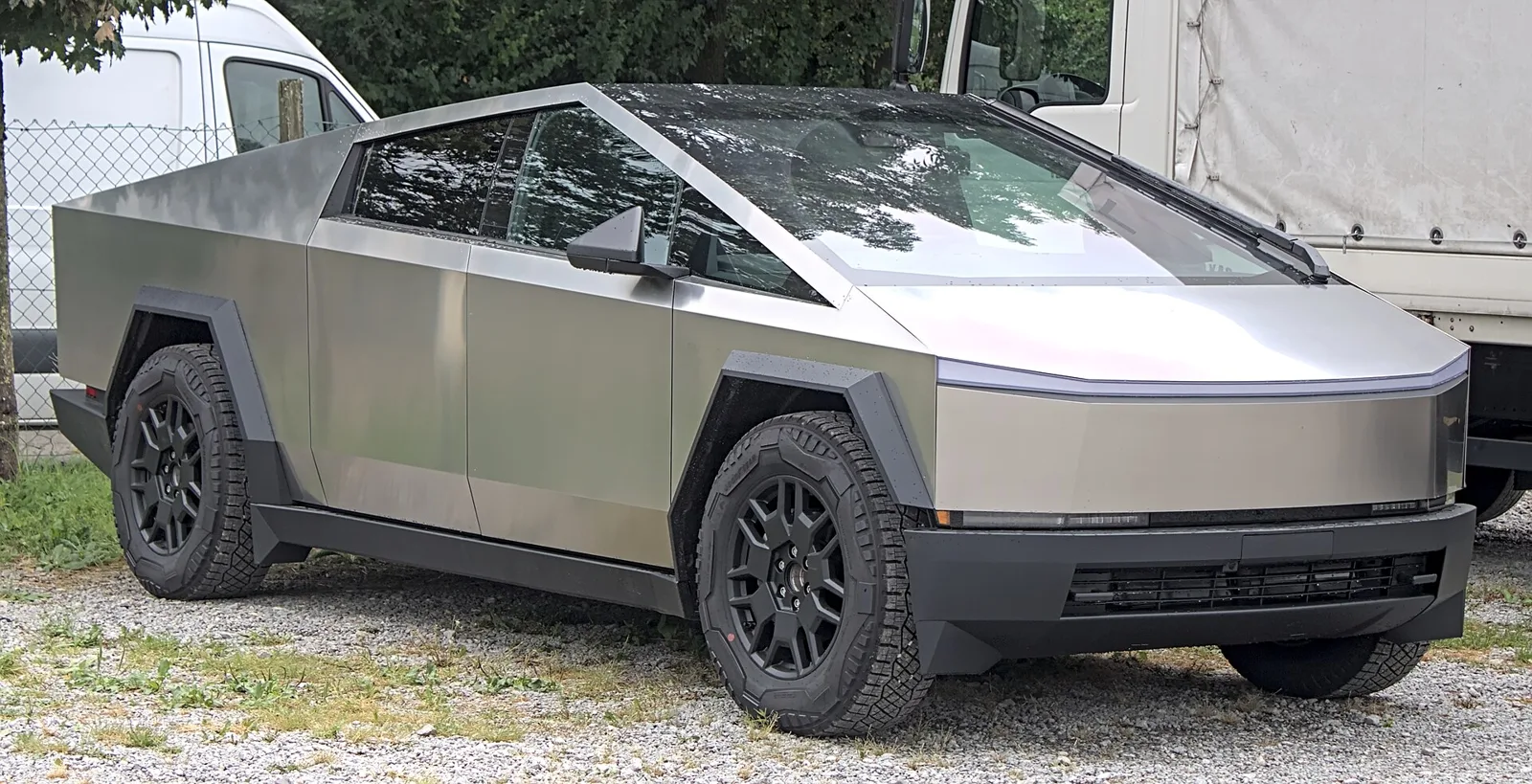
| Gigafactory 5, Texas | Travis County, near Austin | July 2020 | Model Y, Cybertruck, Cybercab, next-generation vehicle | World's largest factory by square footage |
The numbering has a wrinkle. The planned European plant was occasionally called Gigafactory 2 before that name went to the New York site, and it became Gigafactory 4 in November 2019.
Groundbreaking in January 2019; four million cars by December 2025.
Why did Tesla build its first Gigafactory in Nevada?
Speed and money. Tesla picked the Tahoe Reno Industrial Center mainly for the pace of construction and regulatory work in Nevada, and for a state incentive package estimated at $1.287 billion. At least five states competed, among them California, Arizona, New Mexico and Texas. Rail access, permission for direct sales of Tesla cars and low air humidity helped too.
The site owners gave Tesla 1,000 acres free, about 35 per cent of the 2,900 acres it needed. Within it sat $195 million of tax credits that Tesla could sell on, 20 years without sales tax and 10 years without property tax, and was projected to reach about $1.25 billion by 2034. Panasonic agreed in July 2014 to lead cell production, and the site was announced with state officials on 4 September 2014. When April 2016 revealed how many Model 3 reservations there were, Panasonic brought its plans forward and announced a $3.86 billion bond sale, most of it earmarked for the Gigafactory.
Limited production of the Powerwall home battery began in January 2016, using cells made elsewhere. The grand opening was on 29 July 2016 and mass production of cells began in January 2017. By 2019 the companies on site had invested a combined $4.9 billion, $3 billion of it from Tesla and $1.7b from Panasonic, which earned the full $195 million tax credit.
The factory that runs on its own power
Tesla intends the building to be energy self-reliant, powered by on-site solar, wind and geothermal sources. Rooftop solar passed 3.2 MW by 2021 against a preliminary goal of 24 MW, and a fully built factory could reach 70 MW from 200,000 panels. Tesla chose electricity over natural gas, using heat pumps and a hot-water store that cost $6.8 million. The factory sends 52 truck loads of auto parts a night to Tesla's car plant at Fremont, about 18,200 loads a year. Lithium comes from a mining partner at Silver Peak, 200 miles (320 km) to the south-east.
How did Tesla build the Shanghai factory so fast?
Tesla built Giga Shanghai in ten months, according to its own report on 23 October 2019, and at about 65 per cent less capital cost per unit of capacity than its US Model 3 production system. The state helped: Tesla was the only bidder for the 86-hectare site, winning a 50-year lease for 973 million yuan, and borrowed US$521 million from Chinese banks on favourable terms, plus US$82 million in grants.
The deal was unusual. It was the first time the Chinese government let a foreign automaker own a plant outright rather than run it as a joint venture. Tesla does not own the land, as is typical in China, but holds land-use rights. Shanghai set a corporate tax rate of 15 per cent for 2019 to 2023 against the usual 25 per cent, and locally built cars avoid tariffs on imports from the US. In return Tesla must invest at least 14 billion yuan (US$2 billion) and generate 2.23 billion yuan of annual tax revenue from the end of 2023.
From 1,000 cars a week to 8,000
The first 15 cars were delivered to Tesla employees on 30 December 2019, and the first to customers on 7 January 2020. Output was around 1,000 a week in early 2020. The pandemic shut the plant for about two weeks from 29 January 2020, and by the end of that year it was reaching 8,000 vehicles a week. In November 2021 it built 56,965 vehicles, with capacity nearing 700,000 a year, making it the largest Tesla factory.
A second lockdown stopped production for 22 days from 28 March 2022. The plant reopened on 19 April with one shift and 8,000 workers sleeping at the factory, and returned to normal output near the end of May. An expansion on the neighbouring site paused briefly in 2023 when Beijing voiced concerns about Musk's activities at SpaceX, in particular the military uses of Starlink.
Why does Shanghai build so many Teslas sold outside China?
Giga Shanghai is where Tesla builds the cars it ships to places with no Gigafactory nearby. By the end of 2020 some of its cars were right-hand drive for export to Australia and New Zealand. In 2021 the China Association of Automobile Manufacturers said 310,000 new energy vehicles were exported from China, half of them assembled at Giga Shanghai, mainly bound for Europe and Asia.
The Model 3 was the most popular export, according to the association's data. The main plant now makes the Model 3 and Model Y, with capacity above 750,000 vehicles a year as of July 2023. Tesla's early plan was 250,000 a year in phase one, rising to 500,000, a figure it has since passed.
What is different about Giga Berlin?
Giga Berlin is Tesla's first manufacturing site in Europe, 35 kilometres south-east of central Berlin in Gruenheide, Brandenburg. Musk announced the location on 12 November 2019, and the factory officially opened on 22 March 2022, about eight months later than the July 2021 target after administrative problems. In March 2022 the Brandenburg government granted final environmental approval.
More than ten European countries had campaigned for the plant. A French minister suggested the Fessenheim nuclear site in 2016, the Netherlands pitched its link with Tesla's European headquarters, and the Czech Republic and Portugal promoted nearby lithium. Finland, Spain and Estonia also bid, and in Lower Lusatia more than 100,000 citizens urged Tesla to build there. Brandenburg won partly because the site could expand, the state produces the most green power per citizen in Germany, and qualified workers lived nearby.
A slower ramp than planned
Model Y Performance production began on 29 April 2022. The plant hit 1,000 units a week on 17 June 2022 and 5,000 a week by 25 March 2023, then Tesla cut its weekly target to 4,350 for July and August 2023. The site employs nearly 12,000 people. In August 2024 Tesla was still planning to grow from 250,000 vehicles a year to 1 million in the long term, but those plans went on hold while market conditions stayed weak. German media reported in August 2025 that the factory had not yet reached 250,000 cars a year, half its full capacity.
The site brought its own difficulties. Tesla paid about EUR 41 million for 300 hectares at EUR 13.50 per square metre, and cleared 160 hectares of vegetation, then planted 265 hectares of mixed forest elsewhere by 2022. Seven old bombs, 85 kg in all, were blown up in a controlled detonation in January 2020. Residents and groups raised concerns about the water supply, wildlife and wastewater, and a fire in the recycling area on 26 September 2022 took 50 firefighters until close to 8 am to put out, with no injuries. Expected cost was around EUR 4 billion.
Why does Giga Texas matter?
Giga Texas, near Austin, covers more floor area than any other factory in the world and is the second-largest building by volume after the Boeing Everett Factory. Its Model Y output serves the Eastern United States, and it is the main factory for the Cybertruck and Cybercab as well as the site of Tesla's corporate headquarters.
Tesla looked at locations across eight states in 2019 and 2020. The shortlist ran to Austin, Nashville and Tulsa, and Tulsa's mayor, G. T. Bynum, campaigned with a Cybertruck photomontage and a wrap on the Golden Driller statue. Tesla chose Austin in July 2020 and construction began by the end of that month. The Del Valle school district approved a tax incentive package worth $68 million, and state incentives under the Texas Chapter 313 programme were worth about $50 million.
The first finished Model Y came off the line in late August 2021 under trial production, and deliveries began at the Cyber Rodeo party on 7 April 2022. Output reached 1,000 units a week in late June 2022 and 3,000 a week on 15 December 2022. Musk estimated in December 2021 that the factory would need an investment of at least $10B and could employ as many as 20,000 people.
Where this goes next
Nevada has the clearest expansion on paper. Tesla has announced it will give the Semi its own line there, alongside extra battery capacity that includes the 4680 cell. The new area would be able to build 100 GWh of batteries a year, enough to supply about 1.5 million light-duty vehicles. Nevada has approved tax incentives worth more than $330 million, in March 2023, in return for $3.6 billion of investment over 10 years.
Berlin's expansion is on hold. In Shanghai, local reports noted in April 2021 that preparation of a new site south of the main complex was under way, though expansion paused briefly in 2023. Texas is the home of the Cybercab and the next-generation vehicle.